China Top Automated Car Wash Machine Suppliers

China’s automated car wash equipment sector has moved from basic rollover systems toward sensor-driven, water-efficient solutions. Global market reports show why this shift matters. Grand View Research identifies automation, labor savings, and rising vehicle ownership as major growth drivers. IMARC Group also reports continued expansion in global car wash services, supported by stricter water-management expectations and convenience-focused consumers.

The China Top Automated Car Wash Machine Suppliers market includes manufacturers of gantry systems, tunnel washers, touchless units, and integrated payment platforms. However, supplier selection requires more than comparing prices. TÜV, CE, ISO 9001, and local electrical certifications can indicate controlled production processes. They do not guarantee perfect field performance. Buyers should also inspect brush materials, drying speed, wastewater recovery, spare-part availability, and software support.

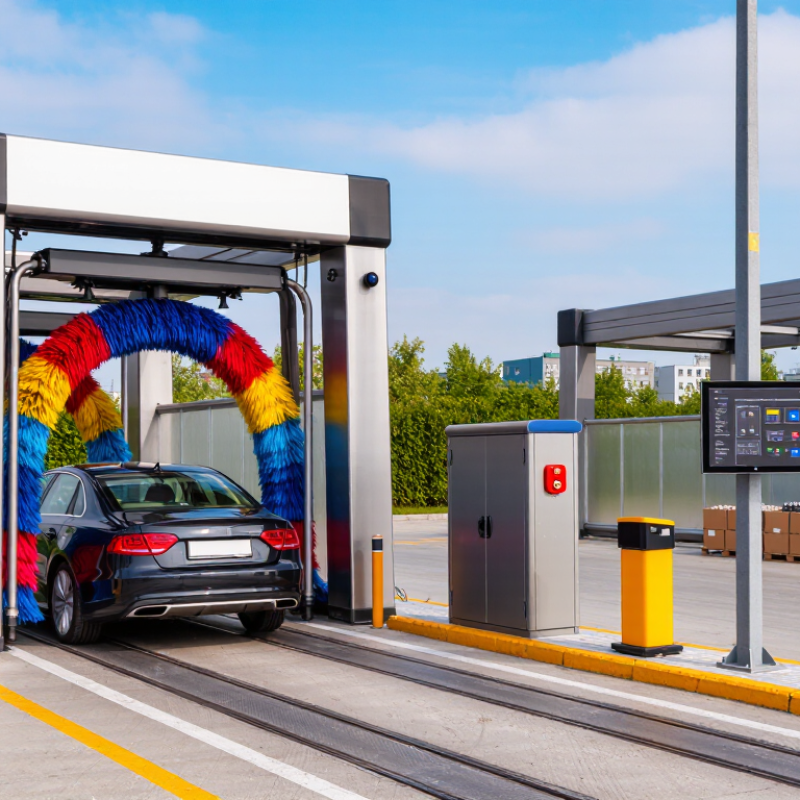
Look closely at the details. A reliable machine should detect vehicle height before the first brush moves. Its emergency stop should be clearly visible beside the control cabinet. A stainless-steel frame matters in humid coastal regions. So does remote fault reporting when a pump fails at midnight. Industry research from the International Carwash Association highlights operational efficiency, customer throughput, and water management as important performance considerations. Yet published figures vary between reports, because market definitions differ. That is worth remembering.

The best supplier is not always the largest exporter. Factory audits, reference-site visits, and maintenance records provide stronger evidence. Some catalogues look impressive. Real wash bays reveal more. This guide compares leading Chinese suppliers through technology, certifications, customization, installation experience, and long-term service reliability. Expect strengths, limitations, and a few uncomfortable gaps.
China Top Automated Car Wash Machine Suppliers

Automated Car Wash Machines: Definition and Operating Principles

Automated Car Wash Machines: Definition and Operating Principles

An automated car wash machine cleans vehicles with programmed equipment, sensors, pumps, and drying units. The vehicle enters a guided bay or conveyor lane. Position sensors then confirm its location and height. A controller starts the selected wash cycle. High-pressure jets loosen road dust, while rotating brushes or touchless nozzles remove remaining dirt. Detergent concentration, water pressure, brush speed, and drying time must stay balanced. Too much pressure can damage delicate surfaces. Too little pressure leaves grit behind.

Industry data shows why engineering matters. The International Carwash Association’s water-use research reports roughly 14 to 45 gallons of fresh water per vehicle, depending on system type and water recovery. Grand View Research has also reported steady growth in the global car wash services market, supported by automation and convenience. These figures are useful, but not universal. Local climate, vehicle size, maintenance, and reclaim quality can change results.

I have found that a clean sensor often matters more than a faster motor. That sounds simple, yet operators sometimes overlook it.

Tips: Check sensors, filters, brushes, and emergency stops every day. Test reclaimed water quality regularly. Keep a manual override ready. Automation reduces labor, but it does not remove responsibility. A poorly calibrated machine can waste water and create uneven cleaning.
Major Types of Automated Car Wash Machines in China

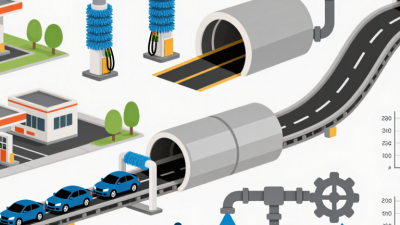
China’s automated car wash machine market includes several practical designs for different site sizes and traffic levels. Rollover machines clean one parked vehicle at a time. The washing gantry moves over the car, using brushes, foam, rinsing arches, and dryers. They suit fuel stations, dealerships, and compact urban sites.

Tunnel systems use a conveyor to move vehicles through separate washing zones. One section applies detergent, another removes dirt, and the final unit dries the body. They offer higher throughput, but require longer premises and careful vehicle spacing. Touchless systems spray high-pressure water and cleaning chemicals without physical brushes. They reduce contact risks, although stubborn mud may remain around wheel arches. In-bay automatic machines combine compact installation with programmed cleaning cycles. They are useful where space is limited. No system is perfect.

Tips: Check the maximum vehicle height, conveyor width, drying performance, and local water conditions before purchasing. Ask suppliers for maintenance schedules, spare-part availability, and verified production data. A machine may look efficient during a demonstration, yet perform differently during winter grime or heavy daily use. Test sensors and emergency stops under realistic conditions. Also inspect water-recycling equipment, because poor filtration can weaken spray pressure and increase operating costs. A quieter dryer may improve customer comfort, but it can extend the cleaning cycle. This trade-off deserves attention.

China Top Automated Car Wash Machine Suppliers – Major Types of Automated Car Wash Machines in China

The chart compares the typical throughput of major automated car wash machine types commonly used in China. Values represent approximate cars washed per hour under normal operating conditions: rollover systems generally process 8–12 cars, touchless in-bay systems 10–20, self-service bays 4–8, and tunnel systems 60–100. Actual performance varies with vehicle size, wash programs, staffing, and site layout.

Key Features of China’s Leading Car Wash Machine Suppliers

China Top Automated Car Wash Machine Suppliers

Key Features of China’s Leading Car Wash Machine Suppliers

China’s leading automated car wash machine suppliers focus on measurable performance, not only polished catalogs. Grand View Research valued the global car wash services market at about USD 30.7 billion in 2023, with steady growth expected through 2030. This demand pushes suppliers to improve pump pressure, brush control, drying speed, and equipment durability. A practical system should process vehicles consistently, even when mud covers wheel arches and door panels.

Water management is another major feature. Modern systems often combine recycling tanks, filtration units, and controlled spray cycles. The U.S. Environmental Protection Agency reports that professional car washes can use less water than home washing when recycling systems operate correctly. The qualification matters. Poorly maintained filters can reduce pressure and create cloudy rinse water. Leading suppliers therefore provide sensor-based monitoring, emergency stops, programmable logic controllers, and clear maintenance access. Short service intervals remain important.

Energy efficiency also separates experienced suppliers from low-cost manufacturers. Variable-frequency drives can reduce unnecessary pump operation, while air dryers limit towel-based finishing work. IMARC Group identifies automation, resource efficiency, and connected controls as important trends in the car wash equipment market. Yet specifications can be overly optimistic. Buyers should request factory testing records, daily throughput data, spare-parts lists, and local installation references. A machine may look impressive under showroom lighting. Real performance appears during winter grit, repeated cycles, and hurried operators.

How to Evaluate Chinese Automated Car Wash Machine Manufacturers

China Top Automated Car Wash Machine Suppliers: How to Evaluate Chinese Automated Car Wash Machine Manufacturers

Evaluating a Chinese automated car wash manufacturer requires more than comparing prices. Grand View Research valued the global car wash services market at approximately US$34.8 billion in 2023. This growth increases supplier competition, but it also hides uneven engineering quality. Request factory videos, production records, and references from installations with similar climate and water conditions. A showroom may look impressive. Real operating data matters more.

Check the machine’s wash cycle, throughput, water recovery rate, drying power, and average maintenance time. Ask for measured figures, not sales promises. For example, a supplier claiming 10 cars per hour should provide test conditions and vehicle-size limits. Review electrical drawings, safety controls, corrosion protection, and spare-parts availability. Confirm compliance documentation relevant to your destination market, including applicable machinery and electrical safety requirements. ISO 9001 certification can support process control, but it does not prove machine performance.

Use an independent inspection before shipment. Verify weld quality, sensor response, emergency stops, cable routing, and software language. IMARC’s recent car wash market analysis identifies automation and water-efficiency as major growth drivers, so both areas deserve testing. Ask the manufacturer to record water consumption during a complete cycle. The result may differ from laboratory figures. That is worth questioning. I would also request a three-month parts forecast and remote troubleshooting procedure. Some buyers focus heavily on purchase cost and later discover installation delays, unclear manuals, or expensive custom parts. A small pilot order can reveal these weaknesses before a larger investment.

Installation, Maintenance, and After-Sales Service Considerations

China Top Automated Car Wash Machine Suppliers: Installation, Maintenance, and After-Sales Service Considerations

Selecting a Chinese automated car wash machine supplier requires more than comparing equipment prices. Grand View Research valued the global car wash services market at approximately USD 32.47 billion in 2023, with continued growth expected through 2030. This expansion increases pressure on operators to reduce downtime. Installation should include a level foundation, drainage inspection, electrical-load testing, and water-pressure verification. Ask for a commissioning checklist, translated wiring diagrams, and operator training. Small details matter. A poorly aligned brush can damage vehicles and increase replacement costs.

Maintenance planning should be measurable. Suppliers should provide service intervals for brushes, pumps, sensors, belts, and chemical lines. The International Carwash Association reports that professional washes may use about 40 gallons of water per vehicle, compared with substantially higher use during driveway washing. Therefore, water-recycling systems need regular filter cleaning and quality checks. Hard water is a common weakness. It can restrict nozzles and shorten pump life. The supplier should explain spare-parts availability, remote diagnostics, and technician response times before signing.

After-sales support must be written into the contract. Require clear warranty coverage, response deadlines, training records, and escalation procedures. A practical service-level agreement might define remote assistance within 24 hours and on-site support within a stated regional timeframe. These figures are not universal. Local technician availability can differ sharply. Reports often describe market growth, but they rarely reveal the inconvenience of waiting for one small sensor. Operators should test the support process before full payment, document recurring faults, and review whether the promised service matches real performance.

China Top Automated Car Wash Machine Suppliers - Installation, Maintenance, and After-Sales Service Considerations

Evaluation Dimension Recommended Requirement Typical Industry Range Key Verification Point Operational Impact
Machine Configuration Select the machine type according to site traffic, available space, vehicle mix, and desired wash quality. 4–12 vehicles/hour for in-bay systems; 30–100+ vehicles/hour for tunnel systems Confirm rated throughput, vehicle-size limits, washing stages, drying capacity, and safety sensors. Determines revenue capacity, customer waiting time, and compatibility with the site.
Site Survey Complete a pre-installation assessment covering dimensions, drainage, water supply, electrical service, traffic flow, and local regulations. Usually completed before final layout approval Require a signed layout drawing, utility checklist, foundation requirements, and civil-work responsibilities. Reduces installation delays, redesign costs, and commissioning problems.
Installation Scope Define whether the supplier provides mechanical assembly, electrical connection, software setup, testing, and operator training. Approximately 3–15 working days on site, depending on system size and civil readiness Check installation milestones, acceptance criteria, required customer labor, and travel-cost arrangements. Clarifies project ownership and helps control the total delivered cost.
Electrical Compatibility Verify voltage, frequency, phase configuration, grounding, protection devices, and control-panel requirements before shipment. Common industrial supplies include 380–415 V, 50 Hz, three-phase systems; local confirmation is essential Request electrical diagrams, load calculations, cable specifications, and applicable conformity documents. Prevents nuisance trips, motor damage, unsafe operation, and commissioning delays.
Water and Drainage Design Provide adequate water flow, filtration, reclaim capability, floor drainage, oil separation, and wastewater handling. Water consumption commonly ranges from about 60–250 liters per vehicle, depending on reclaim and wash program Confirm flow rate, pressure, tank volume, filtration stages, water-reclaim ratio, and discharge compliance. Influences utility costs, environmental compliance, and equipment reliability.
Safety Systems Use emergency-stop devices, vehicle-position sensors, obstruction detection, guarded moving parts, and clear operating procedures. Safety functions should be tested during installation, commissioning, and scheduled inspections Request risk-assessment documentation, safety-circuit test records, warning labels, and operator training materials. Protects people, vehicles, and equipment while supporting regulatory compliance.
Preventive Maintenance Follow daily, weekly, monthly, and annual maintenance schedules based on operating hours and wash volume. Daily cleaning; weekly inspection; monthly adjustment; periodic professional servicing Confirm checklists for brushes, belts, pumps, nozzles, sensors, chemical lines, bearings, and water-treatment components. Lowers unplanned downtime and extends the service life of wear parts.
Spare Parts Availability Maintain a recommended spare-parts list for high-wear and business-critical components. Typical stock items include brushes, belts, seals, pumps, valves, sensors, fuses, and nozzles Check part numbers, compatibility, shelf life, local inventory, export packaging, and estimated replenishment time. Shortens repair cycles and reduces lost operating days.
Remote Technical Support Provide fault diagnosis through phone, email, video, or secure remote access where supported. Initial response targets commonly range from 4–24 hours Include support hours, languages, escalation contacts, troubleshooting procedures, and remote-access security controls. Improves first-response speed and may resolve software or sensor faults without travel.
On-Site Service Establish a clear process for technician dispatch, travel arrangements, labor charges, and emergency repairs. Response time depends on location; regional coverage is generally faster than cross-border dispatch Obtain service-area coverage, target arrival time, technician qualifications, and after-hours support conditions. Affects recovery time after mechanical or electrical failures.
Warranty Coverage Use a written warranty covering the machine, control system, major components, and workmanship, with exclusions clearly stated. Commercial equipment warranties commonly cover about 12–24 months, subject to contract terms Verify start date, claim procedure, covered labor and freight, consumable exclusions, and warranty transfer conditions. Reduces financial exposure during the early operating period.
Training and Documentation Supply operation manuals, maintenance schedules, electrical drawings, parts catalogs, safety instructions, and training records. Operator training should be completed before commercial operation Confirm document language, revision control, password policy, training duration, and competency sign-off. Supports consistent operation and reduces avoidable user errors.
Commissioning and Acceptance Use a formal acceptance test covering throughput, wash performance, drying, chemical dosing, safety functions, leaks, noise, and fault recovery. Acceptance should be completed after installation and before final handover Record test results, outstanding defects, corrective deadlines, spare-parts handover, and final training completion. Creates an objective baseline for warranty claims and future performance reviews.

Note: The ranges shown are general planning benchmarks for commercial automated car wash projects. Actual requirements vary by machine configuration, vehicle volume, site conditions, local utility standards, and applicable regulations.