7 Best Car Wash Machines for Business Buyers in 2026

Choosing the right Car Wash Machine For Business can shape daily revenue, customer loyalty, and operating costs. In 2026, buyers face more than a simple choice between tunnel, touchless, and self-service systems. They must examine wash volume, site layout, water availability, labor needs, maintenance access, and local environmental requirements.

Eric Wulf, a longtime International Carwash Association executive, once said, “Professional car washing is about more than clean cars; it is about delivering a consistent customer experience.” That idea remains practical. A machine may promise impressive speed, yet poor drying, frequent downtime, or complicated controls can damage the customer experience. Small details matter. A blocked spray nozzle matters. So does a cold payment terminal on a busy morning.

This guide reviews seven strong car wash machines for business buyers in 2026. Each option is considered through real operating conditions, including throughput, cleaning performance, water efficiency, installation demands, safety features, and after-sales support. Some machines suit high-volume express sites. Others fit compact facilities with limited staffing. No model is perfect.

A reliable system should clean consistently without creating unnecessary repair pressure. Buyers should also question optimistic return-on-investment claims. Local traffic may be seasonal. Utility costs can change. Staff training is often underestimated. The best purchase is not always the most powerful machine. It is the system that matches the site, budget, vehicle mix, and long-term maintenance capacity. Careful comparison can prevent an expensive mistake.
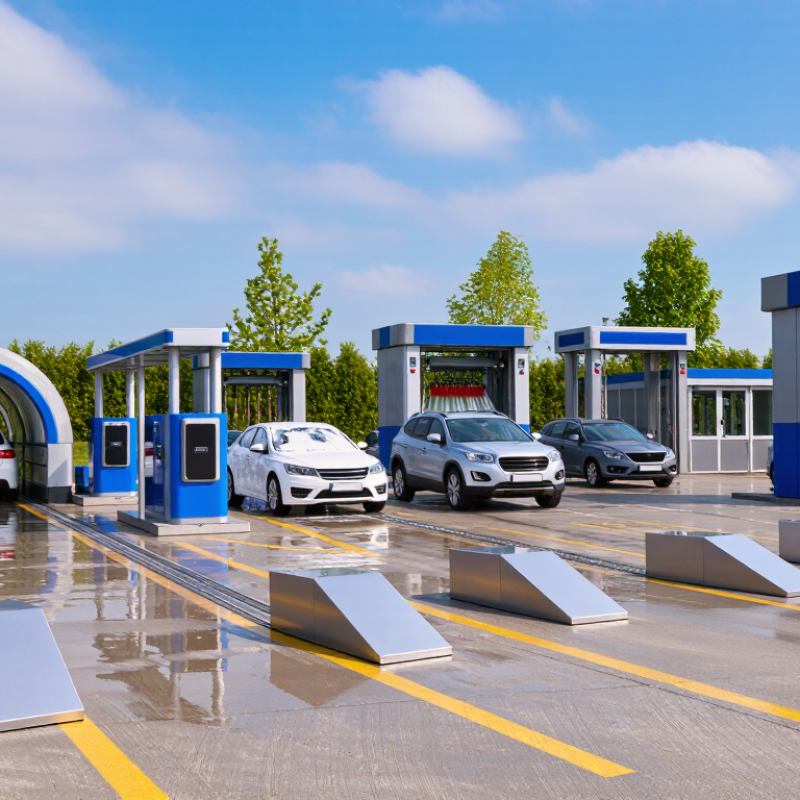
7 Best Car Wash Machines for Business Buyers in 2026

What Business Buyers Should Know Before Choosing a Car Wash Machine

Choosing among the seven best car wash machines starts with the site, not a glossy feature list. Measure bay length, drainage, electrical capacity, water pressure, and peak vehicle flow. A machine rated for 20 cars hourly may perform poorly when mud, cold water, or staff delays enter the process. Real throughput is lower. Leave room for error.

Ask for documented cycle times, power consumption, noise levels, and maintenance intervals. Compare purchase price with installation, detergents, filters, water treatment, labor, and parts. Water reclamation can reduce usage, but tanks need cleaning and testing. A cheaper system may become expensive after repeated pump repairs. Review warranty terms carefully. Confirm who responds locally, how quickly parts ship, and whether technicians train your staff. Request references from similar climates and workloads.

Safety deserves practical attention. Look for emergency stops, guarded moving components, clear operator controls, and accessible shutoffs. Check whether the system fits your local building and environmental requirements. Do not rely on sales estimates alone; run a site-specific cost model using your busiest hour. I would also test a live demonstration with a heavily soiled vehicle. Clean results can look impressive on a showroom car. That is where my judgment can fail. Record water use, drying quality, downtime, and customer queue length before committing.

How Different Car Wash Machine Types Serve Business Needs

Choosing a car wash machine starts with traffic, not appearance. The 2024 International Carwash Association U.S. Consumer Study indicates that professional washing remains a mainstream habit. More than seven in ten surveyed drivers reported recent professional use. That demand rewards reliable throughput. It does not justify buying the largest system.

In-bay automatic machines suit compact sites with limited staffing and moderate traffic. Vehicles enter one bay, while the machine washes, rinses, and dries them. Tunnel systems serve busy locations needing faster vehicle movement and higher hourly capacity. Self-service bays offer lower equipment complexity and customer control. They can work near residential areas, where drivers prefer flexible washing times. Mobile units provide convenience, but water storage, power access, and weather create operational limits. The neat spreadsheet can still mislead.

Water and labor costs deserve equal attention. The International Carwash Association’s water-conservation research shows that reclaim systems can significantly reduce fresh-water demand compared with once-through washing. Grand View Research’s 2024 market report projected the global car wash services market to grow at roughly 3.4% annually through 2030. That growth supports investment, but forecast numbers are not a site plan. Measure peak-hour demand, drainage capacity, electrical load, maintenance access, and average ticket value before choosing equipment. A tunnel may produce impressive volume, yet a poorly matched site can turn speed into wasted capacity. In practice, the best machine is often the one operators can maintain consistently.

7 Best Car Wash Machines for Business Buyers in 2026 - How Different Car Wash Machine Types Serve Business Needs

Rank & Machine Type Typical Throughput Typical Cycle or Service Time Approximate Equipment Footprint Water Use per Vehicle Best Business Need Main Advantages Important Limitations
1. Conveyor Tunnel System
High-volume automated wash
Approximately 80–160 vehicles per hour, depending on conveyor spacing and wash package About 3–7 minutes through the equipment; total customer time is usually longer during queuing Usually 100–180 ft long, excluding queuing, office, and drying areas Approximately 35–70 gallons with reclaim; often higher without water recycling Busy urban sites, fuel stations, dedicated express-wash locations, and membership businesses Highest potential volume, consistent processing, strong subscription compatibility, and multiple upsell options Requires substantial real estate, drainage, traffic planning, construction work, and higher capital investment
2. In-Bay Automatic Friction System
Brush or soft-cloth rollover machine
Approximately 8–15 vehicles per hour About 5–8 minutes per wash, excluding payment and queue time Typically 30–45 ft long and 14–18 ft wide inside the wash bay Approximately 25–45 gallons, depending on pressure, rinse settings, and reclaim use Existing fuel stations, convenience stores, dealerships, and sites with moderate traffic Lower space requirement than a tunnel, familiar cleaning action, and attractive upgrade packages Lower capacity than a tunnel; brushes or cloth require regular cleaning and replacement to reduce contamination risk
3. In-Bay Automatic Touchless System
High-pressure, no-contact wash
Approximately 6–12 vehicles per hour About 6–10 minutes per wash Typically 30–45 ft long and 14–18 ft wide inside the wash bay Approximately 35–60 gallons, with usage affected by pressure and rinse duration Businesses prioritizing reduced contact, premium positioning, or compatibility with delicate vehicle finishes No brushes contacting the vehicle, flexible wash programs, and suitability for many vehicle shapes May remove heavy road film less effectively than friction equipment; higher pump pressure and drying performance are important
4. Self-Service Pressure-Wash Bay
Customer-operated wash equipment
Approximately 4–10 vehicles per bay per hour, depending on customer behavior Usually 8–15 minutes per customer session Each bay commonly requires about 300–450 sq. ft., excluding circulation and utility areas Approximately 15–50 gallons per session, depending on selected functions and operating time Markets with price-sensitive customers, rural locations, fleet users, and sites needing flexible service options Lower labor requirement, flexible customer control, multiple payment options, and relatively simple service packages Revenue depends on customer participation; weather exposure, vandalism, and bay maintenance must be managed
5. Steam Cleaning System
Low-water interior and exterior cleaning
Approximately 2–6 vehicles per hour per operator, depending on service scope About 20–60 minutes for a combined cleaning service Roughly 40–100 sq. ft. for a mobile or compact stationary setup, excluding vehicle working space Approximately 0.5–2 gallons per vehicle for steam-focused cleaning Mobile detailers, offices, parking facilities, water-restricted regions, and premium detailing services Very low water consumption, strong interior-cleaning capability, and mobile service flexibility Low throughput, operator-dependent results, ventilation requirements, and limited suitability for heavily soiled vehicles
6. Mobile Pressure-Wash Trailer or Van System
On-site professional washing
Approximately 3–8 vehicles per hour, depending on vehicle size and service level About 15–40 minutes per vehicle Equipment occupies roughly 60–150 sq. ft. inside a trailer or service vehicle Approximately 10–40 gallons per vehicle when equipped with controlled-flow tools and recovery equipment Fleet contracts, office parks, apartment communities, rental vehicles, and customer-at-home services No permanent wash building, direct access to commercial customers, and flexible route-based operations Travel time reduces productivity; local wastewater-discharge rules, water supply, weather, and vehicle capacity affect operations
7. Fleet or Truck-Wash System
Heavy-duty commercial vehicle washing
Approximately 3–12 vehicles per hour, depending on vehicle size and automation level About 10–30 minutes per vehicle Usually 60–150 ft long, with added clearance for high-roof trucks, buses, or trailers Approximately 80–200 gallons per vehicle; reclaim systems can substantially reduce fresh-water demand Logistics depots, bus operators, municipal fleets, construction companies, and commercial wash contractors Handles large vehicles, supports recurring fleet contracts, and can be configured for specialized cleaning chemicals Large site and drainage requirements, higher utility demand, specialized wastewater compliance, and narrower customer market

Planning note: Throughput, footprint, water consumption, and cycle times are typical planning ranges rather than guaranteed specifications. Actual performance varies with equipment configuration, vehicle size, site layout, local regulations, water-reclaim technology, and operator practices.

Seven Top Car Wash Machines for Business Buyers in 2026

Seven Top Car Wash Machines for Business Buyers in 2026 should be judged by site traffic, labor costs, water use, and serviceability. Grand View Research estimated the global car wash services market at about USD 34.6 billion in 2023. It also projects a 5.5% annual growth rate through 2030. Demand is growing, but equipment mistakes remain expensive.

A rollover automatic machine suits compact sites with moderate traffic. A touchless automatic unit protects delicate finishes and reaches narrow gaps.

A friction automatic system can deliver stronger cleaning on road film. A conveyor tunnel machine handles high volume, especially near busy retail zones.

A self-service bay system gives customers control and lowers staffing pressure. High-pressure wash equipment fits fleet yards, workshops, and pre-wash areas.

A commercial steam machine uses heat for interiors, wheels, and spot treatment.

Water matters.

The International Carwash Association reports that professional washes can use water more efficiently than home washing, particularly with reclamation systems. Buyers should compare gallons per vehicle, recovery rates, pump pressure, drying time, and routine maintenance hours.

Look closely at winter protection and drainage design. A cheap machine may become costly when seals, hoses, or sensors fail.

I would test a full vehicle before signing. Watch the door mirrors. Check the floor afterward. A machine that looks fast in a brochure may create queues during peak hours. Energy ratings also deserve attention, although published figures can be difficult to compare. Ask for measured field data, not optimistic estimates. The best choice is rarely the most powerful machine; it is the one operators can maintain every day.

How to Compare Features, Costs, Capacity, and Space Requirements

Choosing the best car wash machine for business buyers in 2026 requires more than comparing purchase prices. Compare output, water use, labor, maintenance access, and site dimensions together. The International Carwash Association reports that professional facilities use about 43 gallons of water per vehicle, compared with roughly 116 gallons at home. Equipment with water reclamation may reduce freshwater demand significantly, but actual savings depend on soil levels, reclaim quality, and operator habits.

Capacity must match your peak hour, not your quiet Tuesday. A machine rated for 80 cars hourly may slow when staff, payment systems, or drying stages create bottlenecks. Measure the building carefully. Include vehicle queue lanes, drainage, electrical panels, chemical storage, and service clearance. Energy costs also matter. The U.S. Energy Information Administration tracks commercial electricity prices by region, and regional differences can change operating costs sharply. A cheaper machine may become expensive after installation.

Tips: Build a simple five-year model. Add equipment, construction, water, electricity, labor, repairs, and downtime. Ask suppliers for verified cycle times and water figures. Visit an operating site. Watch the line during its busiest hour. I would not trust brochure capacity alone. That assumption can fail. Leave space for filters, hoses, and technicians; cramped service areas create delays and unsafe work conditions. Some buyers overlook drainage design. That mistake is costly to correct.

How to Purchase, Install, and Maintain a Commercial Car Wash Machine

Choosing one of the 7 best car wash machines for business use starts with your site, not the machine’s appearance. Measure vehicle height, bay width, drainage capacity, water pressure, and available electrical power. A compact automatic unit may suit a busy urban site, while a larger system may need stronger foundations and wider access. Ask suppliers for verified flow rates, energy use, warranty terms, spare-part availability, and technician response times. A low purchase price can become expensive when essential parts are difficult to source.

Installation should follow the equipment manual and local safety requirements. Use qualified electrical and plumbing professionals, especially for high-voltage connections, water treatment, and emergency shutoff systems. Keep clear service space around pumps, control panels, and drying equipment. Before opening, test pressure, spray coverage, sensors, drainage, and payment controls. Experienced operators know that a clean installation can still hide poor calibration. That assumption is easy to regret.

Tips: Create a weekly maintenance checklist. Inspect hoses for cracks, clean spray nozzles, and remove debris from filters. Check unusual vibration early; it may signal a loose mount or worn bearing. Record water and electricity use each month. These figures reveal gradual performance changes. Train every employee to stop the machine safely. Leave room for improvement, because the first maintenance schedule is rarely perfect.

Commercial Car Wash Machine Benchmarks for Business Buyers in 2026

Representative operating values for common commercial wash-machine formats

Conveyor tunnel systems generally provide the highest vehicle throughput, while self-service bays require lower capital investment but process fewer vehicles per hour. Freshwater consumption varies with spray pressure, wash-cycle settings, reclaim systems, and local operating practices. The figures shown are typical planning benchmarks rather than guaranteed machine performance.