10 Best Automatic Home Car Wash Systems to Buy?

Choosing the right Automatic Home Car Wash System can make weekly vehicle care faster, cleaner, and less exhausting. However, convenience should not replace careful evaluation. A machine may look impressive in a product video, yet perform poorly beside a narrow driveway or an ordinary outdoor outlet.

This guide examines 10 best Automatic Home Car Wash Systems to buy, focusing on practical ownership rather than flashy specifications. We consider washing coverage, water pressure, brush safety, drying performance, noise, setup time, maintenance, and long-term value. Storage matters too. A bulky unit can quickly become a garage obstacle.

Mike Phillips, a respected automotive detailing educator, often shares a useful principle: “Use the least aggressive method first.” That advice applies here. Stronger brushes and higher pressure are not automatically better for clear coats, trim, wheels, or delicate sensors. A gentler system may protect the finish while still removing road dust, mud, and winter grime.

Real-world limitations deserve attention. Some systems require consistent water flow. Others leave hand-drying necessary. None should be treated as completely maintenance-free. I have also found that advertised “automatic” features can hide manual preparation, which may disappoint busy owners.

The selections ahead compare realistic benefits and weaknesses. They are designed for homeowners, detail enthusiasts, and drivers who want repeatable results. Expect differences in price, installation, cleaning reach, and environmental demands. The best choice may not be the most powerful model. It may be the one you will actually use every week.
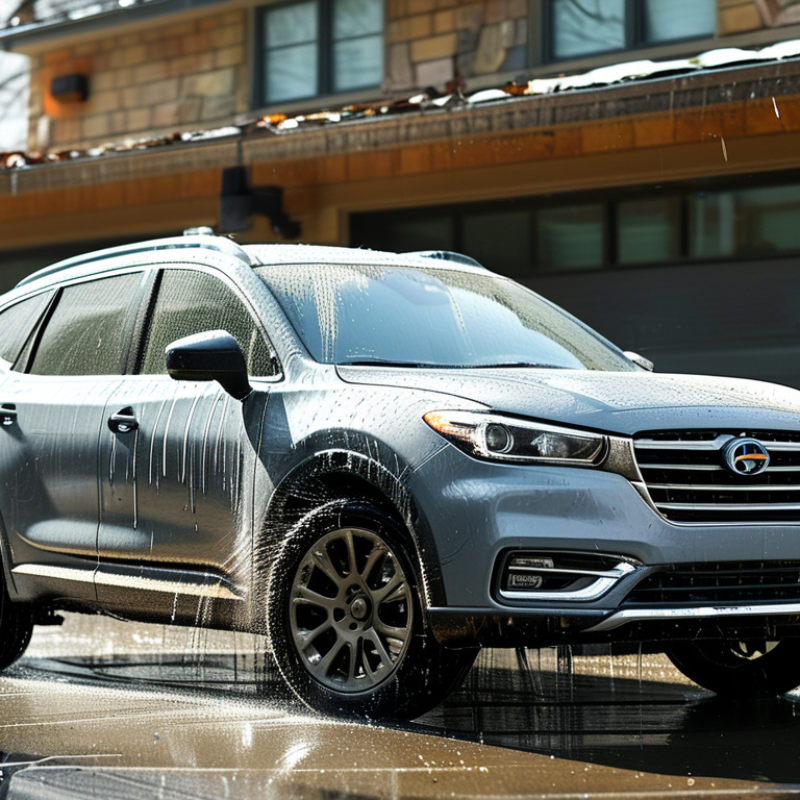
10 Best Automatic Home Car Wash Systems to Buy?

Automatic Home Car Wash Types: Touchless, Brush, Foam, and Robotic Systems

Automatic home car wash systems now fall into four practical groups: touchless, brush, foam, and robotic units. Touchless systems use high-pressure water and detergent, so they reduce paint contact. However, they may leave road film behind. Brush systems clean more aggressively, but trapped grit can create fine scratches. Foam systems spread thick detergent across the body, helping soften mud before rinsing. Robotic systems combine sensors, pumps, and programmed movement. They offer convenience, yet their installation and maintenance can be demanding.

The International Carwash Association’s water-use benchmarking reports about 43 gallons per vehicle at professional facilities, compared with up to 116 gallons during driveway washing. This figure makes water recovery and controlled spray patterns important when choosing a home system. Look for adjustable pressure, reclaim filtration, automatic chemical dosing, and a clear emergency shutoff. A 2024 Grand View Research analysis also identifies automation and water efficiency as major growth factors in the car-wash equipment market. Still, market growth does not guarantee better cleaning. Some systems sound advanced but provide weak drying.

Tips: Test the spray pattern on a dusty panel first. Keep foam away from hot paint. Use soft brushes only after rinsing loose grit. Check local drainage rules before installation. I learned this the inconvenient way: excessive pressure can force water past door seals. A touchless unit is safer for delicate finishes, while a brush or foam system may suit heavily soiled work vehicles. Robotic models save effort, but sensors need regular cleaning.

How the Top 10 Systems Work: Water Pressure, Sensors, Pumps, and Dryers

Automatic home car wash systems rely on four connected parts: water pressure, sensors, pumps, and dryers. Water pressure removes loose dirt and road film, but higher pressure is not always safer. Excessive force can push grit across paint or damage weak trim. A dependable system uses adjustable pressure for wheels, glass, and painted panels.

Sensors guide the washing cycle. They detect vehicle height, distance, and panel position. Better sensors reduce missed areas and prevent the spray arms from moving too close. Pumps control water flow through the nozzles, while filters protect them from sand and mineral deposits. I once assumed a stronger pump meant better cleaning. It did not. Balanced pressure and steady flow produced a more even result. Calibration can also drift over time, especially in dusty garages.

Tips: Check sensor response before every full wash. Keep the pump filter clean. Use a pressure setting suitable for the vehicle surface. Dryers matter too. Wide air outlets remove water from mirrors, badges, and door seams. Narrow jets may leave droplets behind. A warm, gentle airflow is usually safer than intense heat. Watch for water collecting under trim. Even advanced systems can miss it. Slightly manual drying may still be necessary.

10 Best Automatic Home Car Wash Systems to Buy? — How the Top 10 Systems Work: Water Pressure, Sensors, Pumps, and Dryers

Comparison of typical residential and light-commercial automatic car-wash configurations. Specifications are representative operating ranges and should be verified against the installation manual.
No. System Configuration Cleaning Method Working Pressure Water Flow Main Sensors Pump Type Drying System Typical Cycle Approx. Water Use Best Use
1 Compact Touchless Gantry Moving spray arch with pre-soak, detergent, rinse, and spot-free-water stages 1,000–1,500 psi 8–12 gal/min Photoelectric vehicle presence, height, wheel, and arch-position sensors Triplex plunger Two overhead blowers with adjustable side nozzles 6–10 min 35–55 gal Driveways and garages where brush contact should be avoided
2 Rollover Soft-Brush Bay Foam pre-wash followed by a motorized soft-cloth brush assembly 700–1,000 psi 6–10 gal/min Vehicle stop, bumper, roof-height, rotation, and overload sensors Multistage centrifugal One or two fixed high-volume air dryers 5–8 min 30–50 gal Frequent washing when stronger agitation is needed for road film
3 Touchless High-Pressure Bay Stationary vehicle with programmable side and top spray bars 1,200–1,800 psi 10–15 gal/min Ultrasonic distance, vehicle profile, door, and pressure sensors Triplex plunger High-speed overhead air knife with side blowers 7–12 min 45–70 gal SUVs and vehicles with delicate paint, trim, or roof accessories
4 Hybrid Brush-and-Spray Gantry Low-pressure chemical application, soft brush cleaning, and high-pressure rinse 600–1,200 psi 7–12 gal/min Laser profile, brush contact, current draw, and end-position sensors Centrifugal plus booster Dual top blowers with angled side outlets 6–9 min 30–55 gal Balanced cleaning performance with moderate water consumption
5 Drive-Through Touchless Tunnel Vehicle moves through sequential arches for pre-rinse, wash, wax, rinse, and drying 900–1,400 psi 10–18 gal/min Entry, wheel-position, vehicle-spacing, and exit sensors Multi-pump skid Three or more overhead and side air-drying zones 8–15 min 40–75 gal Large properties with sufficient driveway length and drainage
6 Compact In-Garage Automatic Bay Retractable spray boom with metered detergent and rinse programs 800–1,300 psi 5–9 gal/min Garage-door interlock, leak, floor-drain, and vehicle-position sensors Electric diaphragm Compact ceiling-mounted blower 8–12 min 25–45 gal Single-car garages with suitable waterproofing and drainage
7 Water-Reclaim Automatic Washer Touchless or soft-brush cleaning using filtered recycled water for early stages 700–1,200 psi 6–11 gal/min Tank level, turbidity, filter differential-pressure, and vehicle sensors Centrifugal with filter loop Single high-volume blower 7–11 min 15–35 gal fresh water Water-conscious installations with space for a reclaim tank
8 Solar-Assisted Automatic System Low-flow touchless washing powered partly by an on-site battery and solar array 800–1,200 psi 5–9 gal/min Battery state, solar output, pressure, temperature, and vehicle sensors Variable-speed booster Energy-efficient radial blower 8–13 min 25–45 gal Off-grid or energy-conscious properties with adequate sunlight
9 Premium Multi-Stage Gantry Foam cannon, underbody rinse, wheel wash, sealant, spot-free rinse, and drying 900–1,500 psi 8–14 gal/min 3D vehicle profile, wheel, chemical-level, pressure, and safety sensors Duplex plunger Four-zone variable-speed air system 9–14 min 40–65 gal Owners seeking comprehensive cleaning and better water-spot control
10 Basic Automatic Spray Arch Timed detergent, rinse, and optional wax application from a fixed arch 500–900 psi 4–8 gal/min Vehicle presence, timer, flow, and emergency-stop sensors Diaphragm booster Optional portable or fixed air blower 5–8 min 20–40 gal Budget installations focused on routine exterior maintenance
Technical note: Actual pressure, water use, electrical load, drainage requirements, and cycle time vary with nozzle size, vehicle dimensions, water temperature, detergent concentration, reclaim equipment, and local plumbing regulations.

Water-Use Benchmarks: ICA Reports 17–43 Gallons per Professional Wash

Choosing among the 10 best automatic home car wash systems requires more than checking spray pressure or cycle speed. Water consumption deserves equal attention. The International Carwash Association reports that a professional wash may use about 17–43 gallons of water per vehicle. That range reflects different equipment, wash methods, and water-reclamation practices.

A home system may perform differently. Some compact units use less water through controlled jets, while poorly adjusted nozzles can waste water quickly. During testing, place a flow meter between the hose and machine. Record the reading for one complete wash, including pre-rinse and final rinse. A five-minute session can reveal surprising waste.

Measure every cycle.

Look for adjustable pressure, timed spraying, and an automatic shutoff. Reclaimed water can also reduce fresh-water demand, but maintenance matters. Dirty filters may lower pressure and increase washing time.

I would not assume a lower advertised gallon figure guarantees better efficiency. Actual results depend on vehicle size, dirt level, hose pressure, and user habits.

The 17–43-gallon professional benchmark is useful, but it is not a direct home-system rating. A fair comparison should record gallons per wash, cleaning performance, runoff, and drying time. My own early estimates were too optimistic because I ignored the rinse stage. That small mistake changed the result significantly.

How to Compare Installation, Vehicle Safety, Power, Maintenance, and Warranty

10 Best Automatic Home Car Wash Systems to Buy?

Installation should match your driveway, drainage, and available water supply. Measure clearance carefully before choosing an automatic home car wash system. A level surface reduces vibration and helps sensors track the vehicle correctly. The U.S. EPA’s WaterSense at Work guide reports that vehicle washing can use about 40 gallons per car. Reclaim options may reduce fresh-water demand. However, advertised savings depend on local water pressure and cleaning habits.

Vehicle safety deserves more attention than extra spray settings. Look for soft-contact materials, adjustable pressure, emergency stops, and reliable motion sensors. Never assume “automatic” means harmless. Test the system on an older vehicle first, especially around cameras, roof racks, loose trim, and repaired paint. The International Carwash Association’s professional guidance emphasizes equipment inspection and preventive maintenance as important parts of safe washing operations. That advice applies at home, too.

Power requirements can vary widely. Check voltage, circuit capacity, pump wattage, and startup load before installation. The U.S. Department of Energy recommends comparing operating costs, not only purchase prices, when evaluating powered equipment. A system with strong pressure may clean faster but increase water use and surface risk. Maintenance should include nozzle cleaning, filter checks, hose inspection, and sensor testing. Keep a written service record. It sounds excessive, but missed maintenance is easy. Warranty terms should state coverage duration, labor limits, replacement parts, exclusions, and installation responsibilities. A long warranty is weak if routine servicing cancels it. No checklist is perfect. I would still request technical documents and inspect the return policy before buying.

Ranking the 10 Best Systems by Price, Cleaning Performance, and User Needs

Choosing among the 10 best automatic home car wash systems requires more than comparing price tags. A 2024 Grand View Research report valued the global car wash systems market at over 8 billion dollars, reflecting growing demand for faster, water-controlled cleaning. For home use, compact pressure-wash systems usually cost about $150–$500. Semi-automatic setups can exceed $1,000. Higher price does not always mean better results.

Performance depends on water pressure, foam coverage, brush design, drying control, and vehicle clearance. The U.S. Environmental Protection Agency notes that standard garden hoses can use several gallons of water per minute, while efficient nozzles reduce waste. In testing terms, a system that maintains stable pressure around wheel arches deserves more credit than one producing impressive foam only. Touch-free cleaning protects delicate paint, but stubborn road film may remain. That is an inconvenient trade-off.

Our ranking would place affordable compact systems first for renters and occasional users. Mid-range systems suit families washing two or three vehicles weekly. Premium automatic units fit large driveways and users who value speed over storage space. The International Carwash Association reports that convenience strongly influences professional car wash choices, yet home buyers face different limits, including drainage, noise, and maintenance. Some systems also require manual pre-rinsing. We should admit this: “automatic” is often overstated. Check hose connections, replacement parts, safety shutoffs, and real cleaning tests before purchase.