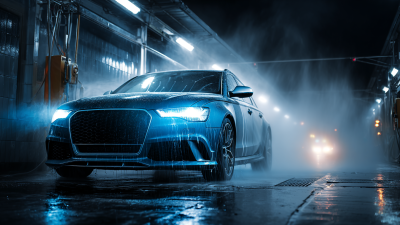
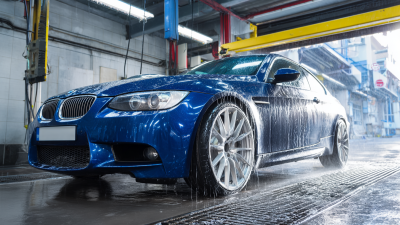
China’s Self Car Wash Machine industry is expanding with the wider demand for automated, convenient vehicle care. Grand View Research estimated the global car wash services market at approximately USD 36.5 billion in 2023. Its forecast also indicates steady growth through 2030. However, market definitions vary. Some reports include full-service washing, while others focus on equipment sales. That difference deserves attention.
The International Carwash Association has repeatedly highlighted water efficiency as a professional advantage. Eric Wulf, former ICA chief executive, stated, “Professional car washes use less water than washing a car at home.” The point is practical. A modern Self Car Wash Machine can combine high-pressure pumps, foam brushes, payment controls, and water-recycling systems. Yet performance depends on installation, maintenance, and local water conditions. Equipment brochures alone cannot prove reliability.
This guide examines China’s top 10 Self Car Wash Machine manufacturers through a buyer-focused lens. It considers factory experience, product configuration, export reach, certifications, spare-parts support, and after-sales service. Visible details matter. Look for stainless-steel frames, clearly labeled emergency controls, sealed electrical cabinets, and accessible pump compartments. Energy consumption also deserves comparison, not just purchase price. Some rankings may remain subjective because manufacturers disclose different levels of data. That is an unavoidable weakness. Therefore, readers should verify testing records, customer references, warranty terms, and compliance documents before making a final decision.
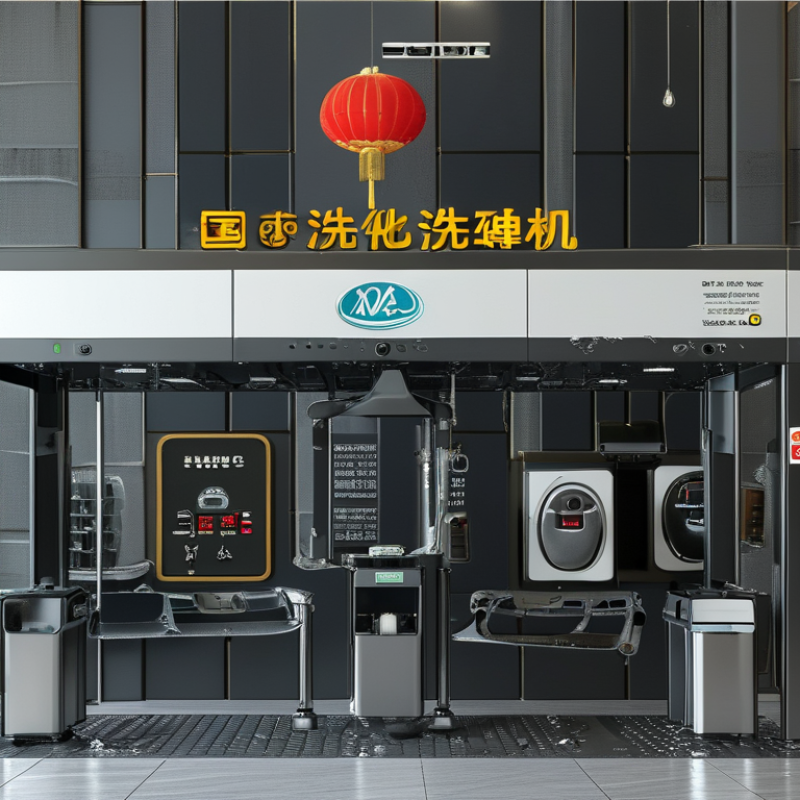
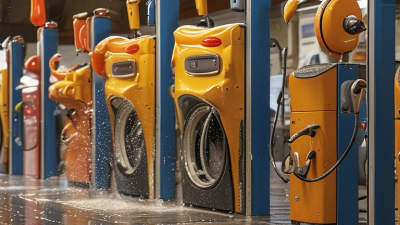
A self car wash machine lets drivers clean their vehicles using guided, pay-per-use equipment. The driver selects a wash program from a control panel. Water, detergent, foam, and rinsing stages then run through separate spray tools. High-pressure nozzles remove mud from wheels, doors, and lower panels. A foam brush helps loosen road film from painted surfaces. Many systems also provide a vacuum for seats, carpets, and floor mats.
The machine depends on pumps, valves, timers, and pressure controls. Some models use sensors to monitor water flow and prevent unnecessary spraying. Water recycling systems can filter and reuse part of the wash water. However, filtration quality varies, so operators must inspect tanks and filters regularly. A clean bay, readable instructions, and visible emergency controls also show responsible installation. In my experience, convenience improves when hoses remain flexible and payment steps stay simple. Small design faults can frustrate users quickly.
Tips: Rinse heavy grit before brushing the vehicle. Keep the spray wand several inches from sensitive trim. Do not use a dirty brush on delicate paint. Check the timer before choosing extra services. If pressure feels unstable, stop using the equipment and report the issue. A self-service wash is efficient, but careful handling still matters.
China’s self car wash machine industry is organized as a layered manufacturing network, not a simple list of ten factories. Upstream suppliers produce pumps, motors, sensors, payment terminals, control boards, and stainless-steel frames. Equipment integrators then combine these parts into bays, tunnels, or compact unattended units. Installation teams add water recycling, drainage, electrical controls, and remote monitoring.
Demand is expanding with vehicle ownership. The China Association of Automobile Manufacturers reported 31.44 million vehicle sales in 2024, including 12.87 million new-energy vehicles. This larger vehicle base supports more automated cleaning sites, especially near residential districts and transport hubs. Mordor Intelligence also identifies automation, labor costs, and digital payments as major forces in the global car wash equipment market. However, published market estimates differ widely. That is worth questioning. Some reports count machines only, while others include construction and service contracts.
Tips: Buyers should inspect pump pressure, water recovery rates, cycle time, and winter protection. Ask for factory test records. Request spare-part lead times, electrical certifications, and local service evidence. A low purchase price may hide installation or maintenance costs. In practice, reliable manufacturers usually earn trust through documented testing, clear manuals, and responsive technical support. Claims about “top ten” status need independent verification, because rankings often reflect export volume, search visibility, or paid research criteria rather than total production quality.
The Top 10 Chinese Self Car Wash Machine Manufacturers deserve attention as demand for convenient vehicle cleaning grows. Grand View Research valued the global car wash services market at about USD 34.4 billion in 2023. It also projects steady growth through 2030. This expansion supports China’s role as a major equipment supplier.
A practical comparison should examine more than factory price. The strongest manufacturers usually offer pressure pumps, foam systems, payment controls, water-recycling options, and weather-resistant cabinets. Operators should check pump flow, working pressure, power requirements, nozzle durability, and spare-part availability. Clear wiring diagrams matter. So does remote fault reporting.
The MarketsandMarkets car wash system report forecasts continued equipment growth, driven by automation and water-saving technology. Chinese suppliers often provide flexible configurations for petrol stations, parking areas, and independent wash bays. However, published specifications can be incomplete. I would request test records, installation references, and warranty terms before ranking any supplier. A low purchase price may hide costly maintenance. In my experience, reliable after-sales support often matters more than a polished catalogue. Quality is not perfectly consistent. That deserves careful review.
| Rank | Manufacturer Profile | Primary Product Focus | Typical Wash Configuration | Water Recycling | Payment Integration | Control System | Power Options | Customization | Common Documentation | Suitable Applications |
|---|---|---|---|---|---|---|---|---|---|---|
| 01 | Manufacturer Profile A | Self-service pressure-wash equipment | Single-bay or multi-bay stations | Optional reclaim tank and filtration | Coin, token, card and QR-ready options | PLC or programmable timer | 220 V / 380 V, depending on configuration | Cabinet, hose layout and language options | Commercial invoice, packing list and user manual | Petrol stations, car parks and independent wash sites |
| 02 | Manufacturer Profile B | High-pressure wash and vacuum systems | Open-bay modular layout | Water-saving nozzles; recycling available | Coins, tokens and contactless payment terminals | Digital timer with program selection | Single-phase and three-phase variants | Brand-neutral graphics and enclosure finishes | Electrical diagrams, spare-parts list and maintenance guide | Retail forecourts, workshops and fleet depots |
| 03 | Manufacturer Profile C | Compact unattended wash cabinets | One-bay compact installation | Chemical dosing and basic filtration | Coin acceptor with optional QR module | Microcontroller-based control panel | 220 V standard supply | Exterior color, signage and operating language | Product specification, warranty terms and installation guide | Small service stations, residential developments and garages |
| 04 | Manufacturer Profile D | Multi-function self-service wash bays | Two- to six-bay configurations | Underground or above-ground reclaim systems | Card, QR, token and cashless controller options | PLC control with adjustable wash programs | 220 V / 380 V configurations | Bay quantity, detergent programs and interface language | Technical drawings, installation instructions and test records | Large commercial sites and high-traffic parking areas |
| 05 | Manufacturer Profile E | Foam, wax and pressure-wash stations | Modular bay with chemical-selection panel | Optional softener, sediment filter and reclaim unit | Token, coin and electronic payment compatibility | Electronic timer and relay control | 220 V / 380 V subject to pump size | Chemical labels, hose positions and panel layout | Safety data sheets, manuals and replacement-part information | Detailing centers, workshops and mixed-use wash facilities |
| 06 | Manufacturer Profile F | Containerized and relocatable wash units | Standalone container or skid-mounted system | Integrated tanks with optional recycling | Cashless payment interface available | Touch-panel or timer-based operation | Grid power; generator compatibility may be specified | Container dimensions, tank capacity and utility connections | Layout drawings, load data and commissioning checklist | Temporary sites, logistics hubs and remote locations |
| 07 | Manufacturer Profile G | Self-service wash systems with vacuum equipment | Wash bay plus separate vacuum area | Reclaim system offered as an add-on | Coin, token and QR payment options | Independent timers for wash and vacuum functions | Single-phase equipment for compact sites | Vacuum configuration, hose length and payment settings | Operation manual, wiring information and warranty document | Shopping centers, apartment complexes and office parks |
| 08 | Manufacturer Profile H | Industrial-grade high-pressure systems | Multi-pump station for continuous operation | Industrial filtration and water-softening options | External payment cabinet integration | PLC with overload and pump-protection functions | Three-phase supply commonly used for larger systems | Pump capacity, bay count and plumbing connections | Performance data, piping drawings and maintenance schedule | Fleet washing, transport companies and industrial facilities |
| 09 | Manufacturer Profile I | Automatic and self-service hybrid equipment | Self-service bay combined with automatic option | Water recycling available for selected layouts | Cashless terminal and centralized payment control | PLC or touchscreen controller | Power requirements vary by automatic equipment | Site layout, wash programs and control-panel language | System drawings, operating instructions and commissioning records | High-volume commercial car wash sites |
| 10 | Manufacturer Profile J | Entry-level self-service wash machines | Single-bay and two-bay systems | Basic filtration; external recycling connection | Coin and token operation, with optional QR support | Timer and relay-based control panel | 220 V standard configuration | Basic enclosure, signage and language customization | Quotation, specification sheet and installation manual | Small businesses, rural stations and private compounds |
China’s self-service car wash sector is expanding with urban vehicle ownership and labor-cost pressure. Grand View Research valued the global car wash services market at about USD 34.97 billion in 2024. It also projects continued growth through 2030. These figures cover services, not machines alone. That limitation matters.
When comparing Chinese suppliers, start with operating performance. Check pump pressure, water flow, wash-cycle duration, and electricity consumption. Ask for tested figures, not attractive catalog language. The International Carwash Association reports that professional washing can use less water than home washing when recovery systems operate correctly. Therefore, request water-recycling data and measured water use per vehicle.
Construction details reveal more. Inspect stainless-steel thickness, hose flexibility, nozzle quality, control-box protection, and winter drainage design. An IP rating helps, but it does not replace practical testing. Ask for corrosion-test records and spare-parts availability. Small delays can stop a busy site.
Documentation is equally important. Compare installation drawings, wiring diagrams, maintenance schedules, and remote-support response times. Confirm compliance documents for the destination market. Also review warranty exclusions carefully. They are often overlooked.
A useful supplier scorecard should include machine price, shipping, installation, consumables, maintenance, and downtime risk. The cheapest unit may become expensive after six months. This is not always easy to predict. Request references from sites with similar climate, traffic, and water conditions. Factory videos can mislead. A live demonstration is better. Supplier rankings may attract attention, but verified operating evidence should decide the shortlist.
China’s self car wash equipment market offers many suppliers, but low price should not lead your decision. Fortune Business Insights valued the global automated car wash market at about USD 4.96 billion in 2023. It expects the market to reach roughly USD 7.01 billion by 2030. This growth increases supplier choices, but also increases quality differences.
Inspect the machine’s steel grade, pump pressure, drying power, and control system. Ask for complete electrical test reports and conformity documents for your destination market. A clear nameplate should show voltage, frequency, power, and water consumption. The International Carwash Association highlights water efficiency as a major operating concern. Therefore, check whether the system supports water recycling, filtration, and adjustable spray cycles. Small details matter.
Request a live factory test before payment. Watch a full wash cycle, including foam application, rinsing, drying, and emergency stopping. Measure the cycle time with a real vehicle, not an empty demonstration. Confirm spare-part availability, remote support, installation guidance, and warranty exclusions in writing. A practical buyer’s lesson is simple: a cheap pump can become an expensive delay. Still, supplier promises are not proof. Factory audits, sample testing, and independent inspection remain necessary. I would also calculate electricity, water, maintenance, and labor costs for twelve months. The first quotation rarely shows the real ownership cost.