Best Drive Through Car Wash Machines for 2026 Are They Worth It?
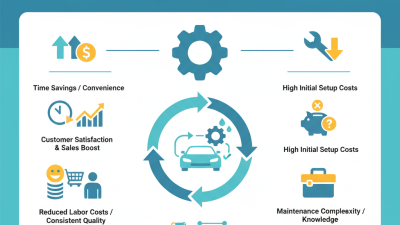
In today's fast-paced world, convenience is key, especially when it comes to car care. The Drive Through Car Wash Machine has revolutionized how we clean our vehicles. As we approach 2026, these machines continue to evolve. They are increasingly efficient, offering quicker washes without compromising quality. Many car owners appreciate the time savings.
However, not all Drive Through Car Wash Machines are created equal. Some may leave spots or fail to clean hard-to-reach areas. Users often report mixed experiences. While some machines perform flawlessly, others may disappoint with subpar washing results. This inconsistency can make choosing the right machine a challenge.
Before investing in a Drive Through Car Wash Machine, consider your specific needs. Do you prioritize speed or the level of cleanliness? Reflecting on these factors can guide your decision. Ultimately, these machines can be awesome time savers but may require careful selection for the best results.

Best Drive Through Car Wash Machines: An Overview
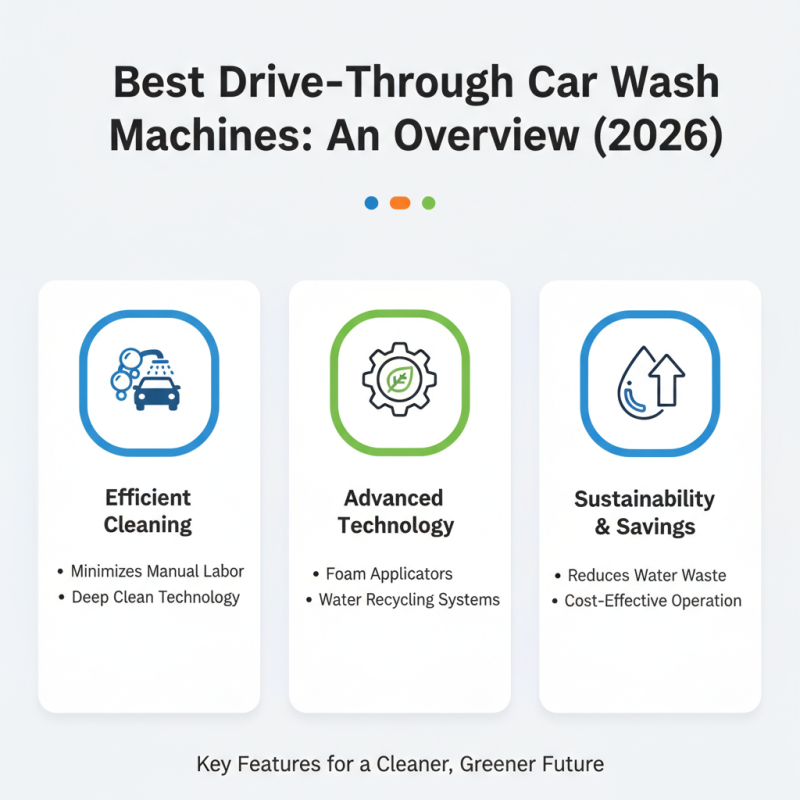
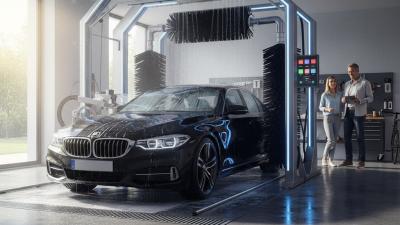
When considering the best drive-through car wash machines for 2026, it's crucial to understand how they work. These machines are designed to clean vehicles efficiently while minimizing the need for manual labor. Many modern systems utilize advanced technologies like foam applicators and water recycling systems. This not only enhances cleanliness but also promotes sustainability.
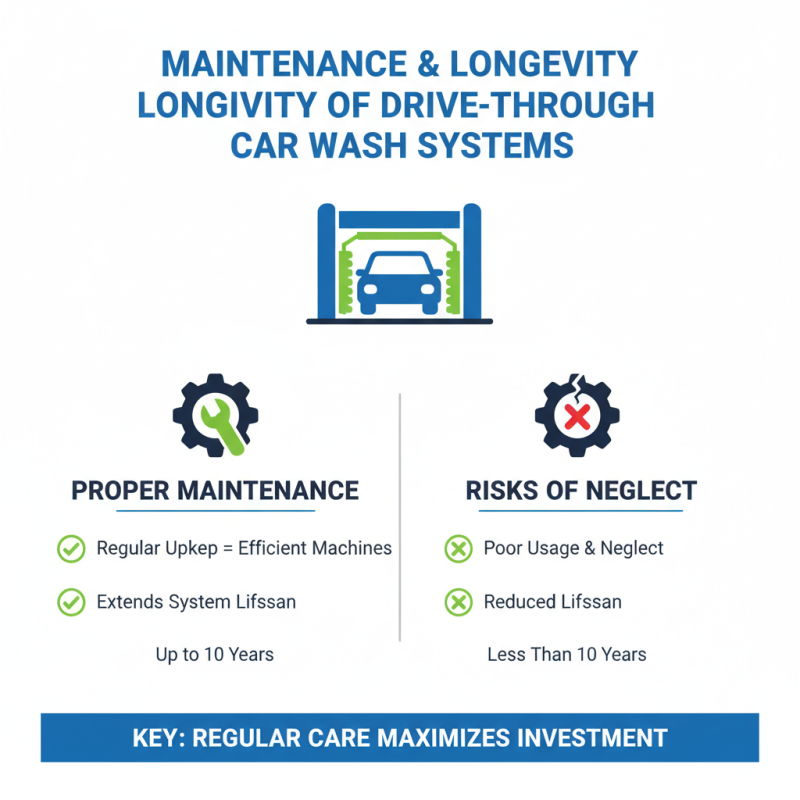
Tips: Always check the materials used in these machines. Some models may scratch your vehicle's surface. Opt for soft cloth or touchless systems to ensure safety. Regular maintenance of the machines is key. A poorly maintained machine can lead to subpar washes.
The drawback of using drive-through car washes is often the inconsistency in results. Depending on the machine's setup, some cars may leave cleaner than others. Factors like vehicle size and type can impact effectiveness. Be prepared for this variability. Consider visiting multiple locations to find the best service. Keeping your expectations realistic can enhance your experience greatly.
Key Features of Modern Drive Through Car Wash Machines
Modern drive-through car wash machines are rapidly evolving. These machines incorporate advanced technology that enhances efficiency. One primary feature is the integration of multi-step wash systems. These systems often include pre-soaks, foam applicators, and high-pressure rinses. They effectively remove dirt and grime without damaging the vehicle's surface.
Additionally, another key feature is the use of environmentally friendly cleaning agents. Many modern washes utilize biodegradable soaps. These products are less harmful to the environment. Sensors are also critical components in these machines. They help ensure a perfect wash by adjusting water pressure and spray angles based on the vehicle's size. Yet, despite these advancements, some users report inconsistent results. Certain models may not reach difficult spots, leaving some cars partially dirty.
User interface goes a long way in modern designs. Touchscreen controls simplify customer interaction. They can select wash types and additional services easily. While these features are convenient, they may not work flawlessly in bad weather. It’s essential for operators to maintain these systems regularly. Overall, the combination of features makes modern drive-through car washes appealing. However, potential buyers should weigh their options carefully. Inconsistencies and technical issues can affect customer satisfaction.
Best Drive Through Car Wash Machines for 2026
Comparison of Popular Drive Through Car Wash Brands
When choosing a drive-through car wash, consider the variety of brands available. Each brand offers unique features and technologies. Popular options may include touchless systems, foam applicators, and high-pressure rinse capabilities. Understanding these differences can enhance your car washing experience.
Consider the materials used in the wash systems. Some machines may damage paint if not handled properly. Regular maintenance is crucial for keeping machines in top condition. Look for brands that emphasize safety and gentleness in their cleaning processes.
Tips: Always inspect the wash system before use. Poorly maintained machines can harbor debris. Research the local options and read customer reviews to find reliable brands. Don’t hesitate to ask for recommendations. Awareness of local weather conditions can also guide your cleaning schedule, making car maintenance more efficient.
Best Drive Through Car Wash Machines for 2026 Are They Worth It? - Comparison of Popular Drive Through Car Wash Brands
| Feature |
Machine A |
Machine B |
Machine C |
| Wash Time (minutes) |
3 |
5 |
4 |
| Avg. Cost per Wash ($) |
12 |
10 |
15 |
| Technology Used |
Foam & Rinse |
Touchless |
Hybrid |
| Water Usage (gallons) |
50 |
40 |
45 |
| Average Customer Rating |
4.5 |
4.2 |
4.7 |
Cost Analysis: Are Drive Through Car Wash Machines Worth the Investment?
As the demand for convenience grows, the drive-through car wash market is evolving rapidly. By 2026, these machines promise to impress with better technology and efficiency. However, potential investors should carefully assess their costs. Industry reports indicate that initial investments can range from $200,000 to over $1 million, depending on location and scale. Operating costs, including maintenance and labor, also impact the bottom line.
It is essential to understand the local market dynamics before making a purchase. Consider the number of car washes per capita in your area. A high density might mean fierce competition. Conversely, in less saturated markets, a well-placed machine could yield significant returns. Customer preferences also play a crucial role; studies show consumers favor touchless options, impacting machine selection.
Tips: Regular maintenance can save costs in the long run. Keep an eye on industry trends to adapt your services. If you're uncertain, consult with market experts to understand your options better. Realistic projections about customer flow and pricing strategies are key to making informed financial decisions.