Why Choose a Fully Automated Car Wash for Your Business?
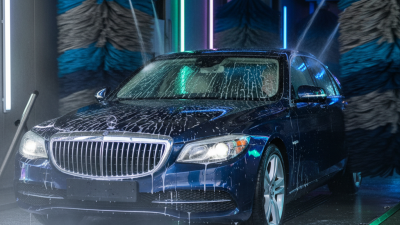
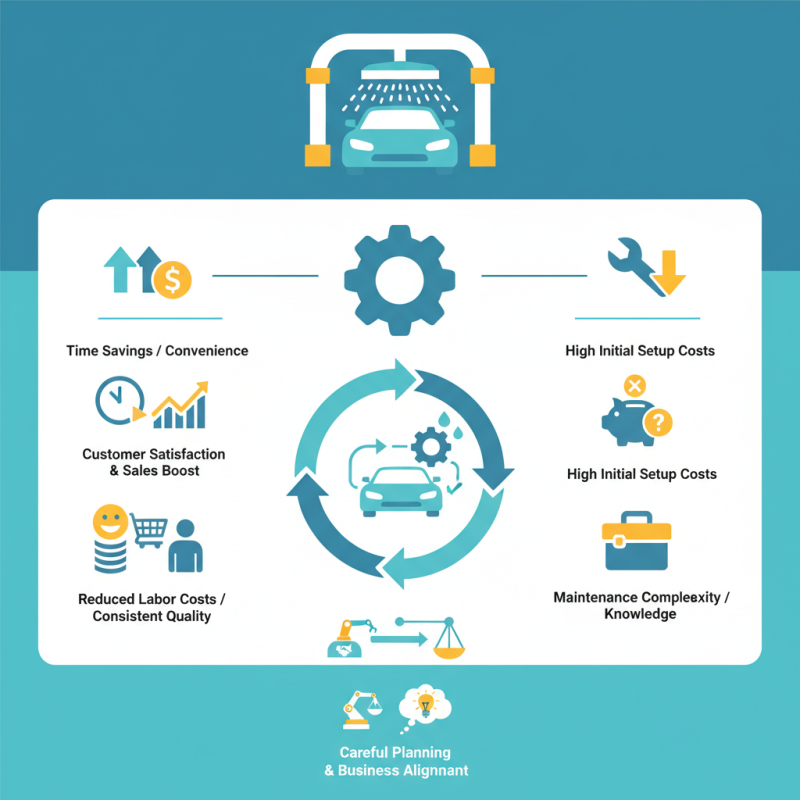
In today's fast-paced world, a Fully Automated Car Wash can be a game changer for your business. Many customers seek convenience, and automation meets this demand perfectly. Imagine a situation where your clients can wash their cars without waiting in long lines. This streamlined process enhances customer satisfaction and drives sales.
Investing in a Fully Automated Car Wash offers several advantages. It reduces labor costs significantly. Moreover, it ensures consistent service quality, regardless of the time of day. Customers appreciate the efficiency, making them more likely to return. However, challenges exist. Initial setup costs can be high, and maintenance requires specialized knowledge.
As you consider this investment, reflect on your business needs. A Fully Automated Car Wash promises benefits, yet it demands careful planning and consideration. Balancing automation with customer service is essential. In the end, the decision should align with your overall business goals.
Benefits of Fully Automated Car Wash Systems for Business Efficiency
Fully automated car wash systems offer significant advantages for business efficiency. These systems provide consistent cleaning quality, which customers appreciate. A well-maintained automated wash can handle high volumes. This helps meet customer demand during peak hours without compromising service quality. Customers experience shorter wait times, which keeps them coming back.
Labor costs can increase, but automation addresses this by minimizing the need for staff. It allows business owners to allocate human resources more effectively. Employees can focus on customer service while the machines take care of washing. Initially, the investment in automated systems may seem high. However, the long-term savings often offset the initial expenses.
It’s essential to evaluate the potential drawbacks. Technical issues may arise, affecting the reliability of service. Routine maintenance is crucial, and businesses should be prepared for occasional downtime. A thorough understanding of these systems is vital for running a successful operation. Adopting fully automated car washes can present challenges, but the benefits often outweigh them.
Why Choose a Fully Automated Car Wash for Your Business? - Benefits of Fully Automated Car Wash Systems for Business Efficiency
| Benefit |
Description |
Impact on Efficiency |
| Increased Throughput |
Automated systems can wash more cars in less time compared to manual washing. |
Higher revenue potential due to more customers served. |
| Consistent Quality |
Automated processes ensure a uniform wash quality for every vehicle. |
Improves customer satisfaction and loyalty. |
| Lower Labor Costs |
Reduces the need for a large workforce, as fewer employees are needed to operate the system. |
Saves operational costs and increases profit margins. |
| Enhanced Safety |
Minimizes the risk of accidents and injuries by reducing human involvement in the washing process. |
Promotes a safer work environment. |
| Environmentally Friendly |
Automated washes use less water and environmentally safe cleaning agents. |
Attracts eco-conscious customers and reduces water costs. |
Cost Savings through Automation: Reducing Labor and Operational Expenses
Choosing a fully automated car wash can lead to significant
cost savings. Automation reduces labor costs, which typically represent a large portion of operational
expenses. According to industry reports, labor costs can consume up to 50% of a car wash's budget.
By implementing automated systems, businesses can cut down these expenses, reallocating funds towards
marketing or service improvements.
Consider that a fully automated car wash can operate with fewer staff, sometimes only needing one or
two employees on-site. This not only lowers wage costs but also minimizes the risks associated with
hiring, training, and turnover. Additionally, automated systems can handle a higher volume of cars
per hour compared to manual washes, increasing revenues. A study suggests that automated washes can
process over 100 vehicles in the same time frame.
Tips: Invest in training for your staff to effectively manage
the automated processes. This ensures that the transition is smooth and enhances overall efficiency.
Regular maintenance on the equipment is crucial too. It helps avoid unexpected downtime and keeps
operational costs low. Remember, while automation reduces many expenses, initial setup costs
must be carefully considered. Balancing these factors is essential for long-term success.
Enhancing Customer Experience with Quick and Convenient Services
In today's fast-paced world, convenience is key. A fully automated car wash caters to this need by offering quick services that fit into busy schedules. Customers appreciate not having to wait long. They can simply drive in, and the automated system handles the rest. This rapid service can lead to increased customer satisfaction.
Moreover, automation reduces human error. Machines consistently deliver a high-standard wash. However, it’s vital to ensure that the equipment is regularly maintained. Poor maintenance can lead to subpar washes, disappointing customers. Frequent checks are necessary for optimal performance.
While automated services may seem flawless, there are challenges. Some users may miss the personal touch of a human-operated car wash. Feedback from customers can help improve service. Listening to customer experiences is essential. It provides insights into areas for growth and innovation.
Environmental Impact: How Automated Car Washes Conserve Resources
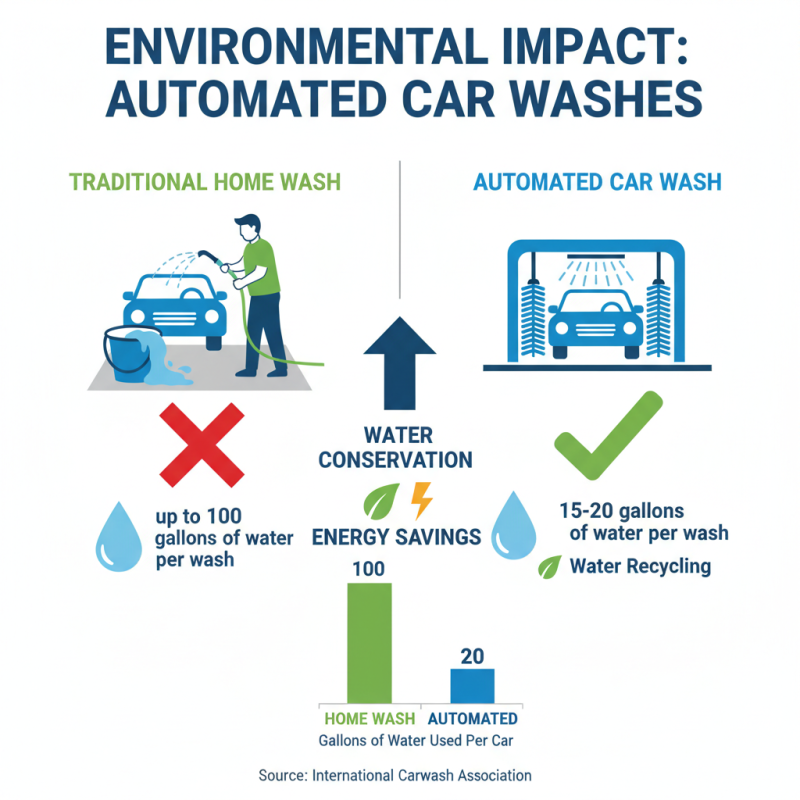
Automated car washes have a significant environmental impact. These systems conserve water and energy compared to traditional washing methods. According to a report by the International Carwash Association, automated car washes use about 15-20 gallons of water per vehicle, whereas a typical home wash can consume up to 100 gallons. This efficiency results in a substantial reduction of water waste.
Moreover, automated car washes employ advanced technology to recycle water. Many facilities have systems that treat and reuse water, minimizing overall consumption. The same report highlights that a well-maintained automated car wash can recycle up to 90% of the water used. This not only conserves resources but also reduces the strain on local water supplies, an essential factor in regions facing drought.
Tips: Consider investing in a car wash that prioritizes water recycling. Regular maintenance of these systems is crucial to maximize their efficiency. Utilizing biodegradable soaps can further enhance the eco-friendliness of the service. Remember, every effort counts in reducing your business’s environmental footprint.
Maintaining Consistent Quality and Performance in Car Washing Services
In the competitive car wash industry, maintaining quality and performance can be challenging. A fully automated car wash system offers consistency that manual washes often struggle to provide. Research indicates that automated systems can deliver uniform cleaning results up to 95% of the time, compared to just 70% for manual labor. The precision of machinery ensures that every car receives the same level of service, eliminating human error.
Moreover, automated washes require less supervision, allowing staff to focus on customer service. According to industry data, businesses that adopt fully automated systems can see a 20% increase in productivity. This leads to shorter wait times and improved customer satisfaction. However, some may argue that the initial investment in automated technology can be daunting. Evaluating long-term operational savings against upfront costs is essential.
Despite these advantages, not all automated systems are perfect. Maintenance issues can arise, leading to inconsistent wash quality if not regularly monitored. It's crucial to create a balanced approach, integrating technology while maintaining human oversight. Addressing these potential pitfalls helps in ensuring that quality is upheld throughout different operational phases. Thus, the effectiveness of a fully automated car wash relies heavily on ongoing assessment and improvement.