Choosing the right Electric Car Wash Machine in 2026 requires more than comparing motor power or purchase price. Buyers must examine washing speed, water recovery, brush design, electrical load, maintenance access, and local operating conditions. A compact rollover machine may suit a neighborhood service bay. A tunnel system may serve busy commercial sites with steady traffic. Touchless equipment can reduce surface contact, but it often demands stronger pumps and careful chemical control.
Eric Wulf, former CEO of the International Carwash Association, has stated, “The professional car wash is one of the most water-efficient ways to wash a vehicle.” This observation matters when evaluating modern equipment. Efficient machines should capture, filter, and reuse water whenever practical. They should also provide clear safety controls, emergency stops, and dependable technical support. A low purchase price means little if replacement pumps remain unavailable for weeks.
This 2026 guide introduces the main Electric Car Wash Machine types for buyers. It compares rollover, tunnel, touchless, self-service, and mobile solutions. Each category serves a different customer flow and site layout. Some systems look efficient on paper. Real performance may change with winter temperatures, mineral-heavy water, staff training, or poor drainage. That uncertainty deserves attention. Buyers should request service records, test operating noise, inspect wiring quality, and calculate energy use per wash. The best machine is not always the fastest. It is the one that delivers consistent cleaning, manageable costs, and safer daily operation.
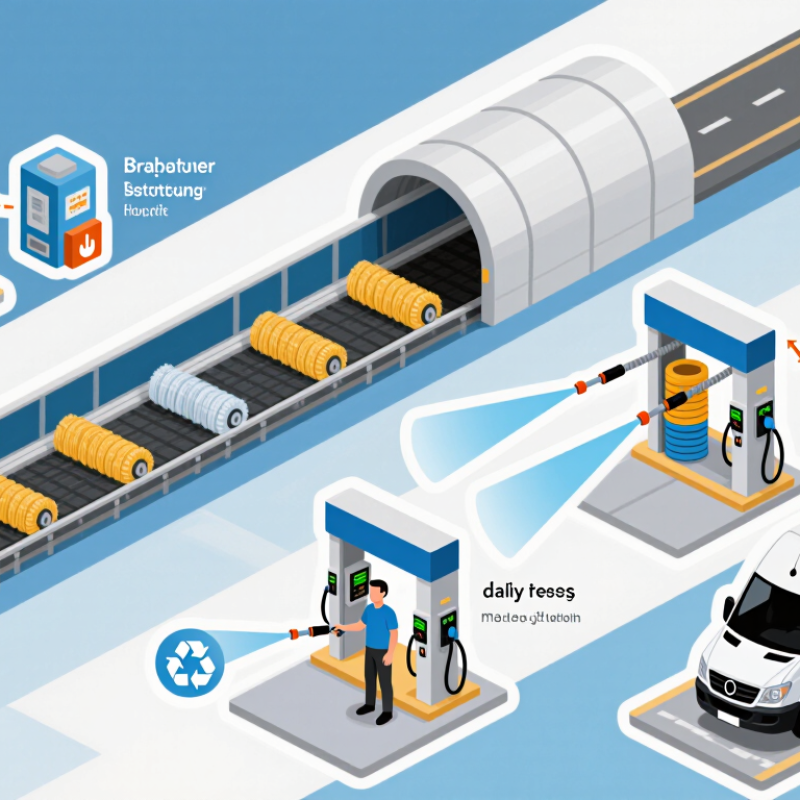
An electric car wash machine is an integrated system that uses electric motors and controls to move water, cleaning solution, and drying air around a vehicle. Its core functions include pre-rinsing, applying detergent, removing soil with spray or brushes, rinsing, and drying. Small details matter. Sensors help detect vehicle position, while control panels adjust cycle steps and equipment timing.
The International Carwash Association’s published water-use guidance estimates that a typical professional wash uses about 40 gallons per vehicle, compared with roughly 80–140 gallons for washing at home. Actual use varies with equipment and water-reclaim design. That makes pump settings and reclaim systems practical features, not just technical extras. The U.S. Department of Energy and Hydraulic Institute’s Improving Pumping System Performance sourcebook estimates that pumping systems use about 20% of global electricity. Efficient pump selection therefore matters for operating costs and resource use. Still, a machine’s specifications cannot guarantee a good wash: nozzle condition, detergent dosing, and regular maintenance affect the result. A neglected sensor can disrupt an otherwise well-designed cycle.
Electric pressure washers are common for home washing and small detailing spaces. Portable models are easy to store and move. Larger units can deliver steadier pressure for frequent use. Choose a suitable nozzle and keep it moving across the paint. Holding a concentrated spray too close can damage trim or loosen weak coatings. More pressure is not always better.
Foam machines mix cleaning solution with air and water, laying a thick layer over the vehicle. This helps soften road film before rinsing, but foam alone does not remove every mark. Electric steam cleaners use heated, low-moisture vapor for targeted cleaning around door jambs, wheels, and interior surfaces. They require careful handling. Check surface compatibility, since heat can affect delicate materials.
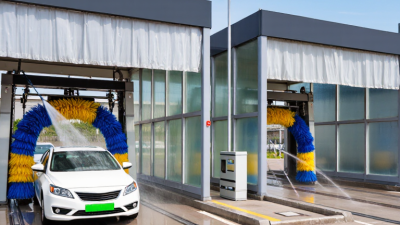
Automatic electric systems generally use a gantry or tunnel design. A gantry moves equipment around a stationary car, while a tunnel carries vehicles through several wash stages. These systems suit higher-throughput sites, but need more space, installation planning, and maintenance access. Buyers should compare cycle time, water supply, drainage, and electrical requirements. A faster cycle can mean less contact time with stubborn dirt. That trade-off deserves a second look.
Electric pressure washers use an electric motor to drive a pump, sending water through a narrow nozzle. The trigger controls the flow, while the nozzle shape changes the spray pattern. A wide fan rinses panels; a tighter jet tackles grime on wheels, but should be kept away from delicate trim. Check the machine’s pressure and flow ratings, since pressure alone does not tell you how quickly it can rinse.
Foam machines draw detergent into the water stream and spread it over the vehicle as a thick layer. Letting the foam sit briefly can loosen road film before rinsing. More foam is not automatically better. A steam cleaner heats water into vapor and directs it through a small hose and nozzle. The heat can soften greasy marks around door sills, though it takes patience on large areas.
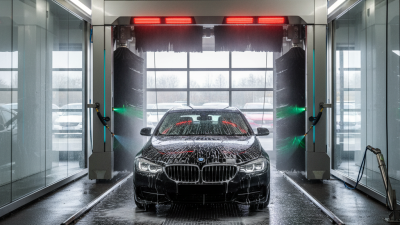
Automatic systems work differently. In a gantry wash, the vehicle stays still while a motorized frame moves around it, spraying water and detergent or operating brushes. Conveyor systems move the vehicle through fixed wash stages. Their sensors and timed cycles make washing consistent, but may not reach every crevice. That detail is easy to miss. For any type, follow the operating instructions and test unfamiliar settings on a less visible surface.
| Machine type | How it operates | Typical wash time | Suitable for | Advantages | Buyer considerations |
|---|---|---|---|---|---|
| In-bay automatic — touchless | The vehicle remains stationary while a gantry moves around it. Detergent, high-pressure water, and rinse solutions are applied without brushes or cloth contacting the vehicle. | About 5–10 minutes per vehicle; program and equipment dependent. | Sites with limited space or moderate throughput that want a contact-free wash option. | No wash media touches the paint; the stationary-bay layout is relatively compact. | Cleaning performance depends on water pressure, detergent, dwell time, and soil level. Check water treatment, drainage, and utility requirements. |
| In-bay automatic — friction | A gantry moves around a stationary vehicle, applying cleaning solution and using powered soft-cloth or foam media to wash exterior surfaces, followed by rinsing and drying steps. | About 4–8 minutes per vehicle; program dependent. | Fuel stations, dealerships, and other locations seeking automated washing without a moving conveyor. | Physical contact can help remove some stuck-on dirt; typically uses less floor length than a conveyor tunnel. | Wash media needs inspection and regular cleaning or replacement. Confirm vehicle-clearance limits and safe operation around accessories. |
| Conveyor tunnel — friction or hybrid | A conveyor moves vehicles through sequential stations for pre-soak, washing, rinsing, and optional protection or drying. Cleaning may use soft-cloth media, high-pressure water, or a combination. | The vehicle’s tunnel pass is often about 2–5 minutes; queueing and full site time are additional. | High-volume commercial sites with sufficient building length, vehicle stacking space, and staff for traffic management. | Continuous flow can support higher throughput than single-bay systems when properly sized and operated. | Requires more space and coordinated conveyor, safety, drainage, and utility systems. Throughput varies with tunnel length, package, and operating conditions. |
| Self-service high-pressure wash bay | The customer operates a spray wand and selects timed functions such as pre-soak, detergent, high-pressure rinse, and sometimes foaming or spot-free rinse. | Often about 5–15 minutes, depending on customer choices and paid time. | Locations serving customers who prefer hands-on washing, including sites with several separate bays. | Flexible wash steps and vehicle access; customers control the wand and time spent. | Results depend on user technique. Check hose and wand durability, freeze protection where needed, payment controls, and safe drainage. |
| Portable electric pressure washer | An electric motor drives a pump that pressurizes water delivered through a hose and spray gun. Some models draw from a tap; others may support a compatible water source as specified by the manufacturer. | Varies by vehicle, setup, and operator; typically a manual wash rather than a fixed automated cycle. | Home users, mobile cleaning work, and light-duty vehicle washing where a fixed wash bay is not available. | Portable and comparatively simple to set up; can be used for other cleaning tasks when the unit is rated for them. | Compare operating pressure and water flow, electrical supply, hose reach, and duty cycle. Use an appropriate spray pattern and distance to avoid damaging paint, trim, or seals. |
| Electric steam-cleaning machine | An electric heating element produces steam, which an operator applies through a hose and nozzle for targeted cleaning. Some machines also provide hot water or extraction features. | Varies by task; targeted interior or detail work can take longer than an automated exterior wash. | Detailing and selected interior or spot-cleaning tasks where controlled, localized application is useful. | Can reduce water use for some targeted tasks compared with conventional rinsing, depending on technique and equipment. | Check warm-up time, electrical load, tank capacity, and manufacturer guidance for each surface. Heat and moisture can damage sensitive materials if misused. |
Wash times are indicative ranges, not guaranteed cycle times. Actual performance depends on the machine configuration, wash program, vehicle size, site layout, and operating conditions.
Choose a machine around your site, not just its advertised wash speed. An in-bay automatic unit may suit a compact location with limited staffing. A conveyor system can handle steady traffic, but it needs more space and reliable vehicle flow. Measure bay clearance, entry and exit paths, and ceiling height before comparing models. Small layout errors become expensive.
Check electrical supply, water pressure, flow rate, and drainage requirements against your building’s actual capacity. The International Carwash Association’s water-use estimates put a typical professional wash near 40 gallons per vehicle, though equipment and wash programs change the figure. Ask suppliers for measured water use per cycle and details on reclaim compatibility. Water savings matter. But reclaim performance needs verification, not assumptions.
Compare total operating costs, not only purchase price. Review energy use, detergent dosing, dryer power, routine service intervals, and the availability of replacement parts. Ask for cycle-time data under conditions like yours; a quoted maximum may not reflect a cold morning or busy weekend. Request a site assessment and a written service plan. One detail buyers sometimes overlook: louder dryers can affect nearby homes or businesses. That deserves a real check.
Electric car wash machines range from portable pressure washers to in-bay automatics and conveyor systems. Their safety demands differ. Portable units keep operators close to the spray, making stable footing, sound hoses, and dry electrical connections essential. A slipping wand can cause injury. In-bay systems reduce direct handling, but wet floors and moving arms still need attention. Conveyor systems add pinch points, so accessible stop controls and scheduled inspections matter. No machine removes risk.
Maintenance affects both safety and operating cost. On a portable washer, check the cord, filter, and nozzle for wear; a clogged nozzle can strain the pump. In-bay equipment has more sensors and moving parts, which may mean higher service needs but less hands-on washing time. Conveyor systems can handle more vehicles, yet belt repairs or downtime may be costly. Electricity, water use, detergent, and labor all shape the real expense. A lower purchase price can mislead. Track utility use and repair time over several weeks before comparing options. One detail is easy to miss: poor drainage can leave slippery puddles and add cleanup work. Keep records; estimates alone are imperfect.