How to Choose an Auto Car Wash Machine in 2026?

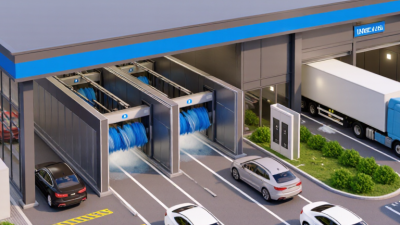
Choosing an Auto Car Wash Machine in 2026 requires more than comparing spray pressure and conveyor speed. The right system must match vehicle volume, site layout, labor capacity, water access, and customer expectations. A compact rollover machine may suit a fuel station with limited space. A tunnel system may perform better at a busy urban location.

Market evidence supports careful investment. Grand View Research estimated the global car wash services market at approximately USD 34.17 billion in 2023. Its report also projects continued growth through 2030, driven by convenience, vehicle ownership, and professional cleaning demand. Growth sounds attractive. However, demand alone does not guarantee a profitable machine purchase.

Water efficiency deserves serious attention. U.S. Environmental Protection Agency WaterSense guidance indicates that commercial car washes can use substantially less water than typical home washing. Equipment with water reclamation, high-pressure rinsing, and controlled chemical dosing can reduce waste. The figures vary by machine design and operating habits. Real performance depends on maintenance.

A reliable selection process should examine throughput, drying quality, brush material, sensor accuracy, spare-parts access, and software controls. Ask suppliers for documented cycle times and water consumption. Request references from similar sites. A polished demonstration can hide expensive weaknesses.

No machine is perfect.

Operators should also calculate total ownership cost, including electricity, detergents, repairs, training, and downtime. The cheapest Auto Car Wash Machine may become costly after one harsh winter or a failed pump. Some recommendations remain uncertain because local traffic patterns and utility prices differ. That uncertainty deserves honest review before signing a purchase agreement.
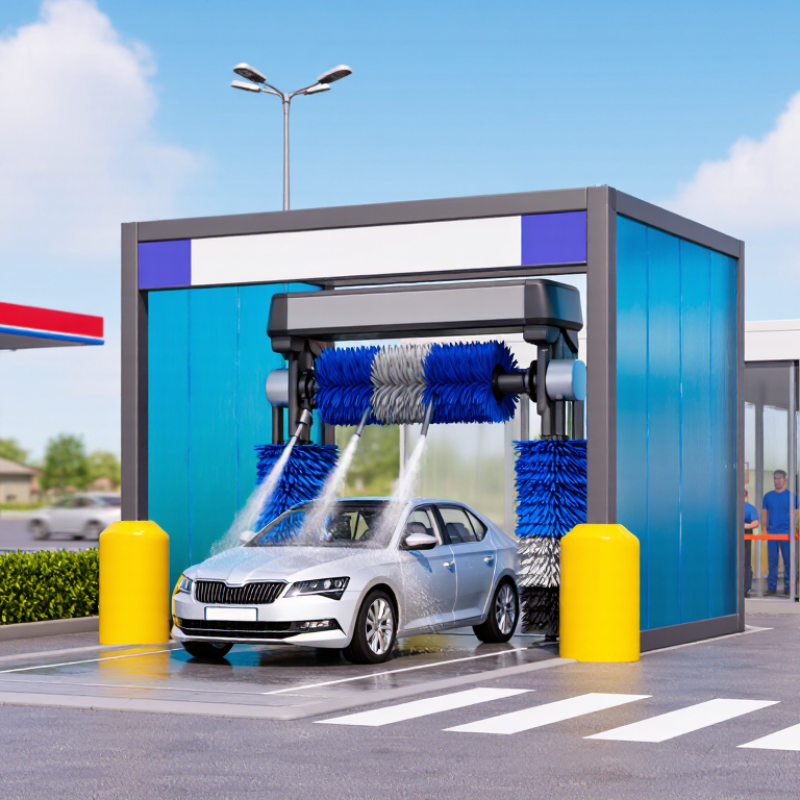
How to Choose an Auto Car Wash Machine in 2026?

What an Auto Car Wash Machine Is and How It Works

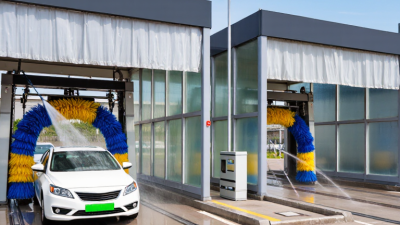
An auto car wash machine cleans vehicles with programmed movement, controlled water, detergent, and drying equipment. It is not simply a large brush. The machine first detects vehicle position and basic dimensions. Sensors guide the wash cycle and help prevent contact with fixed obstacles. Depending on the design, the vehicle remains still, or a conveyor moves it through separate stations. A typical cycle includes pre-rinse, foam application, brushing or high-pressure washing, rinsing, and drying. Timing and pressure must match the vehicle’s surface.

The washing process begins with loose dirt removal. This matters because dry grit can act like sandpaper under a brush. Foam loosens road film, while rotating brushes or touch-free jets remove remaining contamination. Water follows controlled spray patterns. Dryers use fans and shaped air outlets to push water from mirrors, windows, and body panels. Operators should check nozzle alignment, brush condition, emergency stops, and water filtration daily. Small maintenance failures can create uneven cleaning or visible marks. That part is often underestimated.

Choosing a machine requires more than comparing speed. Measure the bay, drainage, power supply, vehicle clearance, and expected traffic. Request documented water consumption, cleaning tests, safety procedures, and service training. Some specifications look impressive but lack practical context. A faster cycle may reduce cleaning quality. A quieter dryer may need more time. The practical choice comes from observing a complete wash cycle and questioning assumptions before installation. Even experienced operators revise their plans after seeing winter mud, narrow mirrors, and poorly maintained vehicles in daily use.

Key Factors for Comparing Auto Car Wash Machines in 2026

How to Choose an Auto Car Wash Machine in 2026?

Choosing an automatic car wash machine in 2026 requires more than comparing purchase prices. The better comparison begins with your site, traffic pattern, vehicle mix, and operating goals. A compact conveyor may suit steady urban traffic, while a rollover unit fits lower daily volume. Measure entry width, exit space, drainage, and winter equipment access before requesting quotations. Small errors here become expensive construction changes.

Compare throughput using realistic cycles, not the fastest number in a brochure. Ask how many vehicles the system handles during a rainy Saturday. Review brush pressure, drying performance, chemical control, and cleaning consistency across different vehicle shapes. Touchless systems can reduce contact concerns, but they may need stronger water pressure and more drying time. That trade-off deserves a site test. Operators should inspect sensor placement and emergency stops in person. I once focused too heavily on speed and underestimated maintenance access. The lesson was uncomfortable, but useful.

Energy, water, labor, and consumables determine the real cost per wash. Request measured figures from comparable installations, then verify them during a trial period. Check filtration, water recovery, noise, software updates, and fault reporting. Reliable technical support matters when a sensor fails before morning traffic. Ask about spare-part availability and technician response times in writing. Safety documentation and local installation requirements must be reviewed by qualified professionals. Some comparisons remain uncertain. Actual results depend on training, weather, and customer behavior.

How to Match Machine Types With Your Car Wash Business

How to Choose an Auto Car Wash Machine in 2026?

How to Match Machine Types With Your Car Wash Business

Start with customer flow, not machine appearance. A high-volume roadside site may suit a conveyor tunnel, especially when drivers expect quick service. The International Carwash Association’s 2024 Consumer Study reports that professional car wash use remains widespread among vehicle owners. Speed matters, but queue design matters too. A beautiful machine cannot repair a poor entrance layout.

For compact sites, an in-bay automatic system often needs less land and fewer staff. It can serve drivers who prefer predictable, unattended washing. The U.S. Environmental Protection Agency’s WaterSense at Work guidance places typical water use near 60 gallons per vehicle for in-bay systems, compared with about 35 gallons for conveyor systems and 15 gallons for self-service bays. Actual results depend on recovery equipment, programming, and maintenance.

Self-service machines can fit rural markets, budget customers, or locations with flexible operating hours. They demand durable hoses, clear payment controls, and regular inspection of foam brushes. Do not select equipment from water figures alone. Electricity capacity, drainage, winter temperatures, labor costs, and local traffic patterns can change the return dramatically. I would not pretend every forecast is reliable. A modest machine with steady utilization may outperform a larger system that sits idle. Test the site with real traffic counts before signing a purchase order.

What to Check in Cleaning Performance, Safety, and Maintenance

Choosing an auto car wash machine in 2026 starts with cleaning performance, not a glossy control panel. In field inspections, I check water pressure, brush contact, drying coverage, and cycle consistency. A strong system removes road film from wheel arches without forcing operators to repeat the wash. Ask for test results on muddy panels, not only polished display cars. Inspect nozzle spacing and brush material. Uneven spray patterns often leave dirty strips along doors. The machine should manage water use through measured dosing and practical reclaim filtration. Filters still need frequent attention.

Tips: Run three test cycles with the same vehicle. Measure wash time, water use, and missed areas. Watch the drying stage closely. Wet mirrors and door handles reveal weak airflow. Request maintenance logs and operator training records. If the supplier avoids clear figures, pause. That hesitation matters.

Safety depends on sensors, emergency stops, guarded moving parts, and clear vehicle positioning. Test whether the machine stops when an obstacle enters its path. Do not accept a vague answer. Maintenance access should be simple, with labeled filters, belts, pumps, and inspection points. Daily checks should take minutes, not half a shift. Keep spare wear parts available and confirm service response times in writing. I have seen reliable machines lose performance because staff skipped small cleaning tasks. That is an uncomfortable lesson. Choose equipment with readable alerts, stable software updates, and records showing what changed. A practical manual beats impressive promises.

How to Choose an Auto Car Wash Machine in 2026? - What to Check in Cleaning Performance, Safety, and Maintenance

Evaluation Area What to Check Recommended Target or Requirement Why It Matters Verification Method
Wash Type Choose between rollover, conveyor, or touchless equipment. Match the system to vehicle volume, available floor space, labor model, and expected service speed. The machine layout affects throughput, staffing, installation cost, and cleaning consistency. Compare the planned site layout, vehicle queue, drainage, power supply, and operating process.
Cleaning Coverage Coverage of the roof, sides, front, rear, wheels, lower panels, and underbody. The cleaning cycle should include dedicated wheel and lower-body treatment rather than relying only on top brushes or spray arches. Road film, brake dust, and mud accumulate most heavily on wheels and lower body panels. Run tests using clean water and a controlled amount of typical road soil on several vehicle sizes.
Brush and Material Design Brush softness, contact pressure, material quality, and resistance to retaining grit. Use non-abrasive, regularly cleaned materials with adjustable pressure and automatic obstruction detection. Excessive pressure or trapped particles can increase the risk of surface marks and paint damage. Inspect brush construction, pressure settings, cleaning procedures, and the equipment maintenance manual.
Water Pressure and Spray Control Adjustable spray pressure, nozzle pattern, spray distance, and water distribution. Pressure must be sufficient for pre-rinse and underbody cleaning while remaining suitable for vehicle trim, seals, and sensors. Uncontrolled spray can miss contaminated areas or damage loose trim and sensitive components. Review pressure settings and test the system on vehicles with roof racks, cameras, spoilers, and different body heights.
Drying Performance Airflow coverage, dryer position, noise, drying time, and water-spot reduction. Airflow should cover the roof, glass, mirrors, front, rear, and side panels with adjustable height or position where available. Incomplete drying leaves visible water marks and reduces the perceived quality of the wash. Measure remaining water on representative vehicles after the standard drying cycle.
Chemical Dosing Separate chemical lines, accurate dosing pumps, foam control, and low-chemical alerts. Dosing should be adjustable, clearly labeled, and protected against incorrect chemical connection. Correct concentration supports cleaning performance while limiting chemical waste and surface residue. Check calibration instructions, chemical compatibility, alarm functions, and measured consumption during a trial.
Vehicle Detection Sensors for vehicle height, length, position, wheel location, and obstruction detection. Use multiple detection points with automatic stop or safe-release functions when an abnormal condition is detected. Accurate detection helps prevent contact with mirrors, bumpers, antennas, and other vehicle parts. Test different vehicle dimensions and confirm sensor response during normal and emergency conditions.
Emergency Safety Emergency-stop buttons, guarded moving parts, warning signs, safe access, and restart controls. Emergency stops should be accessible from operator positions and should require a deliberate reset before restart. Moving brushes, conveyors, blowers, and high-pressure systems create significant mechanical and operational hazards. Inspect the risk assessment, electrical documentation, guarding, signage, and emergency-stop test procedure.
Conveyor and Wheel Guidance Vehicle alignment, tire guidance, conveyor control, anti-rollback protection, and exit clearance. Provide clear alignment indicators and a controlled stop or release sequence for incorrectly positioned vehicles. Poor alignment can cause wheel, tire, bumper, or conveyor damage and reduce wash consistency. Conduct loading and unloading tests with different tire sizes, wheelbases, and vehicle weights.
Electrical and Water Protection Electrical enclosure protection, grounding, cable routing, water isolation, and drainage. Electrical components should be suitable for a wet environment and installed with appropriate circuit protection and grounding. Water exposure, chemical vapors, and poor drainage increase shock, corrosion, and equipment-failure risks. Request electrical ratings, installation drawings, grounding requirements, and local compliance documentation.
Daily Maintenance Cleaning brushes, clearing nozzles, checking chemical levels, removing debris, and inspecting sensors. Daily tasks should be documented in a simple checklist and completed before opening or after the operating shift. Routine cleaning prevents blocked nozzles, contaminated brushes, sensor errors, and inconsistent results. Review the operator checklist and estimate the time, tools, and training required for each task.
Consumable and Wear Parts Availability of brushes, belts, bearings, seals, nozzles, filters, hoses, and sensor components. Select equipment with clearly identified part numbers, replacement intervals, and a practical spare-parts plan. Unavailable wear parts can extend downtime and increase emergency repair costs. Request a recommended spare-parts list, service intervals, lead times, and replacement instructions.
Water Management Water recycling, filtration, spot-free rinse, oil separation, and wastewater handling. Use filtration and treatment appropriate to local water quality, discharge rules, and the desired final-rinse finish. Water quality affects spotting, nozzle blockage, chemical use, equipment life, and regulatory compliance. Test the local water, inspect filtration stages, and confirm wastewater requirements with the relevant authority.
Capacity and Cycle Time Vehicles processed per hour, wash-cycle duration, queue capacity, and peak-period recovery. Choose capacity based on measured peak demand, not only the maximum figure stated in a sales specification. Oversized equipment increases capital and utility costs, while undersized equipment creates queues and rushed operation. Calculate demand by hour and validate actual throughput during a supervised site trial.
Energy and Utility Use Electrical load, water consumption, compressed air demand, heating requirements, and standby settings. Compare consumption per vehicle under the same wash program and operating conditions. Utility costs directly affect operating expenses and may limit installation options. Request measured consumption data, utility connection requirements, and a complete installation load schedule.
Service and Diagnostics Fault codes, remote or local diagnostics, service access, technical support, and operator training. The control system should record faults clearly and allow trained staff to identify common causes without bypassing safety devices. Fast troubleshooting reduces downtime and helps prevent repeated failures. Review diagnostic screens, service manuals, training materials, response procedures, and support availability.
Evaluation note: Target values and requirements should be confirmed against the selected machine configuration, local electrical and wastewater regulations, site conditions, and the vehicle types that will be washed.

How to Evaluate Costs, Technology, and Long-Term Value

How to Choose an Auto Car Wash Machine in 2026?

How to Evaluate Costs, Technology, and Long-Term Value

Choosing an auto car wash machine in 2026 starts with the business model, not the newest screen. Estimate daily vehicles, peak-hour demand, water use, electricity, labor, rent, and maintenance. Ask an installer for measured flow rates and service intervals. A low purchase price can hide expensive pumps, chemical dosing parts, or frequent technician visits. Build three forecasts: conservative, expected, and optimistic. Use local utility bills, not sales claims.

Technology should solve a visible problem. Sensors can adjust wash pressure and reduce chemical waste, but only when calibrated. Payment systems, license-plate recognition, remote alerts, and fault logs may shorten queues and improve oversight. However, complex software creates training needs and cybersecurity responsibilities. Request a live demonstration with muddy vehicles, different heights, and a simulated sensor failure. Check cleaning results at mirrors, wheels, and rear panels. A machine that looks impressive under showroom lights may disappoint during winter grit.

Long-term value depends on uptime, parts availability, warranty terms, and technician response times. Read service agreements carefully. Clarify who pays for travel, consumables, software updates, and emergency repairs. Record expected annual maintenance and compare it with revenue per wash. I would also reserve cash for unexpected downtime; my first estimates are rarely perfect. Speak with operators who have used similar equipment through busy seasons. Their service records often reveal more than a polished demonstration.