How to Choose the Best Fully Automated Car Wash System?
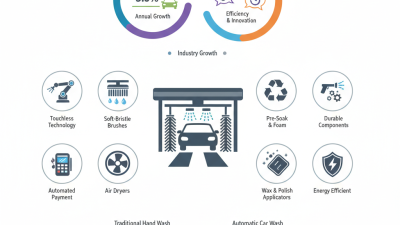
Selecting the right Fully Automated Car Wash system involves careful consideration of various factors. According to a recent report by IBISWorld, the car wash industry has seen steady growth, reaching $11 billion in revenue in the U.S. alone. This trend highlights the increasing consumer preference for convenient and time-saving car cleaning solutions. An effective automated system should not only clean vehicles thoroughly but also enhance customer satisfaction and operational efficiency.
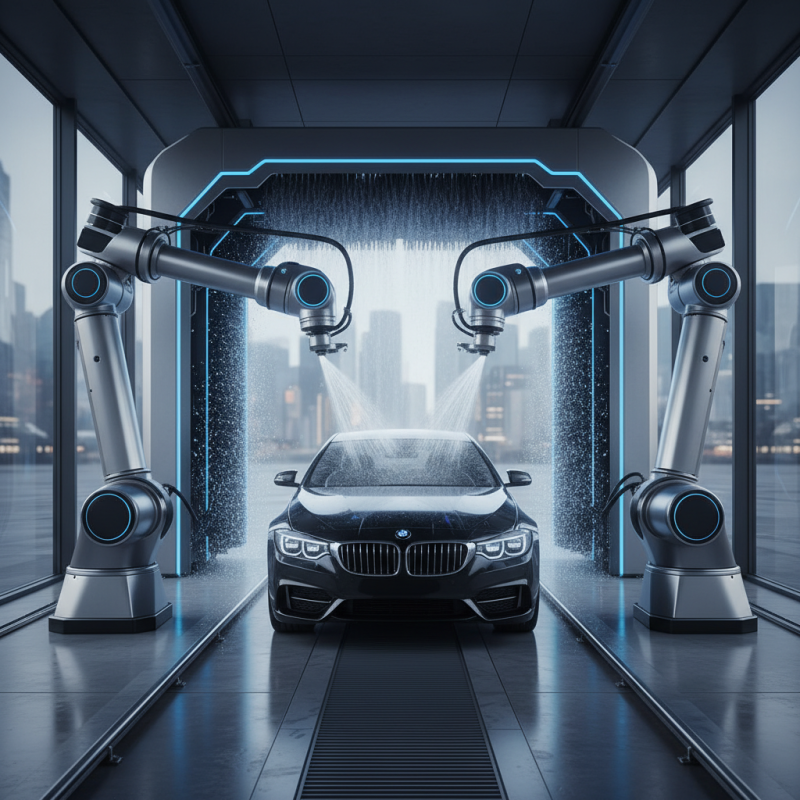
Different systems offer varying technologies. For instance, some utilize advanced robotic arms for a more precise wash, while others depend on high-pressure water jets. It is essential to evaluate these technologies based on your business needs. Not every fully automated system will suit all types of vehicles or customer demands. This reflects the need for due diligence in research and planning.
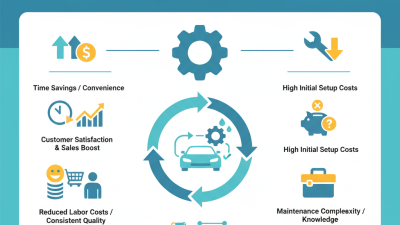
Moreover, operators should embrace ongoing maintenance and be open to feedback for improvement. The transition to a fully automated car wash can come with challenges, including initial investment costs and technical training. A reliable system should balance efficiency with usability, addressing potential drawbacks over time. By choosing wisely, operators can maximize their return on investment in an evolving market.
Understanding the Types of Fully Automated Car Wash Systems
When considering fully automated car wash systems, understanding the types available is crucial. There are mainly three categories: touchless, friction, and hybrid systems. Touchless car washes use high-pressure water jets and special cleaning solutions to eliminate dirt. According to a report from IBISWorld, touchless systems account for 25% of the car wash market due to their gentle nature on vehicle surfaces.
Friction car wash systems utilize soft foam brushes to scrub the vehicle. This method can provide a more thorough cleaning but may raise concerns about potential scratches. Studies indicate that friction systems represent about 60% of the market share, suggesting a strong preference for those seeking a deep clean. Hybrid systems combine the best features of both touchless and friction types. They offer versatility, appealing to car owners looking for customized wash options.
While these systems have their benefits, potential users should consider aspects like water usage and environmental impact. A comprehensive report from the International Car Wash Association highlights that an automated wash uses significantly less water than a typical garden hose, yet concerns about runoff and waste still persist. Therefore, thoroughly researching each system type is essential for making an informed decision.
Evaluating Key Features and Technologies in Car Wash Systems
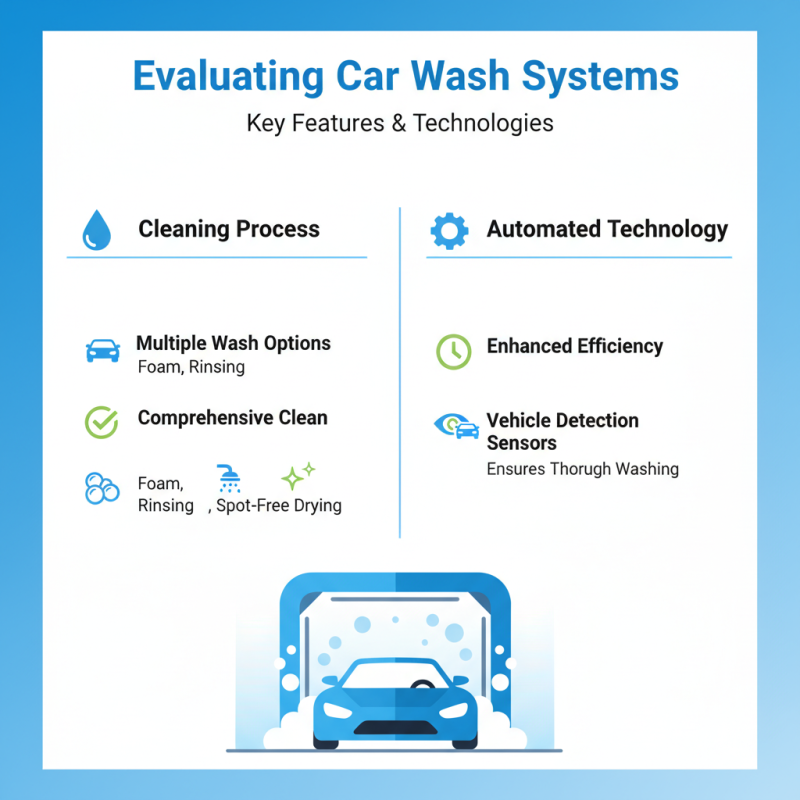
When evaluating car wash systems, features and technologies play a crucial role. It's essential to consider the cleaning process. Look for systems with multiple wash options. These should include foam, rinsing, and spot-free drying. The variety ensures a comprehensive clean. Automated technology can enhance the efficiency of these systems. Some uses sensors for vehicle detection, ensuring thorough washing.
Quality matters in the construction of the wash equipment. Durable materials lead to fewer maintenance issues. Ask about the technology behind the wash. While some systems claim advanced features, they may not deliver consistently. Research customer reviews for insights into real-world performance. Longevity is vital; a well-built system can provide value over many years.
Automated systems may also incorporate environmental considerations. Water recycling features can be beneficial, reducing waste and costs. However, not all systems offer the same level of efficiency. Consider the energy usage of the equipment as well. High performance doesn’t always mean high energy consumption. Striking a balance is key. Take the time to assess the pros and cons of each option. In the long run, informed choices lead to better satisfaction.
Assessing Cost-Effectiveness and Value for Your Investment
Choosing the right fully automated car wash system is critical for operators. Assessing cost-effectiveness and value is essential. According to industry reports, the average return on investment (ROI) for a car wash system can reach up to 60% within the first three years. This means careful selection can significantly impact your financial outcomes.
When evaluating systems, consider both initial costs and ongoing expenses. For instance, energy and water consumption will contribute to long-term costs. A system that saves water can lower utility expenses. Industry studies reveal that advanced systems can reduce water usage by over 30%. Opting for a technology-driven solution offers potential savings, but may involve higher upfront costs.
Investing in training for staff also matters. Many systems support a learning curve. Proper training boosts efficiency and enhances customer satisfaction. However, not all systems provide user-friendly interfaces. Operators may face challenges if the system is complicated. Thus, operators should weigh potential hurdles against the expected benefits carefully. Balancing these factors is essential for maximizing the value of your investment in an automated car wash system.
Cost-Effectiveness of Different Fully Automated Car Wash Systems
This bar chart illustrates the average cost of different fully automated car wash systems, helping you assess which option provides the best value for your investment.
Considering Space and Location for Installation
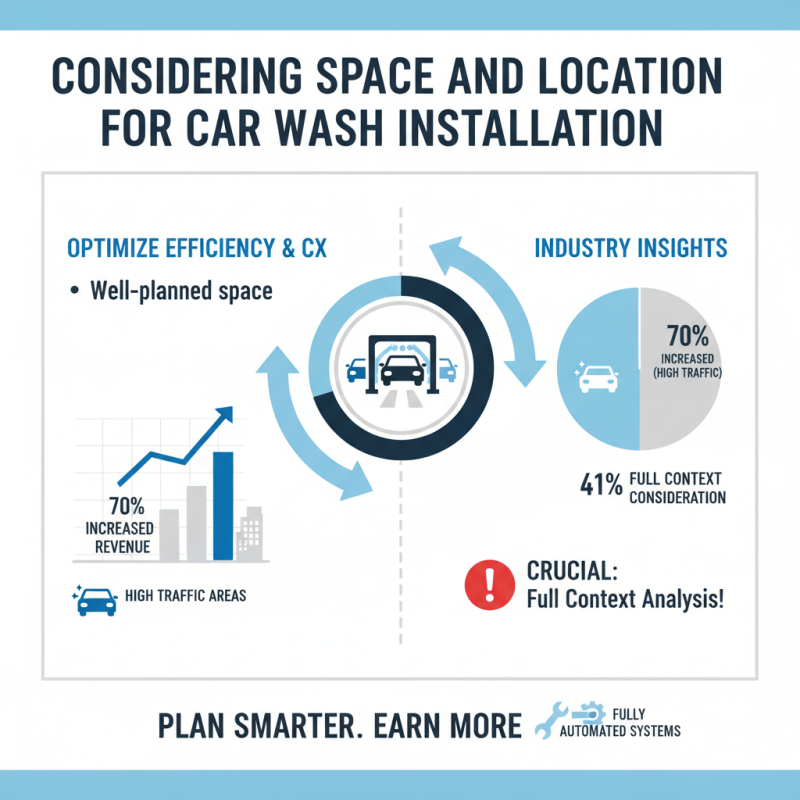
When choosing a fully automated car wash system, the installation location is crucial. A well-planned space can optimize efficiency and customer experience. According to recent industry research, about 70% of car wash businesses see increased revenue in areas with high traffic. However, this data also suggests that only 41% of operators consider the full context of their location before installation.
Space requirements vary widely for automated systems. For instance, a typical tunnel wash may need a minimum width of 50 feet and a length of 100 feet. In contrast, a smaller in-bay automatic wash could function in a space as snug as 20 feet by 30 feet. Yet many businesses overlook these specifications, resulting in insufficient room for vehicle movement and equipment maintenance. Adequate space allows for proper ventilation and water drainage, which are essential for operational safety.
Local regulations also play a role in site selection. Zoning laws can limit where car washes can operate. Operators must research these regulations early on. Installing a system without proper clearance could lead to costly delays or fines. Thus, evaluating both space and regulations is not just important; it is a vital part of choosing a fully automated car wash system. Being informed can save time and resources in the long run.
Analyzing Maintenance Requirements for Long-Term Operation
Choosing the right fully automated car wash system requires more than just looking at the latest technology. Maintenance requirements play a critical role in the long-term operation of these systems. Regular upkeep ensures that the car wash operates efficiently and effectively, preventing costly breakdowns. An in-depth understanding of these maintenance needs can save time and money down the road.
It’s important to consider the components that require frequent attention. This includes pumps, brushes, and drying systems. Each part has its own maintenance schedule, which must be adhered to for optimal performance. Neglecting maintenance can lead to a decline in service quality and can harm customer satisfaction. Also, the type of cleaning agents used can affect both the equipment and the environment. Careful selection of these materials is crucial.
When evaluating a car wash system, check if they offer clear guidelines on maintenance. Detailed documentation should describe how to perform routine checks and what tools are needed. Some systems might seem easy to manage, but in practice, they can be more complex. It’s crucial to have trained staff or resources available. This will ensure maintenance tasks are completed correctly and on time. Ultimately, understanding maintenance logistics is key to making a wise investment.
How to Choose the Best Fully Automated Car Wash System? - Analyzing Maintenance Requirements for Long-Term Operation
| Feature |
Description |
Maintenance Frequency |
Estimated Cost (annually) |
| Pre-Wash System |
Cleans dirt and grime before main wash. |
Monthly |
$600 |
| Foam Brush System |
Applies foam cleanser with brushes for thorough cleaning. |
Quarterly |
$800 |
| Drying System |
Uses high-speed blowers for efficient drying. |
Biannually |
$500 |
| Chemical Injector |
Automates the mixing and dispensing of cleaning agents. |
Monthly |
$300 |
| Control System |
The brain of the car wash, keeping everything in sync. |
Yearly |
$1,200 |