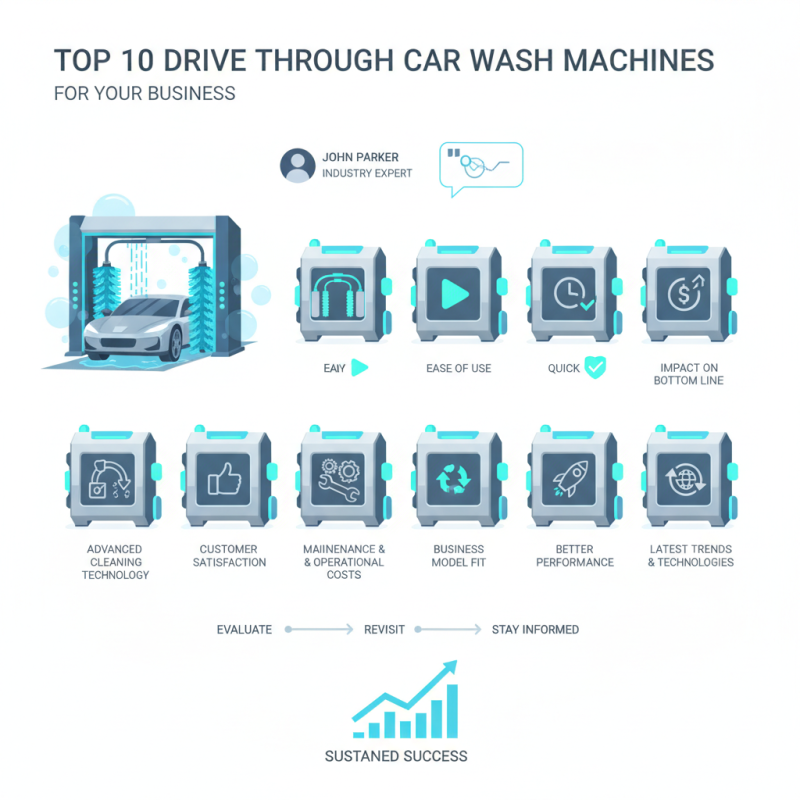
In the competitive world of car care, choosing the right equipment is essential. The Drive Through Car Wash Machine stands out as a pivotal investment for any service business. According to John Parker, an industry expert with over 20 years of experience, "A quality drive-through system can transform your wash operations and boost customer satisfaction." His insights emphasize the importance of efficiency and innovation.
Selecting the best machines can greatly impact your bottom line. Each model offers unique features. Some are equipped with advanced cleaning technologies, while others focus on ease of use. Customers often prefer quick washes that deliver on quality. An effective Drive Through Car Wash Machine can cater to these expectations, but it's crucial to evaluate what fits your business model.
However, not all machines are created equal. Some may promise extraordinary results but fall short. Factors like maintenance and operational costs are important to consider. Revisiting your equipment choices can lead to better performance and customer loyalty. As the market evolves, staying informed about the latest trends and technologies in drive-through systems is essential for sustained success.
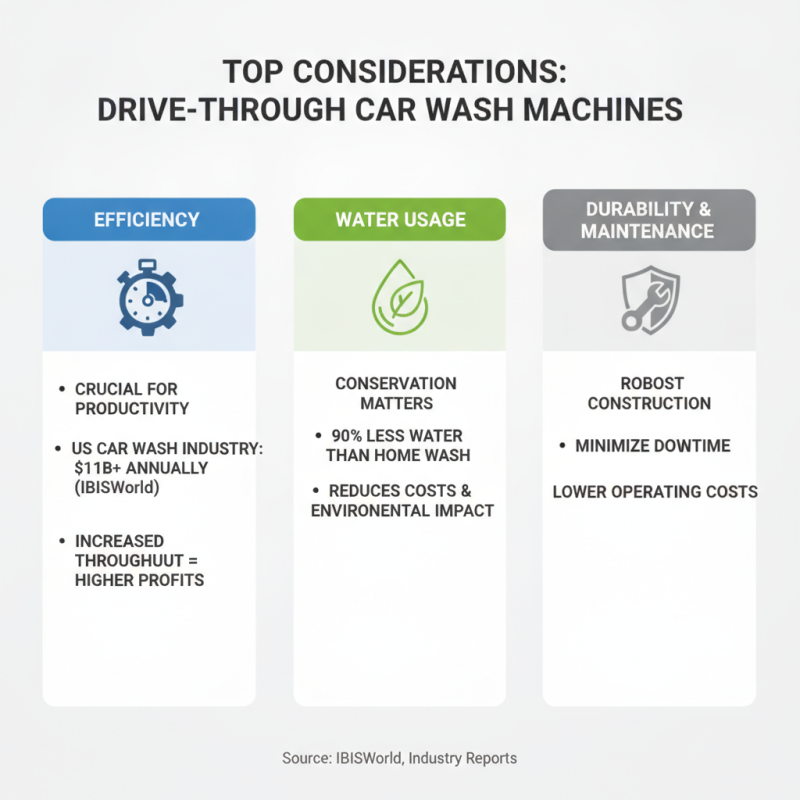
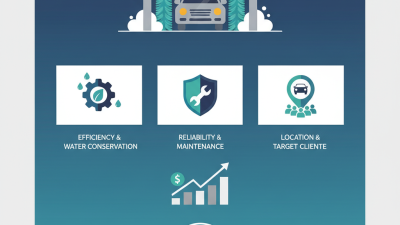
When selecting drive-through car wash machines, several key factors come into play. Efficiency is crucial. A study by IBISWorld shows that the car wash industry generates over $11 billion annually in the U.S. Effective machines can enhance productivity substantially. Consideration must also be given to water usage. The average car wash uses 90% less water than a typical home wash. Selecting machines that conserve water not only reduces costs but also lessens environmental impact.
Pricing is another vital factor to analyze. The initial investment in equipment can vary widely. Some operators opt for lower-cost units, but hidden costs for maintenance can add up. Prospective buyers should perform a thorough cost analysis, factoring in service contracts and operational expenses. User feedback on machine reliability is invaluable.
Tips: Evaluate the warranty options offered. A comprehensive warranty can save money long-term. Look into machines that offer diverse cleaning features. Offering additional services can attract more customers. Also, consider the space needed for the installation. Some sites may have constraints that affect equipment choices. Always revisit your choices based on performance and customer feedback. Being adaptable is key in a competitive industry.
Drive-through car wash systems offer significant advantages for businesses looking to enhance their services and customer experience. According to the International Carwash Association, over 65% of car washes in the U.S. are automated. This shift reflects customer preferences for convenience and efficiency. A well-designed drive-through wash can process vehicles quickly, reducing wait times for customers and increasing throughput for businesses.
Operational efficiency is another compelling benefit. Implementing a drive-through car wash can reduce labor costs by 30% compared to traditional hand-wash methods. With fewer employees required to operate these systems, businesses can redirect funds to improve service quality or invest in additional equipment. Furthermore, operating costs tend to be lower due to reduced water usage and chemical efficiency. Utilizing advanced technology in these systems ensures that vehicles receive a thorough clean while minimizing waste.
However, not all business models will benefit from such systems. For instance, locations with limited space might struggle to accommodate customers effectively. Additionally, customer preferences can vary widely. Some customers may still prefer hand washes for a more personalized experience. Understanding your target market is crucial before investing in drive-through technology. A clear assessment of your business goals will help you decide if a drive-through car wash fits your operational strategy.
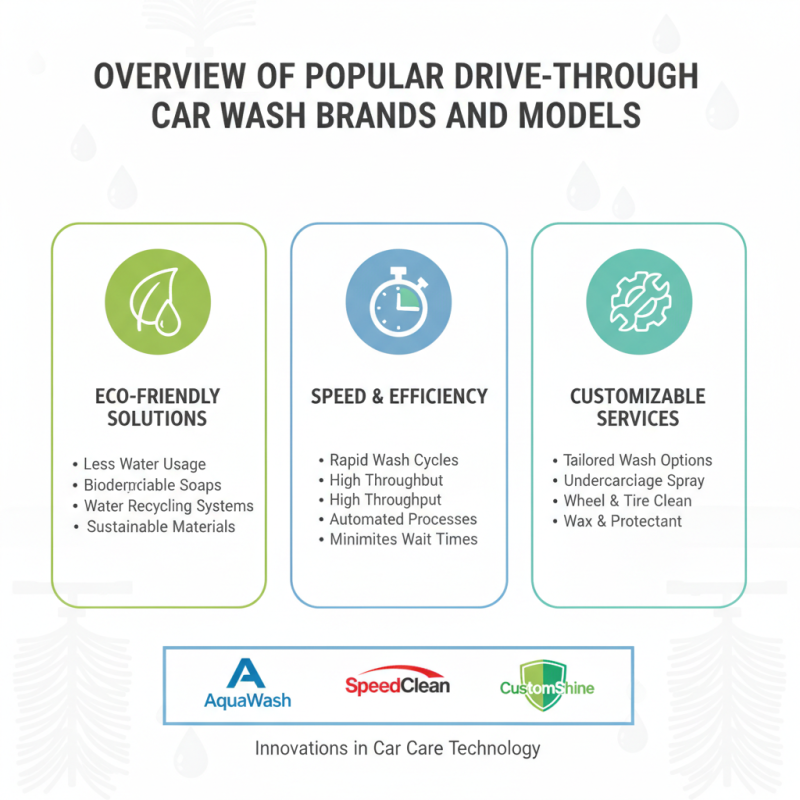
When exploring drive-through car wash machines, various brands and models stand out in the industry. These machines vary in size, functionality, and technology. Some focus on eco-friendly solutions, utilizing less water while delivering a thorough wash. Others emphasize speed, providing rapid wash cycles that cater to busy customers. Customizable settings allow for tailored services, ensuring customer satisfaction.
One notable trend in the market is the integration of advanced technology. Many modern machines feature touchless systems, which reduce the risk of scratches. Additionally, some incorporate automatic waxing and drying processes. However, not all models are created equal. While some machines are designed for heavy-duty use, others may struggle with high volumes. Regular maintenance is crucial for optimal performance, and not paying attention can lead to unexpected downtime.
The selection of a drive-through car wash model must consider customer needs and preferences. Some customers value a thorough cleaning over speed, while others prioritize quick services during their busy days. Balancing these aspects can be a challenging task. Researching competitive options and gathering customer feedback can refine this balance. In the end, the ideal machine will cater to specific business goals and consumer expectations, evolving over time to meet changing demands.
When choosing a drive-through car wash machine, several critical features should be at the forefront of your mind. Efficiency is key. Many machines can wash a car in under five minutes. Look for models with high throughput. This feature can significantly improve your business’s productivity.
Next, consider the cleaning technology used in the machine. Systems that employ touchless technology can prevent scratches and swirls. Brushes may reduce risk but require frequent maintenance. Equipment durability is crucial too. A robust design will withstand wear and tear over time, reducing repair costs.
Pay attention to user experience as well. Machines with easy-to-understand controls can enhance consumer satisfaction. A clear interface helps customers feel confident during the wash process. Inconsistent wash quality is another red flag. It can lead to complaints and lost customers. Assessing reviews and conducting site visits can help gauge performance reliability before making a purchase.
Maintaining drive-through car wash equipment is vital for ensuring smooth operations. Regular inspections and cleaning can prevent costly breakdowns and extend the life of your machines. You should check for wear and tear on brushes and nozzles. This not only improves performance but also enhances customer satisfaction.
Tips for maintenance include routine lubrication. Machine components need proper lubrication to operate effectively. You should follow the manufacturer's guidelines for the right intervals. Inspect the water pumps and filters frequently to prevent clogs. Clean water systems improve washing efficiency.
Don’t forget to monitor chemical levels. Using the right amount of cleaning agents is crucial. Too little might not clean properly, while too much can damage vehicles. Regular training for staff on equipment use is also beneficial. This enhances their capability to identify potential issues early.
| Machine Model | Wash Cycle Duration | Water Consumption (gallons) | Maintenance Frequency | User Ratings (out of 5) |
|---|---|---|---|---|
| Model A | 3 minutes | 20 | Weekly | 4.7 |
| Model B | 5 minutes | 30 | Monthly | 4.5 |
| Model C | 4 minutes | 25 | Weekly | 4.6 |
| Model D | 7 minutes | 40 | Bi-weekly | 4.8 |
| Model E | 6 minutes | 35 | Monthly | 4.4 |
| Model F | 5 minutes | 30 | Daily | 4.9 |
| Model G | 4 minutes | 18 | Weekly | 4.5 |
| Model H | 8 minutes | 45 | Bi-weekly | 4.1 |
| Model I | 6 minutes | 28 | Monthly | 4.3 |
| Model J | 5 minutes | 22 | Daily | 4.6 |