Top Automatic Car Wash Equipment Options for 2026?
As the automotive industry evolves, the demand for efficient cleaning solutions grows. Automatic Car Wash Equipment plays a vital role in this shift. In 2026, understanding the best options in this market will be essential for both business owners and consumers.
With advancements in technology, these systems offer speed and effectiveness. They save time and labor while delivering exceptional results. However, not all models are created equal. Some may lack reliability or efficiency, leading to customer dissatisfaction.
Investing in Automatic Car Wash Equipment requires careful consideration. Features like water usage and maintenance costs can significantly impact long-term value. Selecting the right equipment can boost profitability but demands thorough research and reflection on what truly meets your needs.
Overview of Automatic Car Wash Technology Advancements for 2026
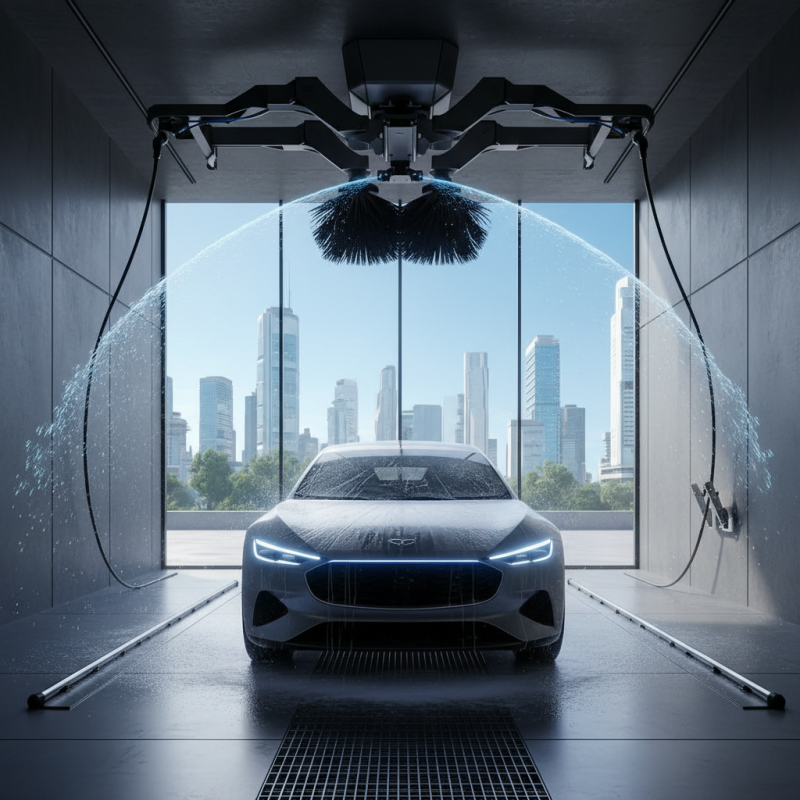
As we look ahead towards 2026, automatic car wash technology is set to see some exciting advancements. New systems are being developed that focus on efficiency and sustainability. These innovations include water recycling technologies that significantly reduce waste. Moreover, touchless wash systems continue to gain popularity. They rely on high-pressure water jets instead of brushes, minimizing potential damage to vehicle surfaces.
Moreover, artificial intelligence is making waves in this industry. AI-driven systems can analyze vehicle types and customize wash programs accordingly. This means a tailored experience for each car. Sensors will also be integrated to detect dirt levels, ensuring no car leaves unclean. However, not every facility can maintain these technologies. Some may struggle with the initial investment costs or necessary training for staff. It’s essential to reflect on how these challenges can impact service delivery.
Ultimately, the race for automation in car washing is about innovation and adaptation. While the road ahead is promising, businesses must address infrastructural and operational hurdles. Embracing such advanced technology is not a one-size-fits-all solution. Careful planning and investment are crucial for a successful transition.
Top Automatic Car Wash Equipment Options for 2026
Key Features to Look for in Automatic Car Wash Equipment
The market for automatic car wash equipment is evolving rapidly. By 2026, technology promises to enhance efficiency and customer satisfaction. When choosing equipment, several key features stand out.
One essential feature to consider is water efficiency. Reports indicate that efficient systems can save up to 50% in water usage, which is significant given rising environmental concerns. Another factor is the type of brushes used. Soft foam brushes are preferable as they reduce the risk of scratching. A system that supports multiple washing options can also attract more customers.
Tips: Look for equipment that offers real-time diagnostics. This ensures that any issues are detected early. Additionally, automatic payment systems are becoming a standard expectation. They can streamline the process and improve customer experience.
Investing in space-saving designs is wise. Compact systems can fit in tighter locations. However, they may require higher initial costs. Balance the benefits with budget constraints. Ultimately, understanding these key features sets you on the right path.
Top Automatic Car Wash Equipment Options for 2026
| Equipment Type |
Key Features |
Efficiency (Cars/hour) |
Water Usage (Gallons/wash) |
Average Cost ($) |
| Touchless Wash System |
High-pressure water jets, Less scratches |
20-30 |
15-25 |
$30,000 - $50,000 |
| Tunnel Wash System |
Multi-stage cleaning, High throughput |
40-70 |
20-35 |
$50,000 - $90,000 |
| In-Bay Automatic Wash |
Flexible, Space-efficient design |
15-25 |
10-20 |
$25,000 - $45,000 |
| Self-Service Wash Stations |
User-controlled, Cost-effective |
Variable |
5-15 |
$10,000 - $30,000 |
Top Automatic Car Wash Systems: A Comparative Analysis
As the car wash industry evolves, selecting the right automatic systems becomes crucial.
In 2022, a report indicated that the global market for car wash equipment
was valued at approximately $12 billion. Projections suggest it may reach
$17 billion by 2026, highlighting a significant growth trajectory.
One of the driving factors behind this expansion is consumer demand for convenient services.
People want quick, efficient washes without waiting.
Comparative analysis of different systems reveals notable differences.
Touchless car wash systems use high-pressure water and cleaning solutions.
They leave less residue but may not remove dirt as effectively as friction-based systems.
Industry data showed that friction washes can remove up to 90% of surface dirt,
while touchless systems typically range between 70-80%.
This leads to a debate among operators on efficiency versus quality, challenging assumptions about the best approach.
Furthermore, advancements in technology present both opportunities and challenges.
Some new models integrate smart technology for real-time monitoring.
Yet, the initial investment can be daunting.
Industry research indicates that many operators face difficulties justifying the costs.
While innovation is essential, balancing budget constraints with customer expectations
remains a complex task. This landscape requires careful consideration and analysis as the year 2026 approaches.
Cost Considerations and Budgeting for Automatic Car Wash Equipment
Investing in automatic car wash equipment requires careful budgeting. The average cost for a mid-range automatic car wash system is between $30,000 to $150,000. Prices can drastically vary based on features. High-tech models with advanced cleaning technologies may exceed this range. A detailed cost analysis is essential before making a purchase.
When planning your budget, consider installation costs. These might add another $10,000 to your investment. Additionally, maintenance expenses can reach up to 15% of the initial purchase price annually. It's crucial to set aside funds for repairs or upgrades over time.
Tips: Start with a clear financial plan. Research different financing options available in the market. Sometimes, leasing equipment can help manage cash flow effectively. Consider whether a lower upfront cost with limited features works better for you than investing in a premium model.
Understanding your clientele is also key. What services are they demanding? Optimize your equipment choices according to customer needs, and stay within your budget. A great deal isn’t always the best choice. Prioritize reliability and efficiency over unnecessary features. This approach may save you money in the long run.
Sustainability Trends in Automatic Car Wash Practices for 2026
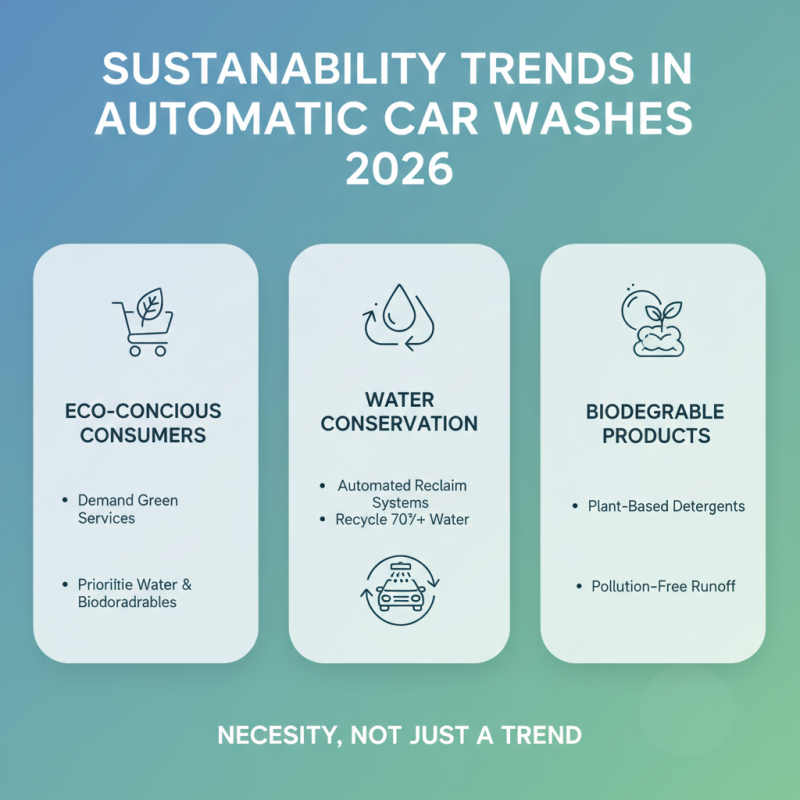
As 2026 approaches, sustainability in automatic car wash practices gains importance. Consumers are more eco-conscious than ever. They seek services that minimize water waste and use biodegradable products. Traditional washing methods can consume a significant amount of water. Meanwhile, automated systems are evolving to reclaim and recycle water. This shift is not just a trend but a necessity.
Effective car wash designs are incorporating more green technologies. Solar panels on wash facilities can provide clean energy, driving down operational costs. Some installations will feature rainwater harvesting systems. This not only helps the environment but can attract environmentally-minded customers. However, not every car wash will adopt these technologies. There are still barriers, such as initial investment costs and lack of awareness.
Many operators struggle with how to transition. Training staff on sustainable practices is vital but can be challenging. Not all employees understand the benefits of these changes. Feedback from customers is mixed; some value sustainability, while others prioritize speed and cost. Balancing those needs can be tricky. The journey to a more sustainable car wash industry will have bumps along the way. But the push for eco-friendly practices is undeniably reshaping the landscape.