Self Serve Car Wash Equipment Tips for Success?
In the growing landscape of the car wash industry, "Self Serve Car Wash Equipment" has emerged as a popular choice. According to recent studies by the International Carwash Association, self-service car washes account for about 20% of the total car wash market in the United States. This represents billions in annual revenue and offers significant potential for new and existing businesses.
Expert in the field, Mark Robinson, emphasizes that "the right equipment can make or break a self-serve car wash." His insights highlight the need for selecting quality equipment that meets customer expectations. It's essential to focus on factors such as durability, cleaning efficiency, and user experience to ensure success.
However, entering this market is not without challenges. Many operators overlook maintenance, leading to downtime and unsatisfied customers. Additionally, understanding consumer preferences can be tricky. Equipment needs must align with client expectations, requiring constant reflection and adaptation from owners. Investing in the right "Self Serve Car Wash Equipment" is crucial, but so is cultivating a responsive business strategy.
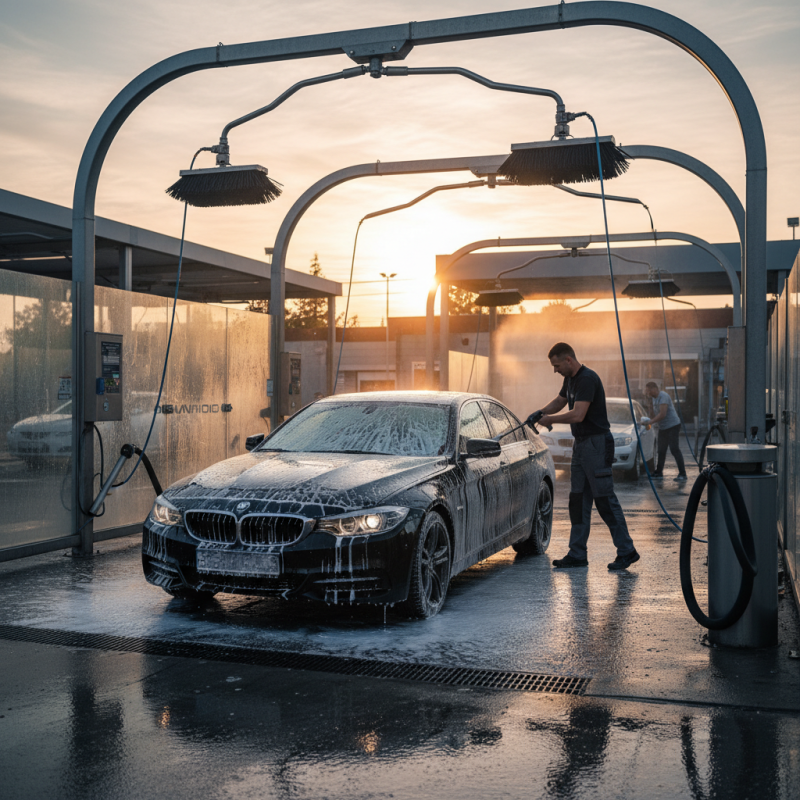
Understanding the Different Types of Self Serve Car Wash Equipment
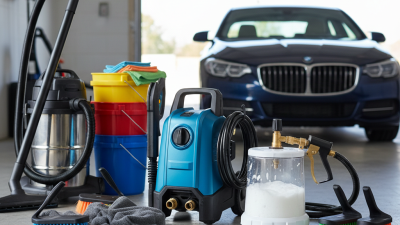
When considering self-serve car wash equipment, it's essential to understand the different types available. Basic setups include high-pressure wash systems, foam applicators, and rinse options. Each piece has unique benefits, yet they need proper maintenance. Over time, neglect can lead to decreased performance.
High-pressure washers effectively remove dirt but can deteriorate without regular checks. Foam applicators, which deliver cleaning agents, sometimes clog. Regular cleaning of nozzles is necessary. Rinsing systems must ensure that water quality meets standards. Otherwise, residues might remain on vehicles.
It's also vital to consider user experience. Clear signage helps guide customers. Without it, confusion may arise, leading to mistakes in using the equipment. Observing user interactions can provide insights. Are users struggling? Watching them can highlight areas needing improvement. Noticing these details enhances service quality and equipment longevity.
Self Serve Car Wash Equipment Types and Utilization
This chart illustrates the frequency of usage for various types of self-serve car wash equipment. Pressure washers are the most commonly used equipment, followed by foam brushes and vacuum units. Understanding the utilization rates can help operators optimize their equipment selection for better service quality.
Key Features of High-Quality Self Serve Car Wash Systems
When considering self-serve car wash systems, quality features play a crucial role. High-pressure washers are essential. They should deliver consistent and robust water flow. Look for adjustable nozzles. They allow users to choose spray patterns. This flexibility enhances the washing experience. Durable hoses are equally important. Ensure they can withstand the rigors of daily use without degrading.
Automatic payment systems can streamline operations. They reduce the need for on-site staff. However, some users struggle with technology. A simple payment process is key. It minimizes frustration and encourages more customers. Lighting is another vital aspect. Well-lit areas improve safety and visibility. It’s frustrating for customers to clean a car in poor light.
Regular maintenance checks are necessary for success. Equipment can suffer wear over time. Neglecting these issues can lead to bigger problems. You might find that customers are dissatisfied. This can harm your business reputation. Keep an eye on user feedback. Understanding their experience is essential for improvement. It’s a balance between quality features and customer needs.
Self Serve Car Wash Equipment Tips for Success
| Feature |
Description |
Importance |
| Durability |
High-quality materials should be used to withstand harsh weather and frequent use. |
Ensures long-term reliability and reduces maintenance costs. |
| Ease of Use |
User-friendly controls and interfaces for customers. |
Enhances customer satisfaction and encourages repeat business. |
| Water Efficiency |
Systems designed to minimize water use without sacrificing cleaning quality. |
Saves on water bills and promotes environmental sustainability. |
| Versatile Options |
Multiple cleaning stages such as pre-soak, foam, rinse, and wax. |
Allows customers to customize their car wash experience. |
| Payment Flexibility |
Support for various payment methods like credit cards, mobile payments, and tokens. |
Increases convenience and potential sales. |
| Effective Cleaning Chemicals |
Use of high-quality soaps and waxes for effective cleaning and protection. |
Boosts cleaning performance and customer satisfaction. |
Industry Standards and Safety Regulations for Car Wash Facilities
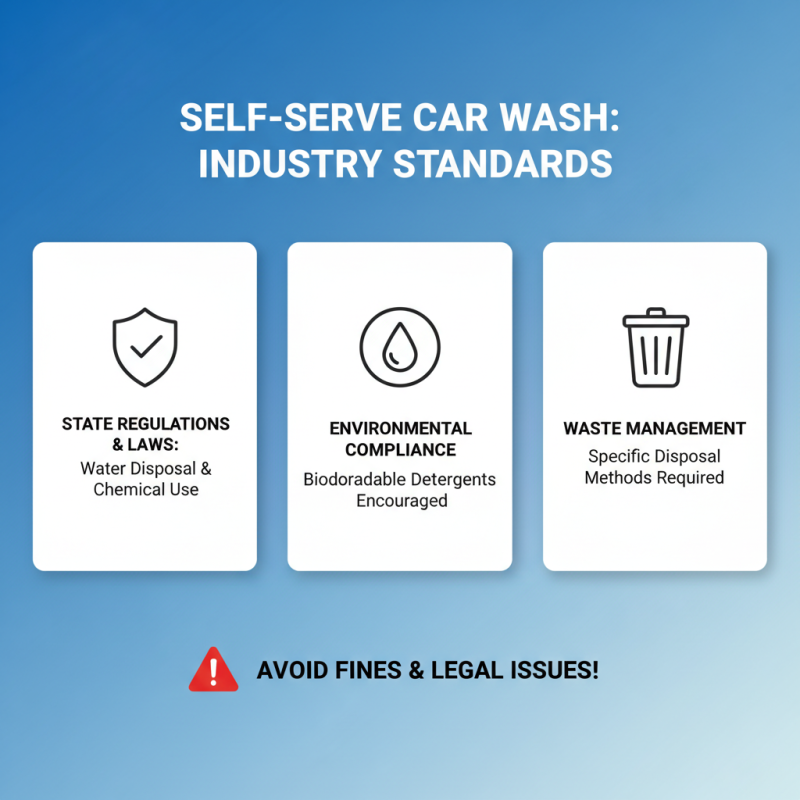
When setting up a self-serve car wash, understanding industry standards is critical. Every state has different regulations regarding water disposal and chemical use. Knowledge of these local laws can help avoid hefty fines and legal troubles. For instance, using biodegradable detergents is often encouraged. Some areas may require specific waste disposal methods.
Safety regulations also play a big role in car wash operations. It's essential to ensure that equipment is well-maintained and regularly inspected. A malfunctioning pressure washer can pose a danger to users. Clear signage in the wash area is necessary to guide customers and warn them of slippery surfaces. Providing protective gear, like gloves and eyewear, can enhance safety.
However, balancing compliance with operational efficiency is challenging. Many owners struggle with maintaining standards while keeping costs low. Regular staff training can help, yet it often gets overlooked. The importance of adhering to safety measures should never be underestimated, even if it seems burdensome at times. Achieving a successful self-serve car wash requires constant reflection on these safety protocols and adapting to new regulations.
Cost Analysis: Initial Investment vs. Long-Term Returns in Car Wash Business
Starting a self-serve car wash can be appealing. However, understanding the cost is crucial. The initial investment involves equipment, supplies, and setup costs. It can be a hefty sum. You must buy wash bays, pressure washers, and soap dispensers. These expenses can add up quickly.
Now, let’s consider long-term returns. Once set up, these businesses can generate steady income. Yet, maintenance costs are often overlooked. Equipment will need repairs over time. Supplies must be replenished regularly. Unexpected expenses can arise, impacting profit margins. Evaluating these factors is essential for sustainability.
Reflecting on your budget is necessary. Can you afford the risks? Will the market support another car wash? While it’s enticing to envision profits, the reality requires careful planning. Balancing initial costs with potential returns can determine long-term success. Making informed decisions is key.