10 Essential Tips for Choosing the Right Car Wash Machine for Your Needs
When it comes to maintaining the appearance of your vehicle, selecting the right car wash machine is crucial for achieving the best results. With a plethora of options available in the market, understanding your specific needs and preferences can be overwhelming. Whether you are a professional detailing enthusiast or simply looking to keep your car in pristine condition, a suitable car wash machine can streamline the cleaning process, saving you both time and effort.
In this guide, we will explore ten essential tips to help you choose the perfect car wash machine for your requirements. From understanding the different types available to considering factors such as power, efficiency, and ease of use, this information will empower you to make an informed decision. By taking the time to evaluate your options, you can ensure that the car wash machine you select not only meets your expectations but also enhances your vehicle care routine, leading to a satisfactory and long-lasting shine.
Understanding Different Types of Car Wash Machines Available on the Market
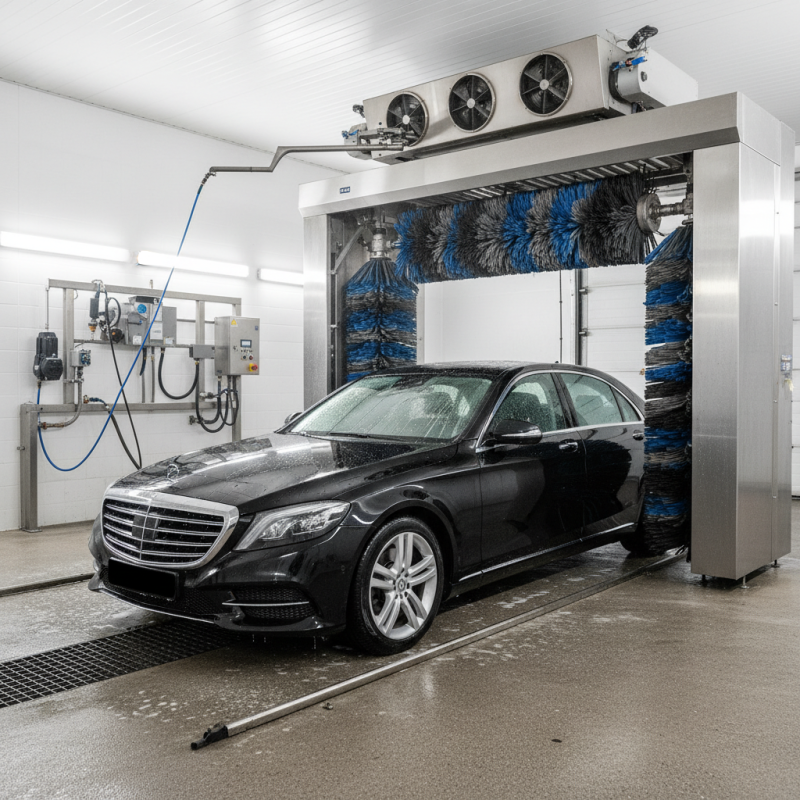
When it comes to selecting a car wash machine, it's essential to understand the different types available on the market. Each type caters to specific needs, and making the right choice can enhance efficiency and customer satisfaction. The most common categories include automatic, manual, and self-service machines. Automatic car wash machines are designed for quick and consistent washing, utilizing advanced technology to provide thorough cleaning with minimal labor. They are ideal for businesses looking to maximize throughput while minimizing operational costs.
Manual car wash machines, on the other hand, allow for more hands-on cleaning, which can be appealing to customers who prefer a personalized touch. These machines often include pressure washers and foam applicators, requiring skilled staff to operate them effectively. Self-service car wash machines offer flexibility for customers who prefer to wash their vehicles at their own pace. Typically equipped with various cleaning settings, these machines allow users to select the desired wash options, from rinsing to waxing, contributing to an enjoyable car cleaning experience. Understanding these distinctions is key to selecting a machine that aligns precisely with your business model and customer preferences.
Types of Car Wash Machines and Their Features
Evaluating Your Budget and Cost Considerations for Car Wash Machines
When evaluating your budget for a car wash machine, it’s crucial to consider both the upfront costs and the long-term expenses associated with operation and maintenance. Start by determining your maximum investment limit, keeping in mind the various features that different machines offer. Machines with advanced technology and high efficiency may have a higher initial price, but they could result in significant savings over time due to reduced water usage and lower energy bills. Ensure you gather quotes and compare pricing from multiple suppliers to get a comprehensive view of your options.
In addition to the initial purchase cost, consider the ongoing costs such as equipment maintenance, cleaning supplies, and potential repairs. Choose a machine that strikes a balance between quality and affordability, ensuring durability without sacrificing performance. Additionally, it’s wise to account for the cost of installation, which can vary depending on the complexity of the machine and whether specialized service is needed.
By carefully mapping out these budgetary components, you can make an informed decision that aligns with your financial capabilities while fulfilling your car wash needs effectively.
Assessing the Size and Space Requirements for Installation
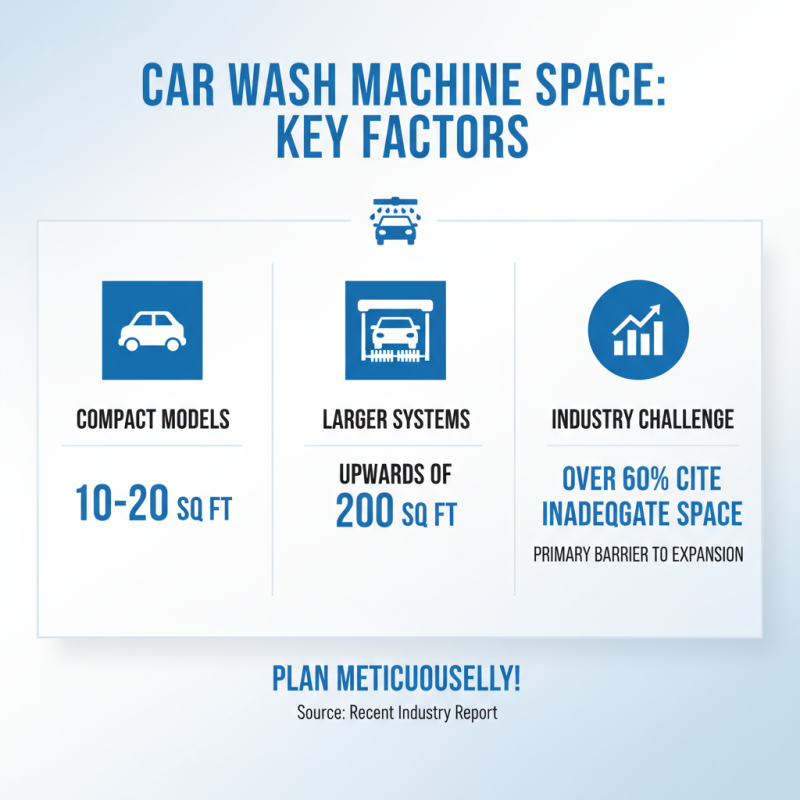
When assessing the size and space requirements for installing a car wash machine, it is crucial to evaluate both the physical dimensions of the equipment and the layout of your facility. A typical car wash machine can range from compact models requiring as little as 10-20 square feet, to larger systems needing upwards of 200 square feet. According to a recent industry report, more than 60% of car wash operators cite inadequate space as a primary barrier to expansion, underscoring the importance of meticulous planning.
Tip: Before finalizing your choice, measure your space carefully, considering overhead clearance and access routes for vehicles. Additionally, allow room for safe operation, maintenance, and potential future upgrades.
Another essential factor is the configuration of your location. Lay out your design with vehicle flow in mind, ensuring that the machine installation does not disrupt service efficiency. Studies show that effective design can improve operational productivity by up to 30%, highlighting the necessity of strategic space allocation.
Tip: Consult with a professional installer to ascertain optimal placement based on your specific site conditions, ensuring the machine operates smoothly while maximizing customer throughput.
Analyzing the Features and Technology in Modern Car Wash Machines
When selecting the right car wash machine for your needs, understanding the features and technology available in modern systems is crucial. Today’s car wash machines incorporate advanced technology, such as automated sensors, sophisticated wash programs, and eco-friendly options, which enhance both the efficiency and quality of the wash. For instance, machines equipped with touchless cleaning technology minimize the risk of scratching the vehicle's surface while effectively removing dirt and grime. Investing in a machine with programmable settings allows operators to customize wash cycles based on vehicle types and customer preferences.
Tip: Consider the maintenance requirements of the machine. Some systems may require frequent calibrations or replacements of certain components, which can lead to increased operational costs over time. Choosing a machine that is easily maintainable can save both time and money.
In addition to technological features, it is important to evaluate safety enhancements, such as safety shut-off mechanisms and emergency stop buttons. These features can prevent accidents and ensure the safe operation of the machine in busy environments. Opting for machines that offer real-time monitoring can also help track performance and promptly identify issues, further ensuring a seamless car wash experience.
Tip: Assess the machine's compatibility with various cleaning agents. Modern car wash machines that support a wide range of eco-friendly detergents not only contribute to better environmental practices but also appeal to a growing customer base that values sustainability.
Choosing Between Manual and Automatic Car Wash Solutions for Your Needs
When selecting the right car wash solution, the choice between manual and automatic systems is pivotal. Manual car wash operations often attract customers seeking personalized service and detailed cleaning. According to the International Carwash Association, facilities offering hand-washing tend to generate 20% more revenue per vehicle than those relying solely on automatic systems. This detail suggests that a manual setup can cater to niche markets, particularly among those who prioritize meticulous care for their vehicle.
On the other hand, automatic car wash systems often provide speed and efficiency, appealing to customers looking for convenience. Research indicates that 70% of consumers prefer the quick turnaround offered by automatic washes, particularly in urban environments where time is a premium commodity. Moreover, advancements in technology have led to the development of more sophisticated automatic machines that can handle intricate cleaning tasks without causing damage to the vehicle. Such systems often report a higher throughput, able to wash up to 120 cars per hour compared to the 30-50 vehicles serviced by manually operated washes. This efficiency not only satisfies consumer demand but also enhances operational profitability, making automatic solutions a strong contender for many car wash businesses.
10 Essential Tips for Choosing the Right Car Wash Machine for Your Needs
| Tip Number |
Tip Description |
Recommended Type |
Cost Range |
| 1 |
Assess your wash volume needs |
Both |
$2,000 - $50,000 |
| 2 |
Consider available space |
Automatic |
$10,000 - $100,000 |
| 3 |
Evaluate upfront and operating costs |
Both |
$5,000 - $80,000 |
| 4 |
Research customer preferences |
Manual |
$1,500 - $15,000 |
| 5 |
Look for energy and water efficiency |
Automatic |
$10,000 - $60,000 |
| 6 |
Check for necessary certifications |
Both |
Varies |
| 7 |
Assess machinery durability and warranty options |
Both |
Varies |
| 8 |
Explore ease of maintenance |
Automatic |
$5,000 - $90,000 |
| 9 |
Inquire about available upgrades and features |
Automatic |
$10,000 - $100,000 |
| 10 |
Consider brand reputation and customer service |
Both |
Varies |