How to Choose the Best Pressure Car Wash Machine for Your Needs?
When considering a Pressure Car Wash Machine, it's essential to make an informed choice. The global pressure washer market was valued at $2.9 billion in 2021, with a projected annual growth rate of 4.5% through 2028. Individuals and businesses alike recognize the value of efficient car cleaning systems.
Selecting the right machine involves understanding the power, efficiency, and features that suit your specific needs. A well-chosen pressure car wash machine can reduce water usage by up to 80% compared to traditional methods. This not only boosts convenience but also promotes eco-friendliness.
Yet, the technology is not without flaws. Some machines may underperform, leaving stubborn dirt behind. User reviews often highlight the importance of proper maintenance. Informed decisions can lead to improved performance and longevity. Investing the time to research can yield a machine that meets your expectations and enhances your car care routine.
Understanding Different Types of Pressure Car Wash Machines
When selecting a pressure car wash machine, understanding the types available is crucial. There are generally two categories: electric and gas models. Electric machines are quieter and better for small jobs, while gas units offer more power. If you wash frequently, a gas model could be worth the investment. However, electric versions require less maintenance and are more user-friendly.
Another aspect to consider is the pressure rating. Measured in PSI (pounds per square inch), this determines how effectively dirt and grime are removed. A higher PSI might seem ideal, yet it's not always necessary for routine cleaning. Sometimes, an overly powerful machine can damage your vehicle's surface. It’s important to find a balance that matches your needs without risking harm.
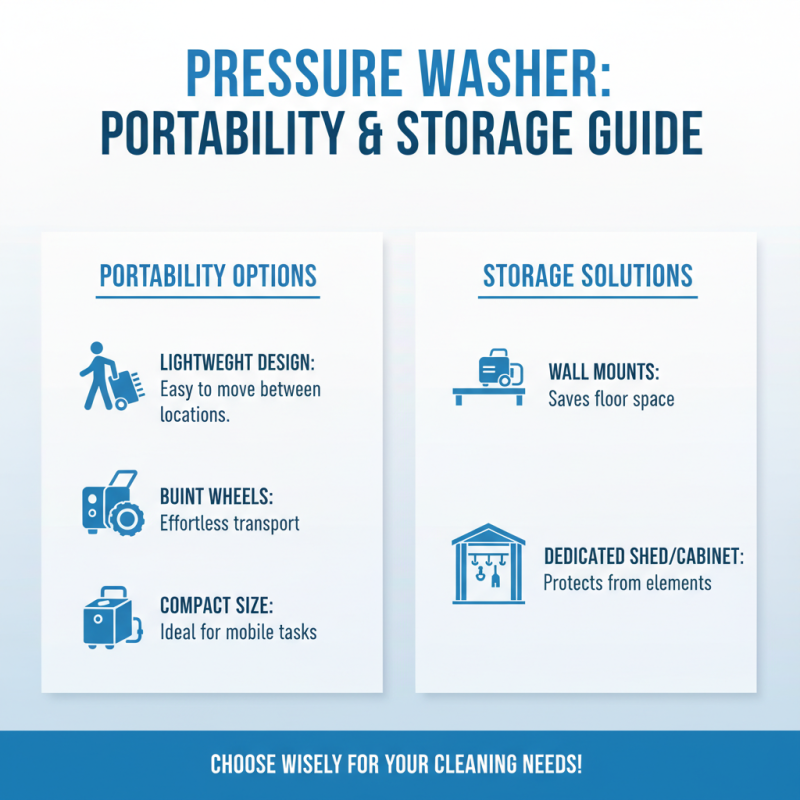
Also, consider portability. Larger machines may perform better, but they can be cumbersome. A smaller, more mobile option can make washing easier, especially in tight spaces. Think about where and how often you’ll use it. Reflecting on these factors will lead to a more suitable choice for your car washing requirements.
Key Features to Consider When Choosing a Pressure Car Wash Machine
Choosing the right pressure car wash machine requires careful consideration of key features. The pressure rating, measured in PSI (pounds per square inch), is crucial. A higher PSI means more cleaning power. For most car owners, a machine with 1500 to 2000 PSI is suitable. It strikes a balance between efficiency and safety for your vehicle's delicate surfaces.
Also, the flow rate, measured in GPM (gallons per minute), affects how quickly you can wash your car. Look for a unit with at least 1.2 GPM. This ensures effective rinsing without excessive water usage. Consider the weight and portability of the machine. Heavier models can be cumbersome, while lighter ones might lack durability.
Attachments and nozzles enhance versatility. Different spray patterns allow you to tackle tough dirt while protecting your paint. However, not all machines come with a variety of attachments. Reflect on your washing habits. Will you primarily wash cars or use it for other tasks? This question influences your choice immensely. Inadequate research may lead to purchasing a machine that doesn't meet your needs. Always assess your expectations and be ready to adjust based on what features are most valuable for you.
Pressure Car Wash Machine Features Comparison
Determining the Right Pressure and Flow Rate for Your Needs
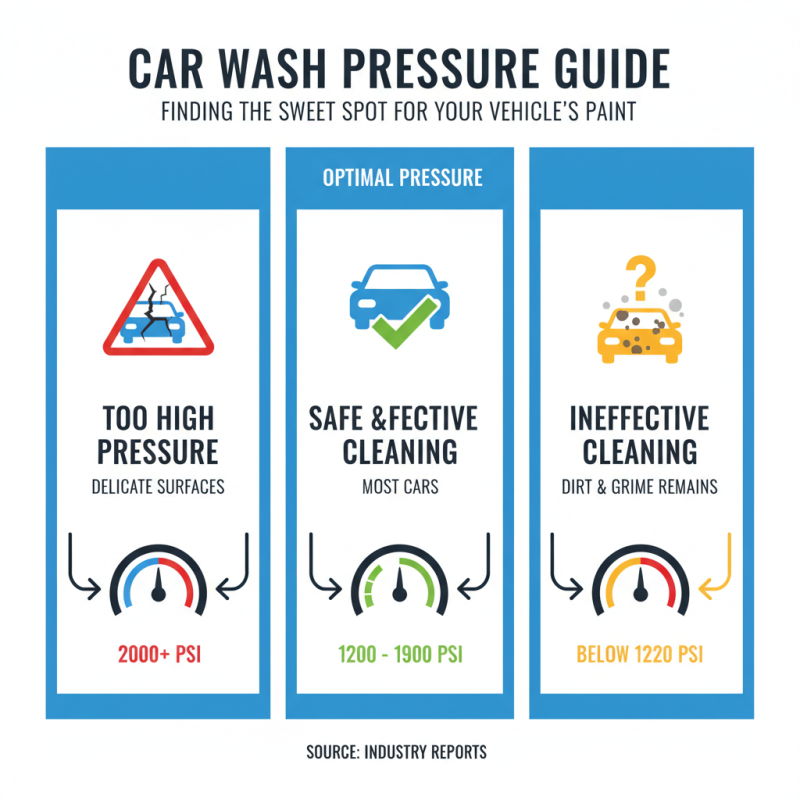
Choosing the right pressure and flow rate is crucial when selecting a car wash machine. A machine with too high a pressure can damage a vehicle's paint. This is especially true for delicate surfaces. According to industry reports, optimal pressure ranges between 1200 to 1900 PSI for most cars. This balance ensures effective cleaning without causing harm.
Flow rate, measured in gallons per minute (GPM), also plays an essential role. Higher flow rates can wash away dirt faster. Machines with 1.4 to 2.5 GPM are common for residential use. Nonetheless, a lower GPM can be sufficient for lighter cleaning tasks. Understanding how often you'll use the machine can help. A commercial setting might need higher pressure and flow rates.
Personalizing your choice based on specific needs is key. Evaluating the surfaces you'll clean is needed. For example, cleaning a truck demands different settings than a sports car. Moreover, many users overlook the importance of maintenance. Regularly checking pressure settings and flow rates can prevent issues. Ignoring these details may lead to unsatisfactory cleaning results.
Budgeting: Finding the Best Value for Your Pressure Car Wash Machine
When budgeting for a pressure car wash machine, consider your specific needs. Think about the frequency of use, the types of vehicles you'll clean, and the level of dirt you’ll encounter. Finding the best value means more than just looking at the price tag. You need to assess the features that matter most to you.
Tips: Research online reviews to gauge customer satisfaction. Look for machines with warranties, as they indicate manufacturer confidence. Consider energy efficiency as a cost-saving measure over time.
Decide if you want a portable model or a stationary one. Portable units offer flexibility, while stationary machines usually provide more power. Balance your budget against the capabilities you need. Sometimes, spending slightly more on a reliable model can save you from frequent repairs or replacements. Be cautious not to let a low price cloud your judgment.
Tips: Create a list of must-have features. This will help you stay focused while shopping. Visit local stores to physically assess machines if possible, which can reveal hidden flaws. Take your time; a rushed decision may lead to buyer's remorse.