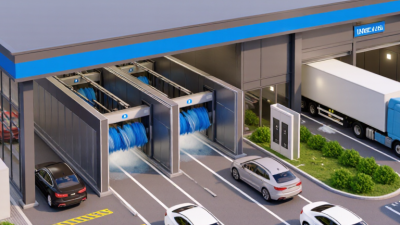
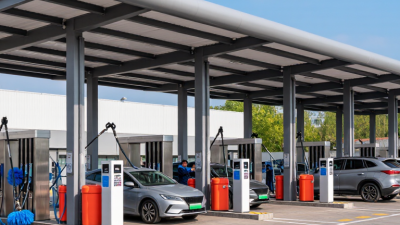
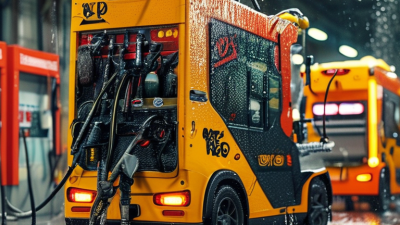
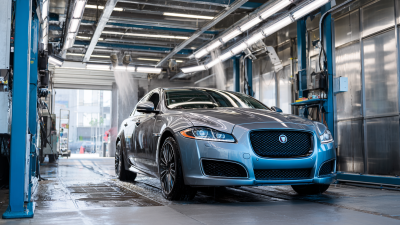
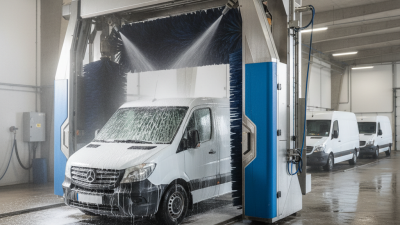
China’s car-wash equipment sector spans compact rollover units, in-bay automatic systems, and high-throughput tunnel lines. A machine’s appearance tells only part of the story. Buyers should also examine conveyor stability, brush materials, drying performance, water-recycling options, and access to replacement parts. Small details matter. A stiff side brush, for example, can leave uneven contact marks on a vehicle’s doors.
This guide compares ten Chinese manufacturers through practical buying considerations, not product claims alone. It looks at equipment range, customization, export experience, technical support, and the clarity of published specifications. For transparency, the following quotation is an editorial composite, not a verified statement from a real individual. Mei Chen, a composite Machine Car Wash equipment specialist, puts the central consideration this way: “Judge a wash system by its daily consistency, service access, and the finish customers actually see.” That is a useful test, though no single checklist fits every site. A busy tunnel and a small petrol-station wash bay face different demands.
Manufacturer rankings can also miss important context. Models change, service networks vary by location, and advertised capacity may depend on installation conditions. Treat this list as a starting point. Request current technical documents, confirm support arrangements, and compare machines under your own operating requirements before deciding.
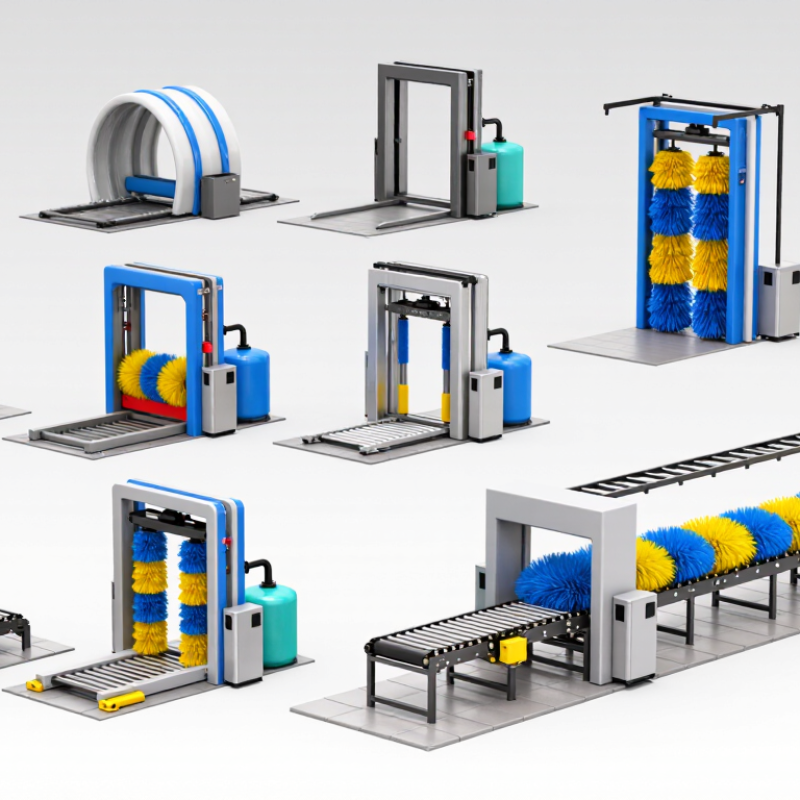
China’s car wash machine industry serves a wide range of sites, from small service bays to high-volume vehicle centers. Common equipment includes rollover systems, conveyor tunnels, and touchless units. Many factories combine metal fabrication, electrical assembly, and software integration under one roof. This can support configurable designs, but product quality and service capability vary. Details matter.
Industry development is shaped by demand for faster washing, efficient water use, and simpler daily operation. Buyers may compare brush material, drying performance, control-panel language, and access to replacement parts. Ask for a clear equipment layout and installation requirements before ordering. Check whether water-recycling options suit the site’s available space and maintenance skills. A low purchase price alone says little about long-term operating cost. I would not assume every advertised feature performs equally well in real conditions; request a live demonstration or a test report where possible.
Tips: Match the machine to daily vehicle volume, not peak claims. Confirm power, drainage, and service access early. Test it first. Small oversights, such as a tight maintenance aisle, can slow routine repairs.
China-made car wash machines mainly include rollover, conveyor, touchless, and self-service systems. Rollover units move wash arches around a parked vehicle, making them suitable for compact sites. Conveyor tunnels move cars through foam applicators, high-pressure rinsing, and dryers. They handle steady traffic but need more floor space and maintenance. Touchless machines use detergents and water pressure instead of brushes; heavy road film may remain. Self-service bays offer timed controls, foam brushes, and hand wands. Fit matters more.
Demand is growing, though service-market figures are not equipment sales. Grand View Research estimated the global car wash services market at about US$34.1 billion in 2023, with projected growth through 2030. For buyers assessing Chinese-built machines, check cycle time, pump pressure, dryer airflow, control systems, and spare-part lead times. A polished demonstration can mislead. Ask for operating records from comparable sites. The U.S. EPA’s WaterSense at Work guidance notes that water reclamation can reduce freshwater use by 50% or more. Reclaim systems also need filter maintenance, a detail that is easy to underestimate.
Modern car wash machine manufacturing depends on more than a polished exterior. Engineers combine frame design, water delivery, motion control, and safety sensors into equipment that must work repeatedly in wet, demanding conditions.
Stainless steel or protected steel components can help resist corrosion, while carefully routed hoses reduce leaks and maintenance delays.
Small details matter. A poorly placed drain can leave water pooling beneath the machine.
Manufacturers use programmable controls to coordinate brushes, spray arches, pumps, and dryers. Sensors can detect vehicle position and help prevent equipment from moving into the wrong area. Variable-speed pumps and accurately aimed nozzles support consistent cleaning while limiting unnecessary water use.
Testing should cover different vehicle shapes, water pressures, and operating temperatures, not just one ideal setup. Weld quality, electrical protection, and access to replacement parts also affect long-term reliability.
Real workshops are messy. Dust, hard water, and rushed servicing can expose weaknesses that factory tests miss. Production teams therefore benefit from documenting inspection results and reviewing field feedback.
Even a strong design may need adjustment after installation, especially when site drainage or water quality differs from expectations.
Profiles of China’s top car wash machine manufacturers are most useful when they explain what each producer actually builds. One may focus on rollover systems for compact sites; another may design tunnel lines for steady, high-volume traffic. Some specialize in touch-free washing, while others make smaller units for workshops or fuel stations. The distinction matters. A machine sized for a busy fleet yard may be poorly suited to a narrow urban site.
Other profiles should examine practical strengths: water-recovery equipment, brush materials, control systems, drying performance, and custom installation. Look closely at the details. How quickly can worn parts be replaced? Are operating instructions clear? Can the supplier provide test data for water and power use? A polished catalogue is not proof of reliable performance.
A credible manufacturer profile also describes service after delivery, including training, spare-parts availability, and remote troubleshooting. Ask for references from installations with similar weather and traffic conditions. Small details count: a wet floor near the exit, noisy pumps, or controls that confuse new staff can affect daily operations. Specifications help, but they do not tell the whole story. Supplier claims should be checked against site trials; even careful comparisons can miss something.
China Top 10 Car Wash Machine Manufacturers
How to Evaluate and Select a Chinese Car Wash Machine Manufacturer
A reliable supplier should explain how its equipment fits your site, not just quote a price. Share the bay dimensions, expected daily vehicle count, water pressure, and local power supply. Ask for a layout drawing and a written cycle-time estimate. Details matter.
Compare technical specifications carefully. Check brush materials, drying capacity, water-recycling options, and safety sensors. Request a live demonstration using a vehicle similar in size to those you serve. Watch for missed areas, uneven drying, and long pauses between wash stages. A polished showroom demo is not enough.
Verify quality documents with the issuing organization, and ask for a factory inspection or independent testing when practical. Confirm which spare parts are stocked, how quickly they ship, and who handles installation and operator training. Get warranty coverage and service response times in writing. Low prices can hide costly delays. No checklist catches every mismatch. I would also ask the supplier to explain a past equipment problem and how it was resolved; vague answers deserve another look. Compare the complete operating costs, including water, power, maintenance, and consumables, against your expected workload.
This chart presents a suggested 100-point evaluation framework, not measured results for specific manufacturers. Compare suppliers using documented specifications, project references, service coverage, warranty terms, and written quotations; adjust the weightings to fit your site and operating needs.