Best Pressure Car Wash Machine Options for Your Vehicle?
A Pressure Car Wash Machine can transform your car cleaning routine. With an increasing number of vehicle owners seeking convenience, the demand for effective pressure washers has surged. According to industry reports, the global market for pressure washers is expected to reach $2 billion by 2027. This growth showcases the shift toward high-performance cleaning equipment.
Investing in a quality Pressure Car Wash Machine not only saves time but also ensures thorough cleaning. Many options available today boast impressive PSI levels and water flow rates. However, selecting the right model can be overwhelming. Different machines offer varying features, catering to diverse needs.
It’s essential to recognize that not all pressure washers perform equally. Some models may cause damage to your vehicle’s surface if used incorrectly. Additionally, maintenance and proper usage are key to maximizing performance. Embracing the right cleaner will elevate your car maintenance experience while reflecting on choices that matter.
Understanding Pressure Car Wash Machines: Key Features to Consider
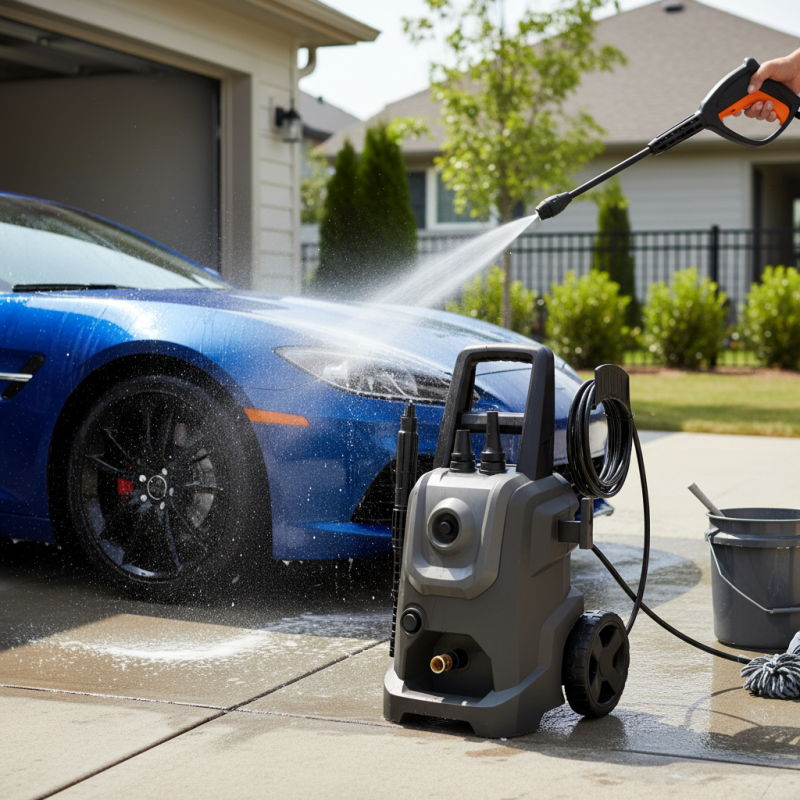
When choosing a pressure car wash machine, understanding the key features is essential. The power output, measured in psi (pounds per square inch), directly affects cleaning efficiency. For most vehicles, a pressure ranging from 1500 to 3000 psi is adequate. Higher pressure can damage delicate surfaces. Always check the specifications.
Another critical aspect is the flow rate, typically measured in gallons per minute (GPM). Most effective cleaners operate between 1.5 to 3 GPM. A higher flow rate ensures faster cleaning but can be overkill for smaller jobs. It's important to balance power with need. Many users face challenges in assessing their specific requirements.
Ease of use matters too. Lightweight models may be simpler to maneuver but could lack power. Meanwhile, heavier machines often require more effort to manage. Some reports suggest users tend to underestimate the weight and may struggle during operation. A comfortable handle and a retractable cord can make a significant difference in usability.
Types of Pressure Washers: Electric vs. Gas-Powered Options
When choosing a pressure car wash machine, understanding the difference between electric and gas-powered options is crucial. Electric pressure washers are often lighter and quieter. They are ideal for smaller tasks like washing cars at home or cleaning patios. You can plug them in and start washing within minutes. However, they may lack the power needed for heavy-duty jobs.
Gas-powered pressure washers pack more power. They can tackle tough grime and larger surfaces effectively. The mobility they offer is a major plus for outdoor cleaning. However, they can be heavier and require more maintenance. Fuel levels must be checked, and they produce noise and emissions. This might not sit well for environmentally conscious users.
Choosing between these types often involves balancing convenience and power. You might find electric models more user-friendly. But gas options can deliver results that electric machines can’t match. Think about the tasks you need to accomplish. Would you prefer ease of use or the ability to clean larger areas? Each option has its pros and cons to consider thoughtfully.
Best Pressure Car Wash Machine Options for Your Vehicle
| Type |
Power Source |
Max Pressure (PSI) |
Flow Rate (GPM) |
Weight (lbs) |
Ideal Use |
| Electric |
Electricity |
1500 |
1.4 |
30 |
Home use, light-duty |
| Electric |
Electricity |
1800 |
1.5 |
35 |
Medium-duty cleaning |
| Gas |
Gasoline |
3200 |
2.5 |
70 |
Heavy-duty cleaning, commercial use |
| Gas |
Gasoline |
4000 |
3.0 |
80 |
Industrial use, tough jobs |
| Electric |
Electricity |
2200 |
1.8 |
45 |
Car washing, gardening |
Choosing the Right PSI and GPM for Optimal Car Cleaning
Choosing the right PSI and GPM is crucial for effective car cleaning. PSI (pounds per square inch) refers to the pressure output of the machine, while GPM (gallons per minute) indicates water flow rate. A higher PSI can remove tough dirt and grime, but it may also damage delicate surfaces. For most vehicles, a PSI range between 1200 and 1900 is ideal for balancing cleaning power and safety.
When selecting a pressure washer, consider GPM. A higher GPM leads to quicker washing because it delivers more water. However, too much water pressure can lead to oversaturation. Finding a balance in these metrics is key. For instance, a machine with 1500 PSI and 1.4 GPM works well for regular cleaning. But you might encounter issues if the GPM is too low; it could extend your cleaning time significantly.
It's essential to recognize that not all cleaning needs are the same. Some cars may require less aggressive cleaning techniques. Think about the paint condition and any accessories on your vehicle. A delicate surface might need lower PSI but a higher GPM. It's a bit of a dance, adjusting settings and learning from each wash. Discovering the right combination takes time and experimentation. Don't be afraid to test and refine your choices as you go.
Essential Accessories for Enhancing Your Pressure Car Wash Experience
When enhancing your pressure car wash experience, accessories play a crucial role. A good foam cannon can create thick suds, which helps to lift dirt from the surface. It’s satisfying to see the foam cling to your vehicle, promising a deep clean.
A quality wash brush can also make a big difference. Look for one with soft bristles to avoid scratching the paint.
Don’t overlook the importance of a sturdy hose. A lightweight, kink-resistant hose allows for easy movement around the vehicle. After washing, a microfiber drying towel can prevent water spots. These towels absorb moisture well and are gentle on surfaces.
A pressure gauge can also enhance your experience. It ensures that the right pressure is maintained, maximizing cleaning performance. While it may seem unnecessary, having one gives peace of mind. Remember, the wash process can be rewarding, yet it often leads to some difficult-to-reach areas. You may find yourself needing to do touch-ups. Embrace those imperfections; they help you learn for next time.
Top Recommended Pressure Car Wash Machines for Different Budgets
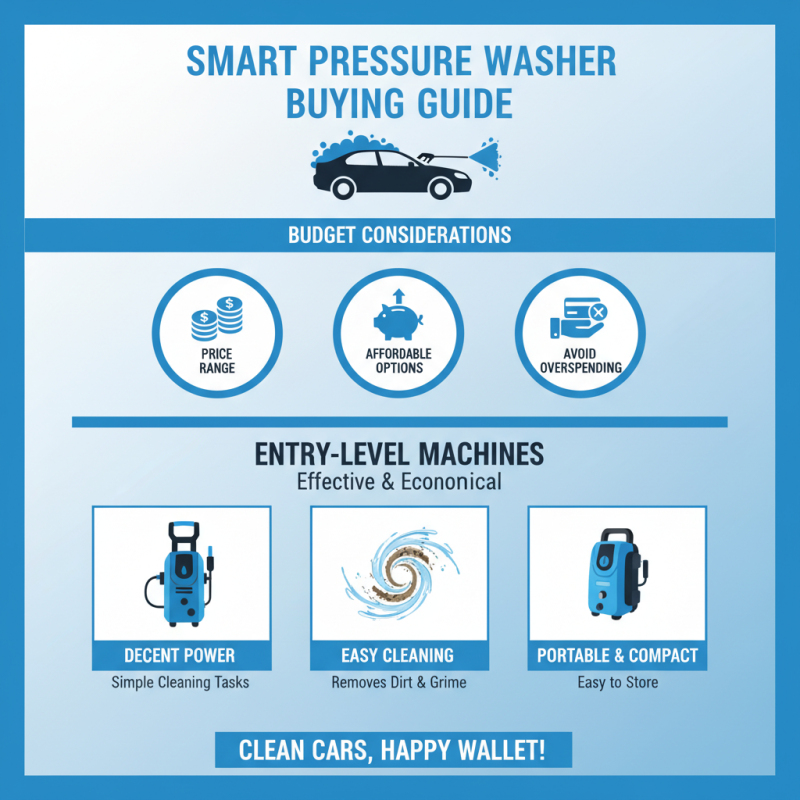
When choosing a pressure car wash machine, think about your budget first. There are options for every price range. If you’re on a tight budget, consider entry-level machines. They provide decent power for simple cleaning tasks. You can remove dirt and grime without breaking the bank. Many affordable models are lightweight, easy to maneuver, and store.
For those willing to invest a bit more, mid-range machines offer better performance. They come with extra features, such as adjustable pressure settings and various nozzles. This flexibility can help you tackle tougher jobs like removing stubborn stains. Additionally, these machines are often more durable, which might save you money in the long run.
High-end pressure car wash machines deliver professional cleaning results. They can handle any vehicle, including larger ones. However, remember that with more power comes more responsibility. These machines may require more maintenance and care. You’ll need to reflect on whether the investment is worth it for your needs. Ultimately, understanding your specific cleaning requirements will guide your choice.