2026 Best Automated Truck Wash Solutions and Tips for Success?
In the fast-evolving landscape of logistics, the importance of an efficient Automated Truck Wash cannot be overstated. Experts like James Carter, a renowned figure in the automated cleaning industry, highlight, "A clean fleet enhances operational efficiency." Indeed, a well-maintained fleet not only projects professionalism but also helps in maximizing vehicle lifespan.
The challenges faced by truck operators are numerous. Long waits at traditional washes can lead to delays in schedules. Automated Truck Wash solutions offer speed and convenience, but the initial investment can be daunting. Finding the right balance between cost and performance is essential. The wash system must cater to different truck sizes and types, ensuring thorough cleaning without damaging sensitive parts.
As operators look for solutions, they must consider not just technology but also operational tips for success. Regular maintenance of wash systems ensures optimal performance. Moreover, choosing eco-friendly options can appeal to environmentally-conscious companies. Reflection on these aspects is crucial for anyone in the trucking industry aiming for success in automated washing.
Overview of Automated Truck Wash Solutions Available in 2026
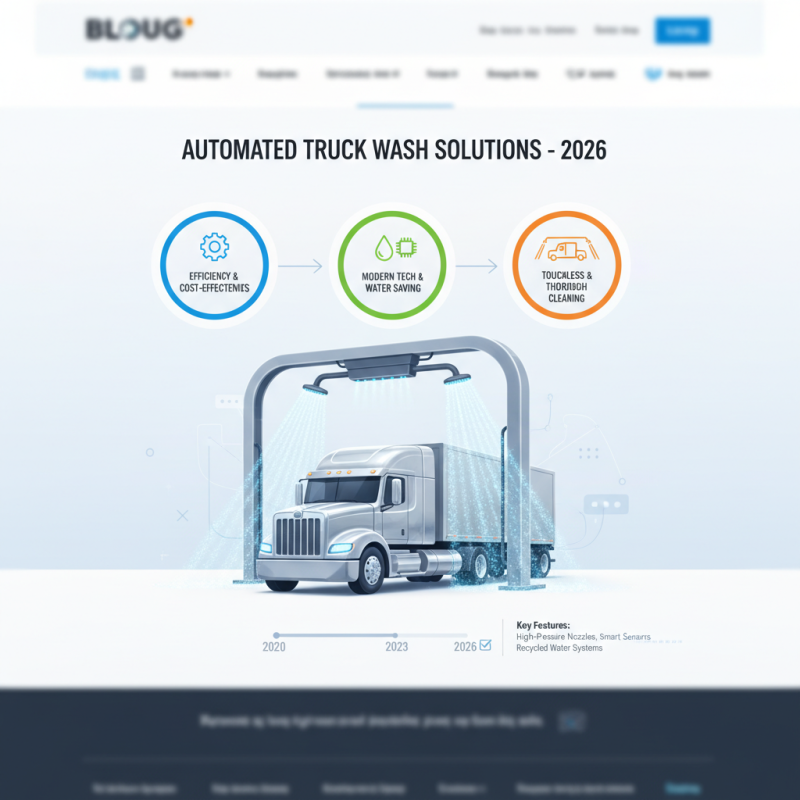
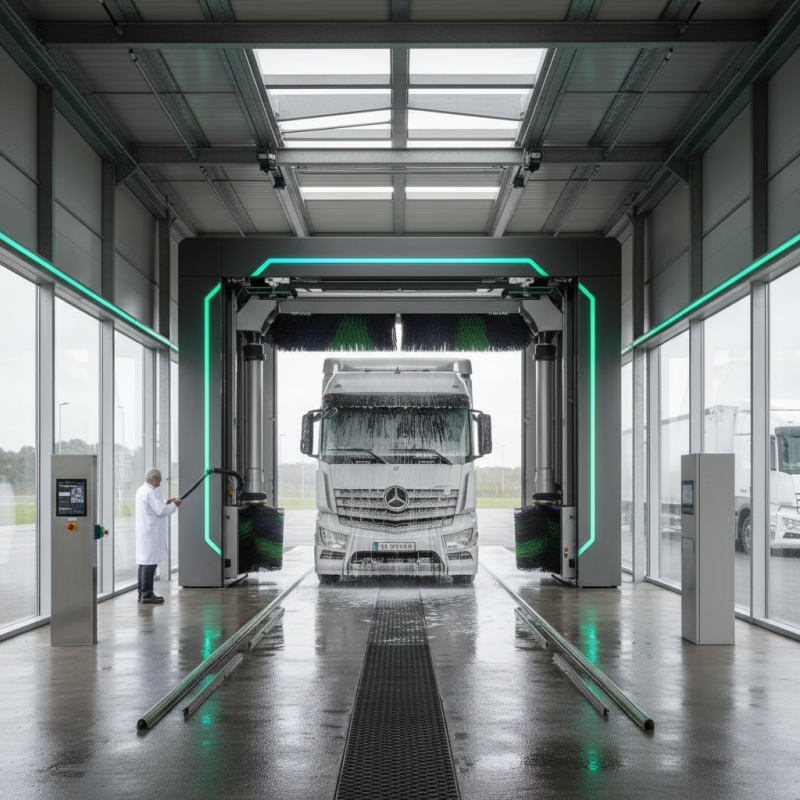
Automated truck wash solutions have advanced significantly by 2026. These systems offer efficiency and cost-effectiveness. They use modern technology to ensure thorough cleaning. Many systems now incorporate touchless washing methods. High-pressure nozzles and smart sensors play a crucial role. They reduce water usage and ensure thorough dirt removal.
However, businesses must carefully assess their needs. Selecting the right system can be overwhelming. Capacity, water reclamation, and energy consumption are essential considerations. Not all systems fit every operation. Some may struggle with larger trucks or heavy-duty mud. Maintenance and operation training also require attention. Insufficient training can lead to equipment mishaps.
Additionally, customer feedback should guide choices. Ignoring user experiences might result in regrets. Companies can benefit from seeking opinions from others in the industry. Other factors, like location and climate, may influence decisions. Not everyone considers these elements, leading to suboptimal choices. A well-thought-out plan can prevent costly mistakes. In the end, the right automated truck wash can boost productivity and enhance service quality.
Key Features to Consider When Choosing an Automated Truck Wash System
When selecting an automated truck wash system, understanding key features is vital. Efficiency is at the forefront. A study by the American Trucking Association suggests that a well-designed system can reduce water usage by 50%. This not only conserves resources but also lowers operational costs.
Another critical aspect is the automation of the cleaning process. Manual washes are often inconsistent. Sensors that detect the level of dirt can significantly enhance cleaning accuracy. This technology ensures that every truck gets the attention it deserves, improving the overall quality of service. However, not all systems are equipped with advanced technology.
User-friendly interfaces are essential as well. Staff must be able to operate the system with minimal training. A complex system may lead to downtime and frustration, impacting productivity. Additionally, consider maintenance requirements. Frequent breakdowns result in higher costs and can disrupt service. Investing in durable materials and reliable components can mitigate these issues, yet budgets may limit choices.
Establishing a balance between cost and functionality remains a challenge for many operators.
Step-by-Step Guide to Implementing an Automated Truck Wash
Implementing an automated truck wash system can be a game changer for your operations. Start by assessing your current washing methods. Identify their limitations, such as water usage and consistency. Consider space requirements for the new system. The layout must accommodate both inflow and outflow efficiently. You want to avoid bottlenecks, as they can cause downtime.
Next, involve your team in the planning phase. Their insights can help pinpoint challenges you might miss. Employees often have practical tips about workflow. Train staff early on the technology to boost comfort levels. Test various automated options through demos. A trial run can showcase potential issues before full-scale implementation.
Finally, set clear benchmarks for success. These could include wash quality, time savings, and cost reductions. Regularly evaluate and refine your processes. Be open to feedback; there will always be room for improvement. Don’t forget to track customer satisfaction. A clean truck reflects your brand’s commitment to quality. Making mistakes along the way is normal and can provide valuable lessons for future improvements.
2026 Best Automated Truck Wash Solutions
This bar chart illustrates the ratings of various dimensions for the best automated truck wash solutions in 2026. Each dimension represents important factors that can influence the success of implementing an automated truck wash system.
Tips for Maintaining Optimal Performance of Automated Truck Wash Systems
Maintaining optimal performance of automated truck wash systems is crucial for efficiency. Regular inspections can identify issues early. Rust and wear on equipment should be addressed promptly. This not only prolongs the life of the system but also ensures consistent wash quality.
Software updates may be overlooked. These updates enhance functionality and improve user experience. Operators should schedule routine checks, ensuring all components are in top shape. Neglect can lead to system failures at critical times. Parts like brushes and nozzles need replacements regularly for effective cleaning.
Training staff is equally important. They must understand the system's capabilities and limitations. Even minor errors can impact performance. Encourage feedback from operators to improve processes. Listening to their experiences can highlight areas that need improvement. Small adjustments can lead to significant enhancements in wash quality and efficiency.
2026 Best Automated Truck Wash Solutions and Tips for Success
| Solution Type |
Water Consumption (liters) |
Cycle Time (minutes) |
Cost (USD) |
Maintenance Frequency (Monthly) |
| Touchless Wash |
200 |
5 |
50,000 |
2 |
| Tunnel Wash |
300 |
7 |
100,000 |
3 |
| Roll-over Wash |
250 |
6 |
75,000 |
2 |
| Self-Serve Wash |
150 |
10 |
30,000 |
1 |
Cost-Effective Strategies for Marketing Your Truck Wash Business
Marketing your truck wash business effectively is crucial for attracting customers. Start by establishing a strong online presence. Use social media to showcase your services. Post before-and-after photos of trucks you’ve washed. Engaging visuals can draw attention. Don’t forget to respond to comments and messages promptly. This builds trust and encourages loyalty.
Consider local advertising strategies. Flyers in truck stops can reach potential customers directly. Collaborating with local businesses can create mutually beneficial partnerships. Offer special promotions or loyalty programs. These incentives can drive repeat business.
However, always review what works. Track the effectiveness of various campaigns. Not every strategy will yield results as expected. Adjust your approach based on real feedback.
Engaging with the trucking community could enhance your visibility. Attend local events or organize clean truck contests. Networking opens doors. However, ensure your budget allows for these initiatives. Marketing should not drain your finances. Experiment with different methods, but don't overlook basic principles. Consistency and authenticity are key.