Best Fully Automated Car Wash Systems in 2026?
In 2026, the demand for Fully Automated Car Wash systems is set to rise significantly. According to industry reports, the car wash market is projected to grow at a compound annual growth rate (CAGR) of 4.5%. This growth indicates a shift toward automation and convenience. Many consumers prefer quick and efficient wash options, leading to an increased focus on technology-driven solutions.
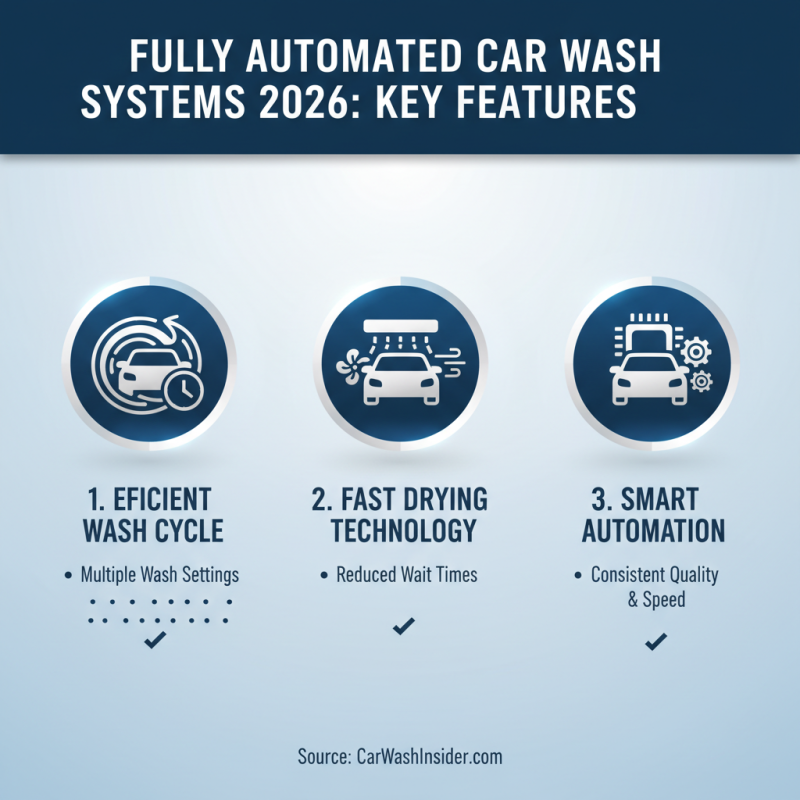
Fully Automated Car Wash systems promise consistent cleaning and reduced labor costs. Reports show that these systems can wash vehicles in under five minutes, ensuring minimal wait times for customers. However, there are challenges. Not all consumers trust automated systems for their vehicle care. Concerns about damage and inadequate cleaning remain prevalent.
Moreover, not every system on the market is equally effective. Some may struggle with various vehicle sizes or types. It's essential for consumers to research available options thoroughly. By 2026, the industry will need to address these concerns. Creating trust in Fully Automated Car Wash systems will be crucial for sustained growth. As technology advances, finding the perfect balance between automation and customer satisfaction will remain a key reflection point for the sector.
Emerging Trends in Fully Automated Car Wash Systems for 2026
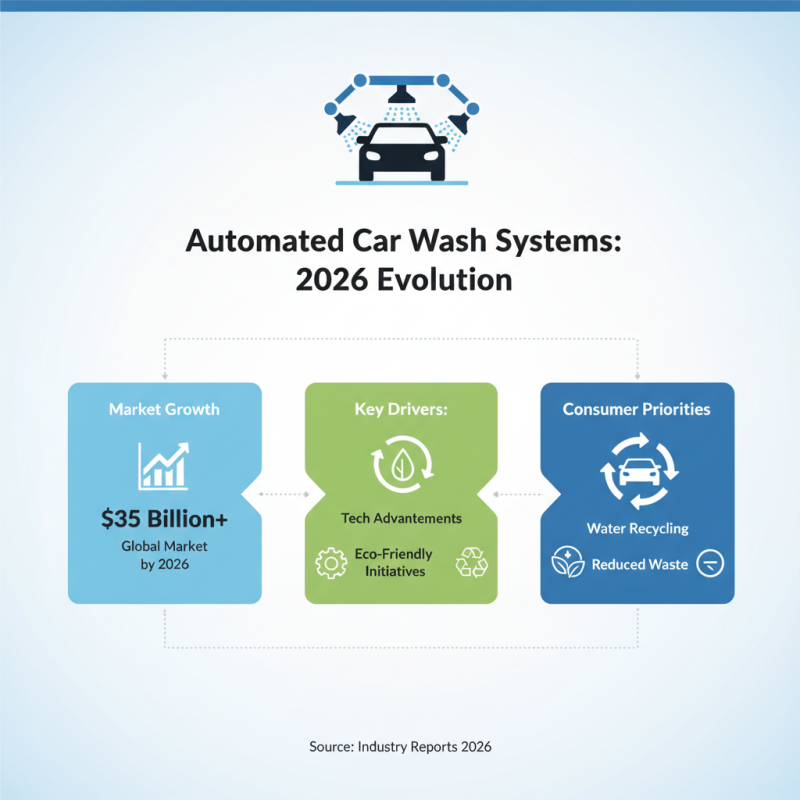
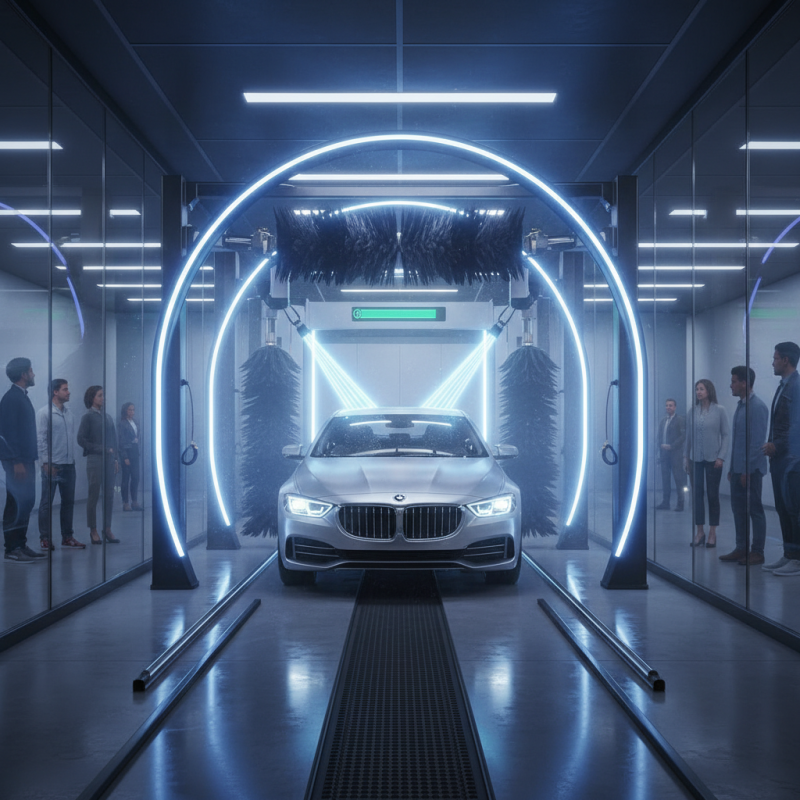
In 2026, the landscape of fully automated car wash systems is rapidly evolving. Industry reports indicate that the global car wash market will exceed USD 35 billion by the end of 2026. This growth is driven by advancements in technology and environmental initiatives. Consumers are increasingly prioritizing eco-friendly solutions. Many systems now utilize water recycling techniques to reduce waste.
Emerging trends highlight the integration of artificial intelligence in car wash systems. AI can optimize cleaning cycles, enhancing efficiency. Reports show that automated car washes reduce water use by up to 80% compared to traditional methods. However, there's a catch. Not all facilities adopt these advanced technologies, leaving some car washes behind.
Real-time monitoring is another feature gaining traction. Customers appreciate transparency about the cleaning process. Systems provide details on soaps and waxes used, building trust. Yet, inconsistent cleanliness remains a concern. Some automated systems fail to meet customer expectations. Balance between automation and quality is necessary. Addressing these issues is crucial for the future of the industry.
Comparative Analysis of Top Automated Car Wash Brands in 2026
The automated car wash industry is evolving rapidly. By 2026, many systems will offer advanced technology. Some reports predict growth in market size by over 30% in just five years. This indicates a strong demand for efficient and effective wash solutions.
Comparative analysis reveals varying performance among systems. Some systems excel in speed, completing washes in under 5 minutes. Others focus on high-quality results but may take longer. Efficiency is essential, yet some brands struggle with water usage, raising concerns about environmental impact. A balance between speed and sustainability is crucial.
Customer feedback highlights areas needing improvement. Noise levels are a common complaint, affecting the overall experience. Furthermore, maintenance issues can arise, leading to downtime. Addressing these flaws while enhancing functionality will dictate future success in this competitive market.
Best Fully Automated Car Wash Systems in 2026
| Feature |
Model A |
Model B |
Model C |
| Washing Time (min) |
5 |
7 |
6 |
| Cost per Wash ($) |
10 |
12 |
11 |
| Water Consumption (Gallons) |
50 |
55 |
52 |
| Number of Brushes |
3 |
5 |
4 |
| Drying Technology |
Air Blowers |
High Efficiency Fans |
Turbo Dry |
| Additional Services |
Underbody Wash |
Waxing |
Vacuum |
Environmental Impact and Sustainability of Automated Car Washes in 2026
The environmental impact of automated car washes in 2026 is a topic that demands attention. These systems use less water compared to traditional washing methods. A report from the Environmental Protection Agency (EPA) states that automated car washes consume approximately 15 gallons of water per vehicle, while driveway washing can use up to 60 gallons. This reduction is significant for conservation efforts.
However, not all automated car washes are equally sustainable. The chemicals used in cleaning products can be harmful if not properly managed. Many systems now incorporate biodegradable soaps. This shift is crucial for reducing harmful runoff that can affect local ecosystems. Tips for consumers include looking for car washes that are certified environmentally friendly.
Another concern is energy consumption. Automated systems are generally more energy-efficient than manual washing. Yet, they can still produce significant carbon emissions. The industry is working on integrating renewable energy sources into operations. As consumers, choosing solar-powered options helps drive the demand for greener technologies. Always inquire about the energy source of your local car wash. These small discussions can influence larger sustainability practices in the long run.
Environmental Impact of Automated Car Wash Systems in 2026
This chart illustrates the estimated environmental impact of fully automated car wash systems, focusing on water usage, energy consumption, and recyclable materials over the year 2026.
Future Innovations in Car Wash Technology: 2026 and Beyond
The future of car wash technology is exciting and rapidly evolving. In 2026, we can expect fully automated systems to enhance user experience. These systems will likely utilize advanced sensors and artificial intelligence. They will efficiently assess the vehicle's condition before washing. This means personalized care for every car, leading to improved cleanliness and satisfaction.
One area that needs reflection is the environmental impact of these technologies. Many fully automated systems will use less water and energy than manual wash methods. However, sustainable practices must remain a priority. The use of biodegradable detergents will still be crucial. Innovations must focus on reducing waste while maintaining cleaning power.
There will be opportunities for error in this burgeoning technology. Automated systems may misread a vehicle's surface or fail to detect dirt in some areas. Continuous improvements are needed to address such issues. Consumers may still feel hesitant about relying completely on machines for their vehicle care. Balancing efficiency with human oversight could provide a solution to these concerns.