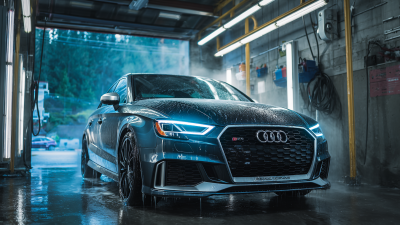
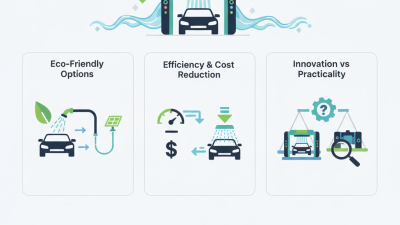
China Best Automated Car Wash Solutions for Global Buyers?
The rise of the Automated Car Wash industry is remarkable, especially in China. Experts predict significant growth due to increased vehicle ownership and a focus on convenience. Tom Anderson, a leading industry expert, has pointed out, "The future of car care lies in automation." This statement reflects the changing landscape of how we maintain our vehicles.
With urbanization and busy lifestyles, Automated Car Wash solutions are gaining popularity. Customers seek efficient and effective ways to keep their cars clean. Innovative technology plays a crucial role in enhancing the wash experience. However, quality control remains a challenge for many providers. Ensuring that every wash meets high standards is critical.
While many companies offer automated solutions, not all are created equal. Reliability and efficiency are essential. Some providers struggle with system management or customer satisfaction. As the market grows, addressing these issues is vital for success. The journey for global buyers in China’s Automated Car Wash sector promises exciting opportunities and potential hurdles.
China's Leading Automated Car Wash Technologies and Innovations
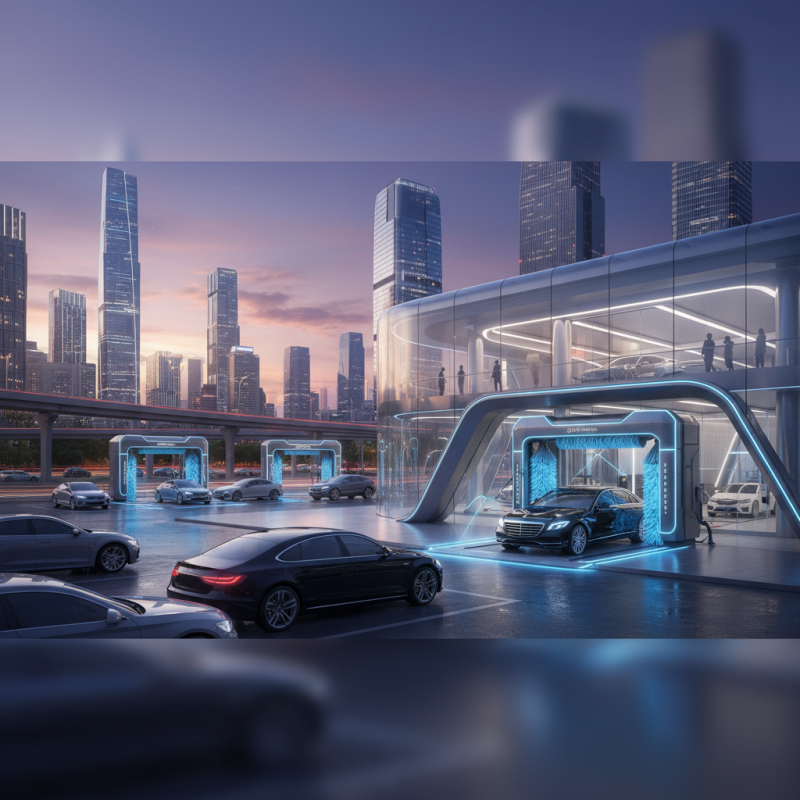
Automated car wash systems in China have seen significant innovations. Advanced technology integrates high-pressure rinsing, foam application, and drying functions. According to industry reports, the automated car wash market is expected to grow to $10 billion by 2025. The shift towards efficiency and environmental sustainability drives this growth.
China’s leading technologies focus on enhancing user experience and operational efficiency. Modern systems utilize AI to optimize wash cycles. They minimize water usage and reduce chemical waste, addressing environmental concerns. The integration of IoT technologies allows real-time data tracking, enhancing maintenance and service quality. However, not all systems meet the same standard. Some might struggle with reliability or user interface complexities, requiring careful assessment by buyers.
Tip: Prioritize systems with proven performance records. Research customer reviews and reliability metrics. Understanding usage patterns can lead to better decision-making. Additionally, ensure systems comply with local regulatory standards. Engaging with industry experts can provide valuable insights and prevent potential pitfalls during selection.
Key Features of Automated Car Wash Systems from China
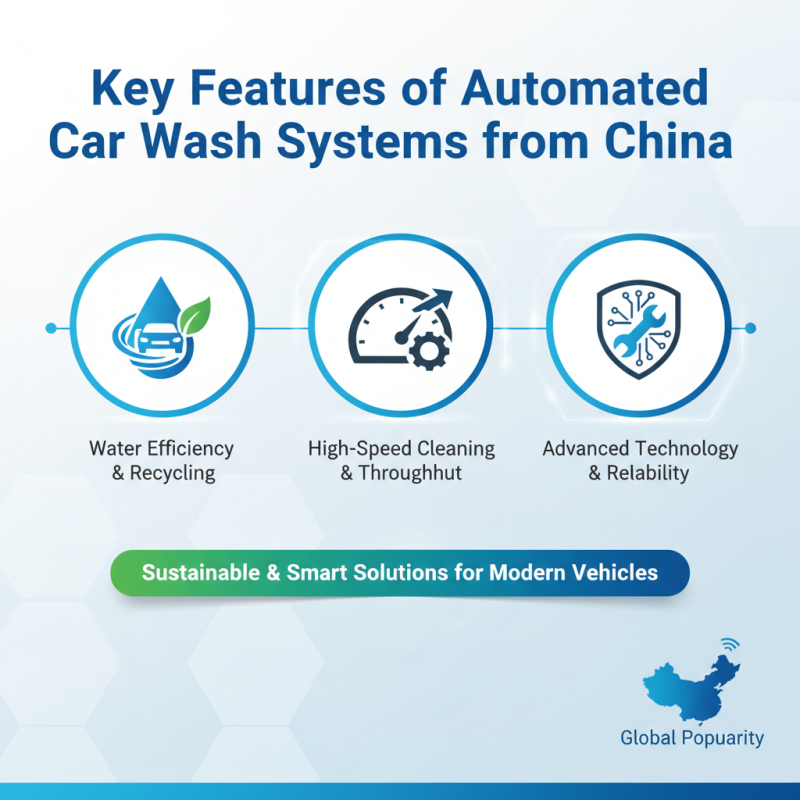
Automated car wash systems from China have gained popularity worldwide, especially for their advanced features. One key aspect is their efficiency. These systems are designed to reduce water consumption while maintaining high cleaning standards. Many models utilize recyclable water systems, ensuring minimal waste and promoting sustainability.
Another notable feature is the use of technology. Modern automated car washes incorporate touchless cleaning methods and soft cloths. This helps prevent scratches and damage to vehicles. The machines often include sensors that detect vehicle size and shape, allowing for a tailored wash experience. This blend of innovation and care is appealing to many car owners.
However, it is essential to consider the user experience. Some customers report occasional mechanical issues, such as belt misalignment or sensor malfunctions. Regular maintenance is crucial for optimal performance. It’s vital for operators to stay on top of these issues to avoid disruptions. Understanding user needs will contribute to improved system reliability and effectiveness over time.
Popular Chinese Brands in the Global Automated Car Wash Market
The automated car wash market has seen significant growth in recent years. Many Chinese brands are emerging as leaders in this sector. They offer innovative solutions that cater to various customer needs. These brands have unique designs that often prioritize efficiency and user experience.
One notable aspect of Chinese automated car wash solutions is their adaptability. They can be customized to fit different environments and business scales. This flexibility is essential for global buyers looking to enter diverse markets. Additionally, technological advancements in these systems enhance their reliability. However, some devices might require regular maintenance, which buyers should consider.
While many brands gain popularity, not all maintain consistent quality. Buyers must conduct thorough research before committing to a particular solution. Reviews and case studies can provide insights into real-world performance. As the market evolves, Chinese brands continue to refine their offerings, making them notable players on the global stage.
Cost-Effectiveness and Efficiency of Chinese Car Wash Solutions
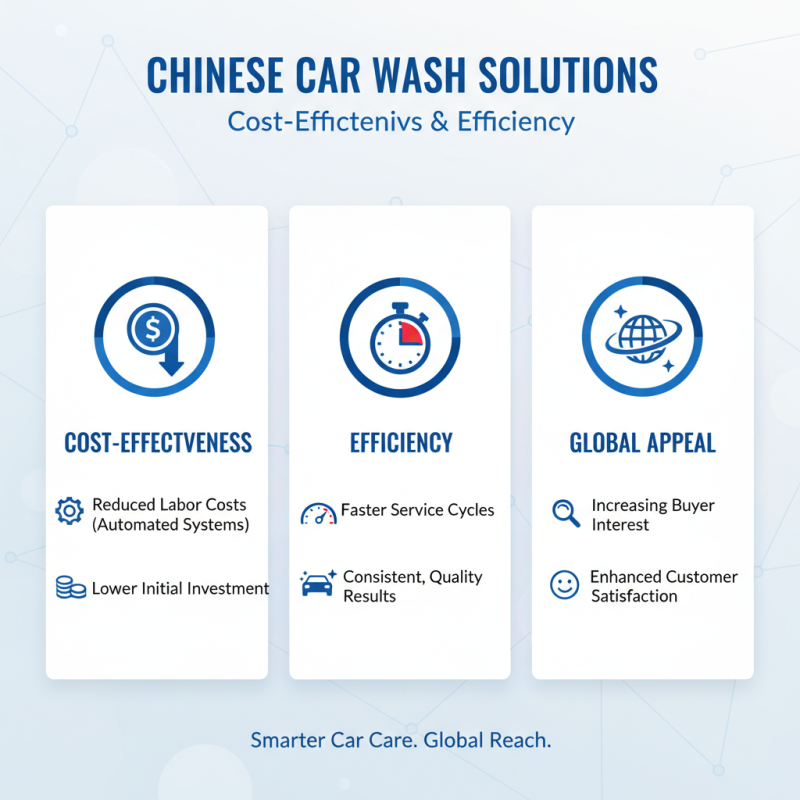
Chinese car wash solutions are quickly gaining attention for their cost-effectiveness and efficiency. Many global buyers are exploring these options. The automated systems often reduce labor costs significantly. They also deliver consistent results, which can enhance customer satisfaction.
With advanced technology, Chinese car wash machines can handle various vehicle sizes. This flexibility is attractive for diverse markets. However, buyers should consider the initial investment. Some systems may have higher upfront costs, impacting overall savings. Regular maintenance is essential for optimal performance. Neglecting upkeep can lead to inefficiencies over time.
The efficiency of these systems is evident in their water-saving features. They often use recycled water, minimizing waste. However, users must be cautious about local regulations on water usage. It’s crucial to align solutions with environmental standards. This alignment ensures sustainability while benefiting from efficiency.
Case Studies: Success Stories of Chinese Automated Car Washes Worldwide
Automated car washes from China are gaining traction across the globe. Many international buyers seek innovative solutions that enhance efficiency. These systems combine technology and design to streamline the car cleaning process. However, not all implementations succeed. Some buyers report challenges with maintenance and user training. Such issues require a thoughtful approach.
In a successful case study, a Chinese automated car wash system was deployed in Europe. It featured advanced sensor technology that ensured thorough cleaning. Customers appreciated the quick service and eco-friendly options. Nevertheless, train staff effectively to manage the equipment proved difficult. Misunderstandings about system operations led to downtime.
In Asia, another installation showcased attractive, user-friendly interfaces. It empowered customers to select their preferred wash options. This flexibility improved user experience, yet staff struggled initially. Addressing these issues highlighted the importance of learning from other markets. Each success comes with unique challenges, prompting buyers to consider local needs closely.
China's Automated Car Wash Solutions: Global Reach and Success