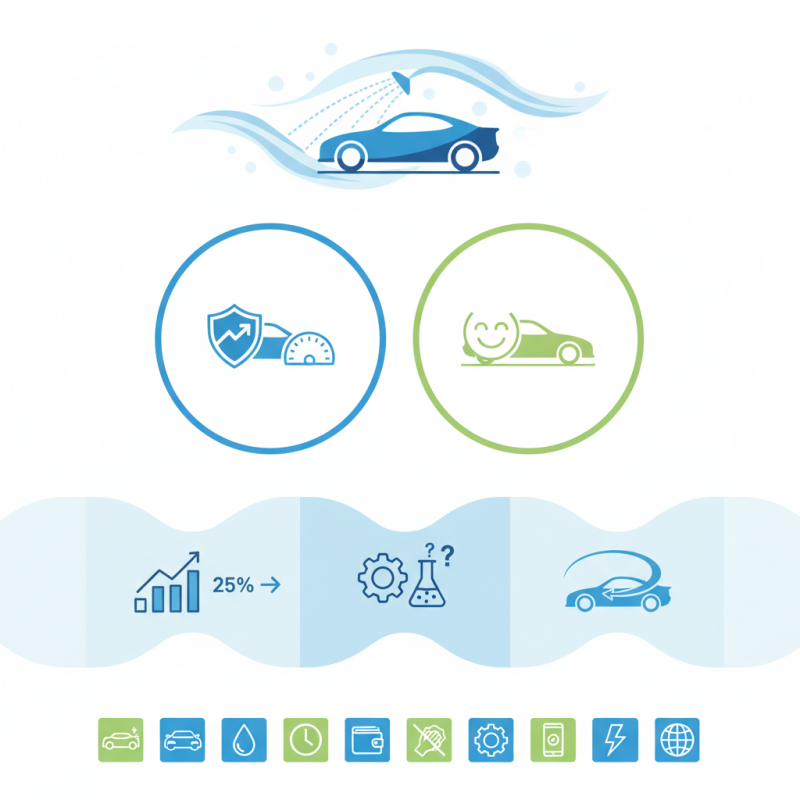
The automotive care industry continues to evolve, and one of the standout innovations is the Touchless Car Wash Machine. According to a report by the International Car Wash Association, the use of touchless systems has increased by 25% in the last five years. This surge highlights the growing preference for efficient and safe vehicle cleaning solutions.
Industry expert Dr. Sarah Thompson emphasizes, "Touchless Car Wash Machines not only protect the vehicle's finish but also enhance the overall customer experience." This underscores the importance of modern technology in car maintenance.
While many users enjoy the advantages of touchless washing, some studies suggest that these systems may leave behind residual dirt if not used properly. Optimizing wash cycles and chemical applications remains a challenge. As we explore the benefits of Touchless Car Wash Machines, it's essential to address these concerns while acknowledging their potential for revolutionizing how we care for our vehicles.
Touchless car wash technology offers several advantages for vehicle maintenance. One major benefit is the reduced risk of scratches. Traditional washes often use brushes that can leave swirl marks. With touchless systems, high-pressure sprays effectively remove dirt without direct contact. This ensures a gentle cleaning process, preserving your vehicle’s finish.
Another advantage is the convenience of touchless washing. You can maintain your car's appearance quickly and easily, without the need for manual scrubbing. The automated system takes care of everything. Just drive in and let the technology do its work. However, some users notice that stubborn grime may require extra passes, making it less effective at times. Adjusting expectations is key.
Additionally, touchless car washes use less water than traditional methods. This not only saves resources but also aligns with eco-friendly practices. Yet, it’s important to note that efficiency can vary based on machine quality. Regular maintenance of the washing machines is vital for optimal performance. Reflecting on these factors can lead to a better understanding of how to keep your vehicle in top shape.
Touchless car wash machines offer a convenient way to keep your vehicle clean while reducing the risk of scratches and swirls. These machines utilize high-pressure water jets and specialized cleaning agents to remove dirt without physical contact. According to industry research, nearly 70% of car enthusiasts prefer touchless washes for maintaining paint quality.
By avoiding traditional brushes, touchless systems minimize the chances of micro-abrasions on the car's surface. Scratches and swirls often occur from bristles dragging dirt across paint. A survey by the International Carwash Association shows that vehicles washed by touchless methods see a significant reduction in surface imperfections. However, some may argue that touchless washes are less effective at removing stubborn grime.
**Tips:** Regular maintenance of touchless machines is essential for optimal performance. Clean and replace nozzles that may clog with debris. Additionally, always select the right detergent for the best results. Achieving a spotless finish sometimes requires multiple washes.
Some users report that touchless washes don’t always get rid of all dirt. This can lead to frustrations for those with heavily soiled vehicles. Experimenting with different washing cycles can help find the best approach for your car’s needs. Each vehicle may react differently to touchless washes, so reflect on your experiences to enhance your car care routine.
Touchless car wash systems are gaining popularity for their environmental benefits. These systems use high-pressure water jets and specialized detergents. They eliminate the need for brushes that can scratch your vehicle. This not only protects the paint but also reduces the need for costly repairs.
Touchless washes use less water compared to traditional methods. Often, they recycle water, making them eco-friendly. Fewer chemicals are needed, too. Harmful substances are kept out of storm drains. You can wash your car without leaving a trace behind.
However, there are concerns to consider. Some users worry about cleanliness when no physical scrubbing occurs. While dirt and grime are removed, stubborn spots may linger. Finding the right balance is essential. Careful attention to the wash process can lead to improvement.
| Benefit | Description | Environmental Impact |
|---|---|---|
| Gentle Cleaning | Uses high-pressure water jets, reducing the risk of scratches. | Less water wastage compared to traditional washing methods. |
| Water Efficiency | Utilizes advanced technology to minimize water usage. | Conserves valuable water resources. |
| Chemical-Free Options | Many systems offer eco-friendly cleaning solutions. | Reduces harmful runoff into the environment. |
| Convenience | Quick and easy process, reducing time spent on car cleaning. | Encourages more frequent washing, maintaining cleaner cars and less pollution. |
| Improved Visibility | Removes dirt and grime from windows, enhancing driver safety. | Promotes safe driving conditions, potentially reducing accidents. |
| Prevention of Corrosion | Removes salt and contaminants that can cause corrosion. | Prolongs vehicle lifespan, contributing to less waste. |
| Touchless Technology | Minimizes physical contact with the vehicle surface. | Reduces wear and tear, promoting sustainability. |
| Uniform Cleaning | Provides consistent cleaning across all vehicle surfaces. | Ensures thorough washing, reducing pollution from dirt runoff. |
| Accessibility | Ideal for all vehicle types, including larger vehicles. | Promotes car washing practices for all, enhancing community cleanliness. |
| Enhanced Customer Experience | Quick service and efficient results improve customer satisfaction. | Encourages eco-friendly consumer behavior. |
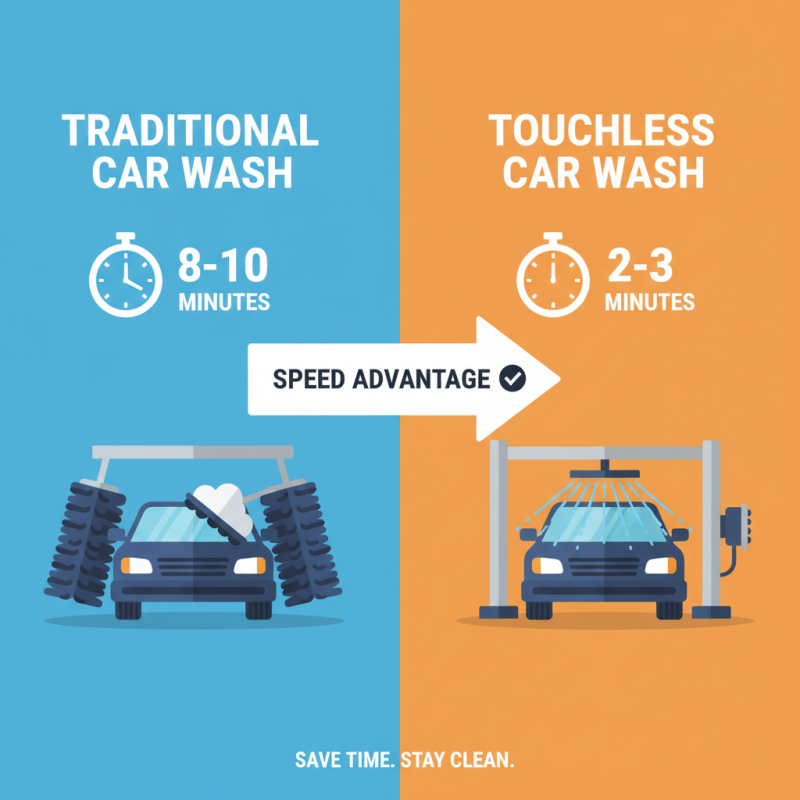
Touchless car wash machines offer an impressive speed advantage. Unlike traditional washes, which take several minutes to scrub surfaces, touchless systems can clean vehicles in just a few minutes. This is particularly beneficial for busy individuals who need to save time.
The technology behind touchless washes relies on high-pressure water jets and specialized cleaning solutions. These jets can easily dislodge dirt and grime without the need for physical contact. It is efficient yet gentle, reducing the risk of scratches. Still, some dirt might remain. It's good to make inspecting your vehicle part of your routine.
Tips: Regular washes keep your car looking good. Even if it's fast, don’t skip the details. Look for areas where grime might accumulate, especially around tires and undercarriages. Taking an extra moment to closely check your vehicle could prevent long-term damage.
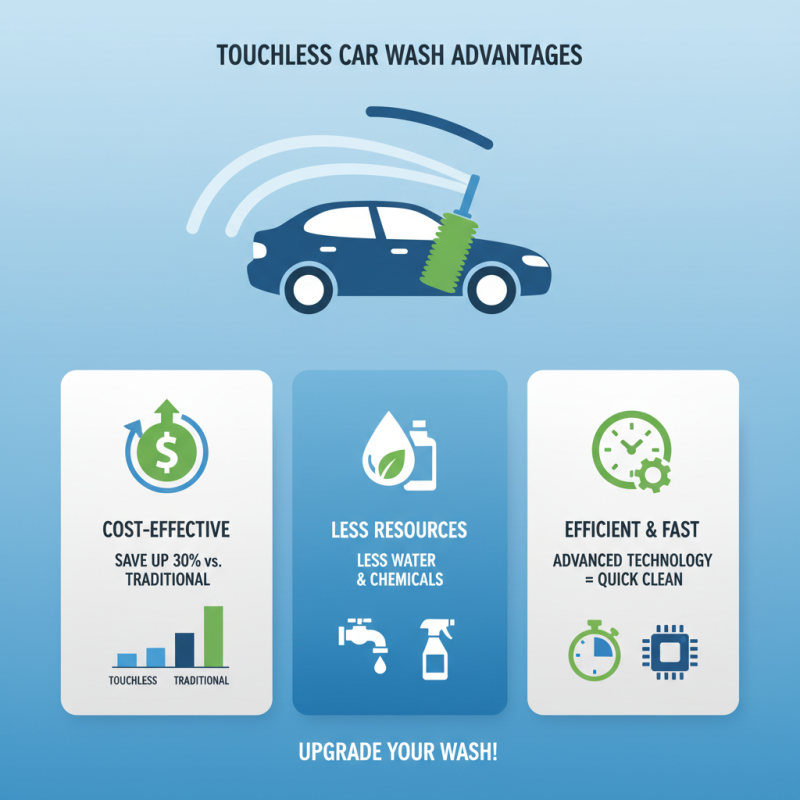
Touchless car wash machines are gaining popularity among vehicle owners for many reasons. One significant advantage is their cost-effectiveness. According to a recent industry report, touchless washes can save consumers up to 30% compared to traditional methods. This is because they require less water and fewer cleaning agents. Moreover, many touchless systems use advanced technology to ensure efficient cleaning, cutting down both time and costs.
While touchless car wash machines may seem beneficial, they do have limitations that vehicle owners should consider. For instance, some reports indicate that while these machines prevent scratches, they may not remove stubborn dirt as effectively. In some cases, additional hand washing might still be necessary. Regular touchless washes can also lead to residue buildup if not properly maintained. Vehicle owners should be aware of these potential drawbacks to make informed choices.
Additionally, the upfront cost of installing a touchless machine can be high. A typical system can range from $30,000 to $100,000. For small business owners, this can be a significant investment. However, the long-term savings on water usage and labor can offset the initial expense. It's essential to analyze the return on investment before committing to such technology.