What is an Automatic Car Washing Machine and How Does it Work?
Automatic Car Washing Machines have become an integral part of vehicle maintenance. In recent years, the global car wash industry has experienced significant growth. According to IBISWorld, the car wash industry reached a revenue of $15 billion in the United States alone in 2023. This rise is largely attributed to the growing number of vehicles on the road and consumer demand for convenience and efficiency.
These machines utilize advanced technology to deliver exceptional cleaning results. They operate through a combination of brushes, high-pressure jets, and cleaning agents. However, not all Automatic Car Washing Machines perform equally. Some machines may overlook hard-to-reach areas, leaving dirt and grime behind. Users often express frustration when they find spots that were not properly cleaned.
As the industry continues to evolve, innovations are on the horizon. Newer models promise improved cleaning efficiency and eco-friendliness. Despite this, certain challenges linger. Issues such as equipment maintenance and varying consumer expectations remain relevant concerns. The journey of the Automatic Car Washing Machine is not without obstacles, offering a reality check for both manufacturers and users alike.
What is an Automatic Car Washing Machine?
An automatic car washing machine is a modern marvel in vehicle maintenance. It is designed to clean cars efficiently and quickly. Typically, these machines use a combination of water, soap, and advanced technology to remove dirt and grime. Many options are available, ranging from touchless systems to rotating brushes. According to industry data, over 60% of car owners prefer automatic washing to manual washing for its convenience.
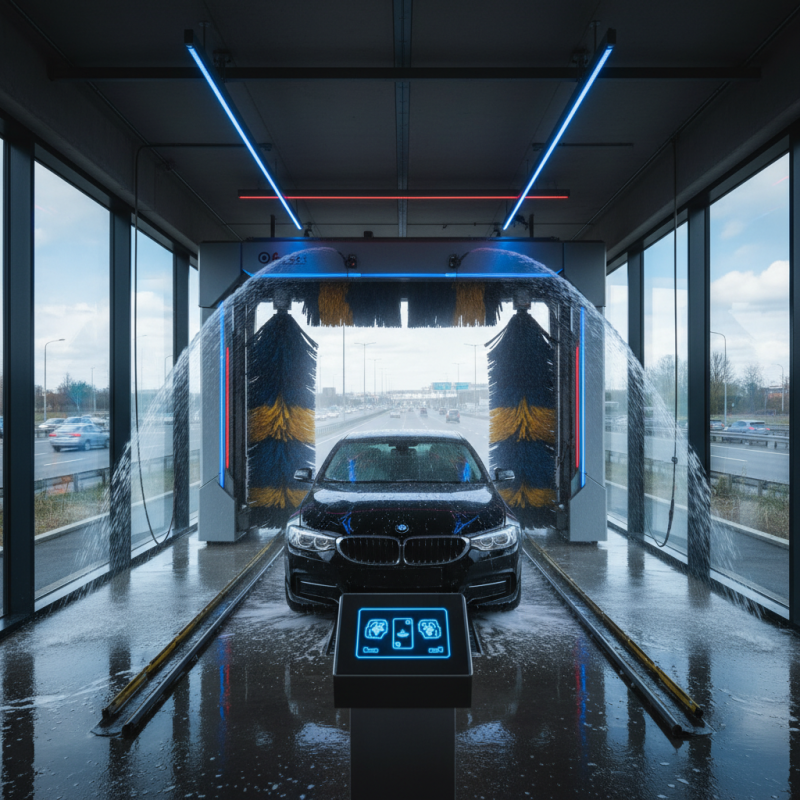
The process begins when a vehicle enters the wash bay. Sensors detect the vehicle's size and shape. Then, high-pressure water jets spray the car. Next, soft cloths or foam brushes apply detergent. The rinse cycle removes soap, leaving a clean finish. Research shows that automatic washes can save between 50% and 75% more water than manual washing.
Tip: To maintain your vehicle’s exterior, schedule regular washes. It helps prevent paint damage from long-term dirt exposure.
Some consumers may overlook the potential downsides. Certain machines may cause scratches if not properly maintained. Additionally, some systems rely heavily on chemicals. It's wise to choose washes using eco-friendly products. Regularly checking the machine's maintenance records can help ensure a quality wash. This awareness can improve your car washing experience, leading to better vehicle care.
Components of an Automatic Car Washing Machine
An automatic car washing machine is a sophisticated device designed to clean vehicles efficiently. Understanding its components is crucial to grasp how it operates. Generally, an automatic car wash includes brushes, high-pressure water jets, and drying systems. Each part plays a vital role in delivering a thorough wash.
The brushes are often made from soft materials to prevent scratching the car's surface. High-pressure water jets spray detergent and rinse off dirt. According to a recent industry report, about 80% of car washes now use advanced touchless systems. These systems reduce the risk of paint damage and improve efficiency. However, some users report that they can miss certain spots, which may cause dissatisfaction.
Drying systems are another essential component. They use powerful blowers to remove excess water swiftly. While this is effective, some customers find water spots remain. This inconsistency highlights the need for improvement in design. Overall, the automatic car washing machine's components work together, but there are flaws that still need consideration. The industry is evolving to meet customer expectations.
The Different Types of Automatic Car Wash Systems
Automatic car washing machines are designed to simplify the car cleaning process. There are several types of automatic car wash systems, each serving different needs. The major categories include touchless systems, brush systems, and hybrid systems. Touchless washes use high-pressure water jets and detergents to clean the surface. This minimizes contact with the vehicle, helping to prevent scratches. A report from IBISWorld suggests that the touchless car wash segment has grown by 13% annually due to these benefits.
Brush systems, on the other hand, incorporate soft or stiff bristles to scrub the car. They are more effective in removing stubborn dirt. However, there are concerns about potential paint damage. Many users question the safety of brush washes. An estimated 30% of car owners express concern over scratches caused by brushes. Hybrid systems combine elements of both techniques, aiming for efficiency and safety. They offer versatility, but may not deliver the best results in every situation.
Efficiency is often a key factor in choosing a washing system. A typical automatic car wash can clean a vehicle in under 5 minutes, compared to a manual wash which may take up to 30 minutes. Yet, the quality of clean can vary significantly. Not all systems are created equal. Users might find some washes leave dirt behind. Technological advancements continue to evolve, but the industry must address these inconsistencies to enhance customer satisfaction.
Types of Automatic Car Wash Systems
This chart illustrates the different types of automatic car wash systems and their market share as of 2023. The data reflects the growing interest in touchless and soft-cloth washing methods.
How Automatic Car Wash Machines Operate Efficiently
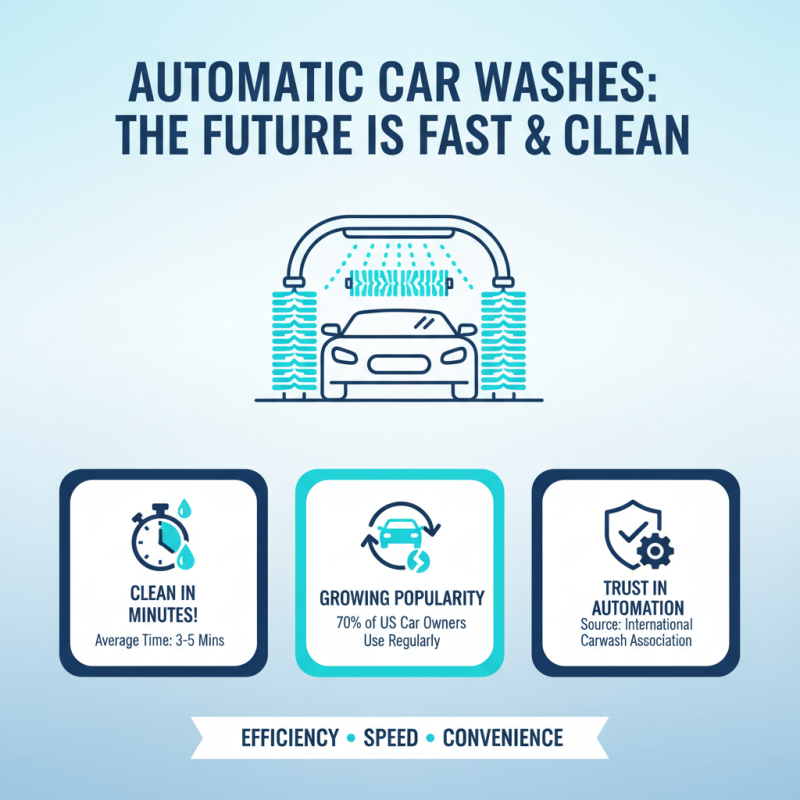
Automatic car wash machines are becoming increasingly popular due to their efficiency. These systems can clean a vehicle in just a few minutes. According to the International Carwash Association, around 70% of U.S. car owners regularly use car wash services. This high number reflects a growing trust in automation for vehicle care.
These machines utilize a combination of brushes, soaps, and water jets. Many models use advanced technology to adjust cleaning cycles based on the vehicle’s condition. For instance, some machines can detect dirt levels and modify water pressure accordingly. However, not all machines are the same. Some may not deliver the same cleaning power, leaving behind stubborn grime. This inconsistency can be frustrating for users expecting a thorough clean.
Despite their advancements, automatic car washes face challenges. For example, they often struggle with certain dirt types or areas like wheel wells. Many users report that while the exterior shines, the interior may still require manual cleaning. Additionally, over time, some brushes can become worn out, leading to subpar results. Owners must frequently assess maintenance needs. In the end, while automatic car wash machines are efficient, they are not a complete replacement for traditional hand washing.
Benefits of Using Automatic Car Washing Machines Over Manual Washing
Automatic car washing machines have become increasingly popular, and the benefits of using them over manual washing are compelling. A report by the International Car Wash Association states that customers prefer automatic washes for their efficiency. In fact, about 70% of car owners opt for automated solutions when cleaning their vehicles.
One significant advantage is time-saving. An automatic wash usually takes less than 10 minutes. In contrast, manual washing can consume over an hour. The convenience here is unmistakable. Additionally, automatic washes often use advanced technology, including soft cloths and specialized cleaning agents, which help protect the car's finish. However, not all automatic systems are perfect. Some may overlook areas like wheel wells, leading to inadequate cleaning.
Moreover, the environmental aspect is noteworthy. Some automatic systems recycle water, reducing overall consumption. According to the Green Car Wash Initiative, using an automatic wash can save up to 50 gallons of water per wash compared to traditional methods. Nevertheless, the effectiveness can vary. In some instances, users might find spots or streaks if the system malfunctions. It's essential for operators to maintain equipment to ensure peak performance.
What is an Automatic Car Washing Machine and How Does it Work? - Benefits of Using Automatic Car Washing Machines Over Manual Washing
| Feature |
Automatic Car Washing Machine |
Manual Washing |
| Efficiency |
High - Can wash multiple cars in a short period |
Low - Takes longer for each vehicle |
| Water Usage |
More efficient water recycling |
Generally less efficient, more waste |
| Quality of Wash |
Consistent results with automated processes |
Variable based on the individual's skill |
| Labor Requirements |
Minimal human intervention needed |
Requires skilled labor |
| Environmental Impact |
Reduced pollution with modern technology |
Can have higher negative impacts |
| Cost per Wash |
Usually lower due to automation |
Can be higher due to labor costs |