2026 Top Auto Car Wash Equipment Buyers Guide
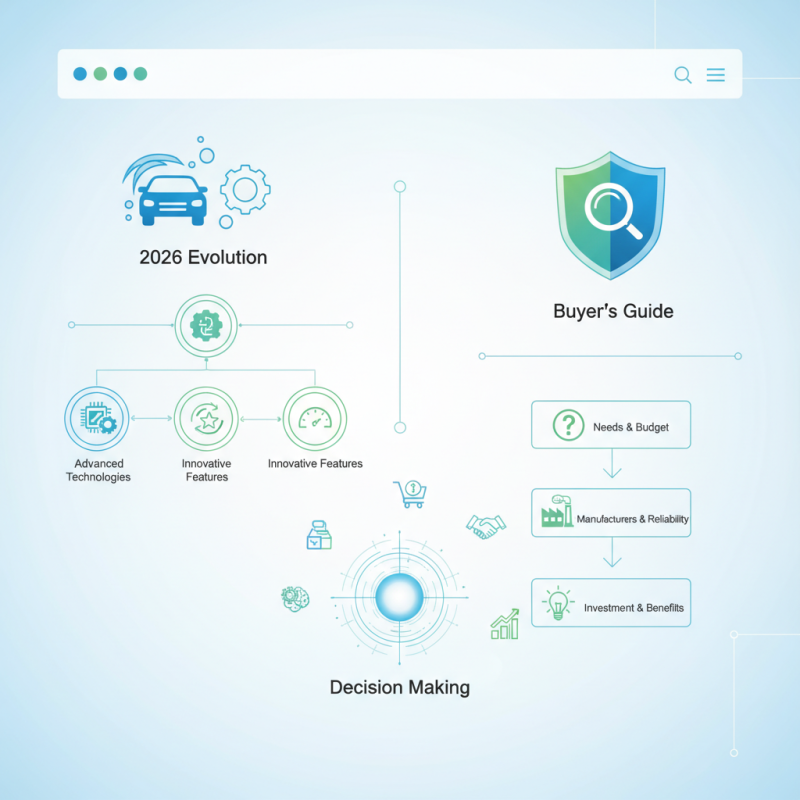
In 2026, the car wash industry is evolving rapidly. Selecting the right Auto Car Wash Equipment is crucial for success. With advanced technologies and innovative features, equipment choices can significantly impact efficiency and service quality.
Buyers must navigate numerous options. Effective decision-making relies on understanding specific needs and budget constraints. Not all equipment delivers equal performance. Therefore, it's essential to evaluate the reliability and reputation of manufacturers.
While exploring, potential buyers might feel overwhelmed. The market is saturated with choices, and discerning quality from hype can be challenging. This guide aims to empower buyers with insights on selecting the best Auto Car Wash Equipment, ensuring investments lead to long-term benefits.
Types of Auto Car Wash Equipment Available in 2026
In 2026, the auto car wash industry offers a variety of equipment options. Each type caters to different needs and preferences.
Automatic car washes dominate. They use advanced technology to clean vehicles efficiently.
Conveyor systems transport the car through several cleaning stages. Brushes, sprays, and dryers work in unison.
These systems save time and labor.
Touchless car washes are gaining traction. They rely on high-pressure water and powerful detergents.
No brushes mean less risk of scratches. However, some users find the cleaning is not as thorough as traditional methods.
It's crucial for buyers to weigh the pros and cons of each type.
Portable pressure washers also appeal to those who value flexibility.
They can be used at home or in mobile wash setups.
Purchasing decisions often hinge on cost and maintenance.
Some equipment requires a significant initial investment. Regular upkeep can become a hidden expense.
Buyers must ask, "Is this worth it?" Understanding your unique needs is vital.
Think about frequency of use. Consider the types of vehicles. Each factor influences the ideal choice.
By evaluating these aspects carefully, you can make a more informed decision.
Key Features to Consider When Buying Car Wash Equipment
When considering car wash equipment, key features play a vital role. Assessing
water efficiency is crucial. Many modern machines use high-pressure
systems that minimize water wastage. This is not only eco-friendly but also cost-effective. Additionally, look for
equipment that offers adjustable settings. Customization allows you to cater to various vehicles.
Flexibility can enhance customer satisfaction.
Another important consideration is the machine’s durability. Investing in high-quality materials can reduce
maintenance costs over time. Furthermore, easy access to parts can simplify repairs. You may also want to explore
different cleaning methods. Foam brushes, touchless systems, and high-pressure
washers all provide unique benefits. Each has its pros and cons, so weigh them carefully.
Safety features should not be overlooked. Ensure the equipment has emergency shut-off options for
operator protection. Proper signage and clear operational guidelines can also enhance safety. As you gather
information, remember that not all sources are reliable. Seek proven advice from industry experts. Experiences
shared by other users can also help inform your choices.
Top Brands and Manufacturers for Auto Car Wash Solutions
Choosing the right auto car wash equipment is crucial for both efficiency and customer satisfaction. In the industry, experts note that the market for car wash equipment is expected to grow significantly. Research from IBISWorld indicates an annual growth rate of 4.7% in the car wash services sector. This growth drives demand for innovative and reliable equipment.
Not all brands deliver the same level of quality. When selecting equipment, consider the longevity and maintenance requirements. Studies show that many car wash owners spend up to 20% of their revenue on maintenance. This number highlights the need for durable and dependable machines. Finding a brand with a proven track record can mitigate unexpected costs.
Research also reveals that consumer preferences shape equipment design. A significant percentage of car owners prefer eco-friendly wash options. This trend encourages brands to develop water-efficient systems. However, not all suppliers meet these rising eco-standards. It’s essential to vet manufacturers thoroughly to ensure they align with your business goals.
2026 Top Auto Car Wash Equipment Sales Performance
Cost Analysis: Budgeting for Car Wash Equipment Purchases
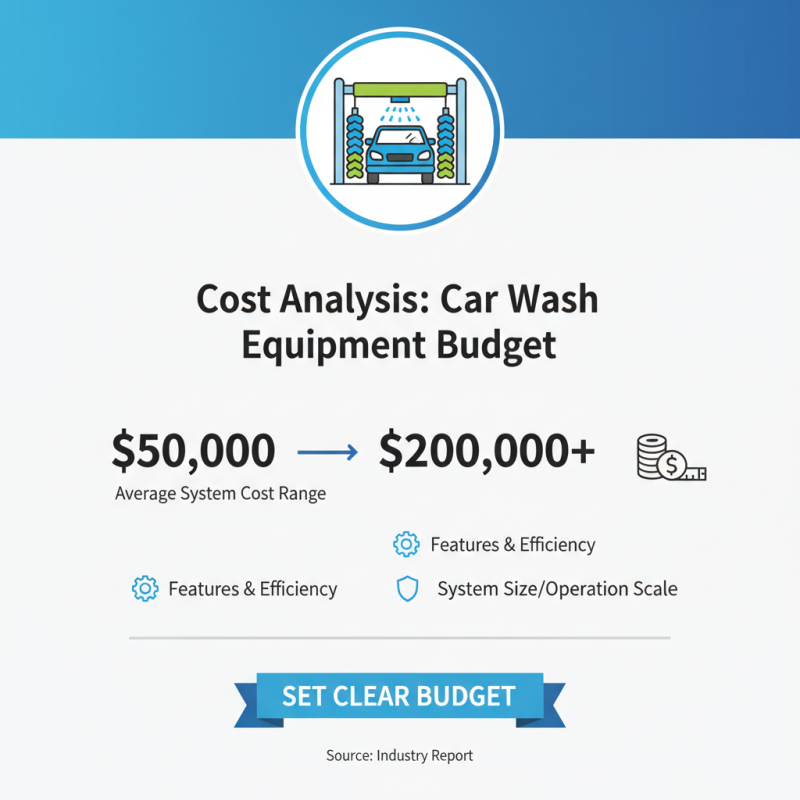
When budgeting for car wash equipment purchases, it's essential to analyze costs carefully. A recent report indicates that the average price for a standard car wash system can range from $50,000 to over $200,000. This variation depends on the system’s features, efficiency levels, and brand reputation. Depending on the size of your operation, establishing a clear budget is crucial.
Tips: Always account for installation and maintenance costs. These can add another 15-20% to your initial investment. Moreover, researching local market trends can provide insights into potential revenue and help define your budget.
Understand that financing options are often available. Many buyers choose leasing over outright purchases to maintain cash flow. However, each financing choice has long-term implications. Consider looking into industry-specific financing providers for better terms. Your decision should align with your overall business goals and growth forecasts.
Finally, don’t overlook ongoing operational costs. Monthly utility bills, water usage, and software for managing your car wash can significantly impact profitability. Clear visibility into all expenses can prevent financial strain later.
Maintenance Tips for Prolonging the Life of Car Wash Equipment
Maintaining car wash equipment is crucial for efficiency and longevity. Regular service reduces downtime and enhances performance. Studies show routine inspections can extend equipment life by up to 30%. Many operators overlook simple maintenance tasks, leading to costly repairs.
Investing in quality lubricants is essential. Proper lubrication minimizes friction and wear. Additionally, cleaning filters and nozzles regularly ensures optimal water flow. Statistics reveal that clean nozzles can improve wash quality by nearly 25%. Frequent checks of hoses and connections can prevent leaks, saving water and energy.
Operators often underestimate the power of training staff on equipment care. Educated employees can spot issues early. Surprisingly, 40% of equipment failures arise from user error. Regular workshops could significantly decrease these failures. Addressing maintenance head-on can lead to better performance and longer service life for your investment.